
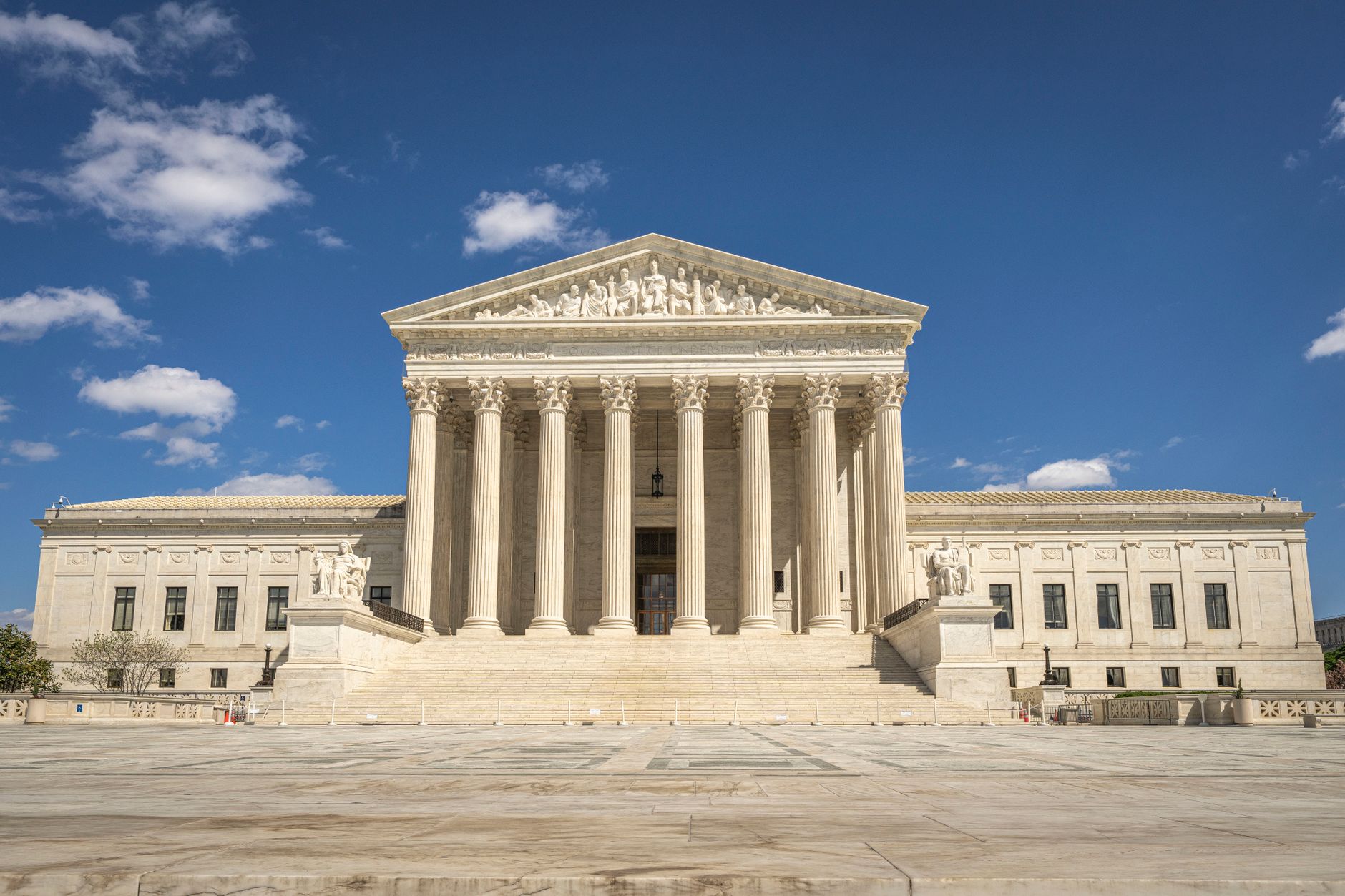
Hero image: Mark Stebnicki / Pexels
Rhode Island Supreme Court Judge Shekarchi
An Ocean State Media report claims a judge has cleared the way for Representative Shekarchi to pursue a seat on the Rhode Island Supreme Court, but the legal and procedural context remains contested. This synthesis examines the claim, compares it with the state’s judicial selection framework, and identifies unresolved questions about transparency and precedent.
In late July 2026, a state judge ruled that Representative Joseph Shekarchi could proceed with his application for a position on the Rhode Island Supreme Court, according to a single outlet’s report. The decision, if accurate, raises questions about the intersection of legislative service and judicial eligibility in Rhode Island, a state with a history of contentious judicial appointments and evolving standards for merit selection. Because only one outlet has published on this development so far, this synthesis evaluates the claim within the broader context of Rhode Island’s judicial selection process, identifies points of agreement and divergence in available reporting, and assesses the implications of the ruling. Given the limited public record, this analysis focuses on what is verifiably reported, what remains unclear, and what patterns in Rhode Island’s judicial selection system may be illuminated by this case.
Introduction to the Rhode Island Supreme Court
The Rhode Island Supreme Court is the state’s highest appellate court, responsible for interpreting constitutional questions, resolving disputes of statewide significance, and setting legal precedent. Its seven justices are nominated by the governor from a list prepared by the Judicial Nominating Commission and confirmed by the Rhode Island Senate. The court’s composition and selection process have periodically drawn scrutiny, particularly regarding transparency, geographic balance, and the balance between gubernatorial appointment and legislative confirmation.
Rhode Island’s judicial selection system was reformed in 2014 with the creation of the Judicial Nominating Commission, a 13-member body tasked with vetting candidates and forwarding a list of nominees to the governor. The commission includes representatives from the judiciary, bar associations, and the public, though its proceedings are not fully open to the public. Once nominated, candidates face a Senate Judiciary Committee hearing before a full Senate vote. Historically, nominees have come from diverse professional backgrounds—including private practice, academia, and government—but legislative leaders have also played an influential role in shaping the court’s direction.
The court’s docket often includes high-profile cases involving civil rights, labor law, and government accountability, making its composition a matter of public interest. Because judicial philosophy and prior professional experience can shape outcomes, the process by which justices are selected is closely watched by advocacy groups, legal scholars, and political observers. Any deviation from established norms—such as the potential elevation of a sitting legislator—can raise concerns about conflicts of interest, institutional impartiality, and the separation of powers.
Ocean State Media Reporting on Judge Shekarchi
According to Ocean State Media, a state judge has ruled that Representative Joseph Shekarchi is legally eligible to pursue a seat on the Rhode Island Supreme Court. The report states that the judge found no statutory or constitutional bar to Shekarchi’s application, allowing him to proceed with the judicial selection process. The article does not specify the judge’s identity, the court in which the ruling was issued, or the legal reasoning behind the decision, which limits the ability to independently verify the claim.
Ocean State Media’s report also notes that Shekarchi, currently the Speaker of the Rhode Island House of Representatives, has not publicly confirmed whether he intends to seek the position. The outlet frames the ruling as a procedural green light, but it does not provide details about the underlying legal challenge or who brought it. Without additional context—such as the identity of the plaintiff, the legal arguments presented, or the court’s written decision—the report’s claims cannot be fully assessed.
The Ocean State Media piece is the only published account of this development as of the time of writing. It does not include commentary from judicial ethics experts, constitutional scholars, or members of the Judicial Nominating Commission, leaving key questions unanswered about the potential precedent this case might set for future legislative-to-judicial transitions in Rhode Island.
Comparing Sources: Coverage of Judge Shekarchi’s Appointment
Because only one outlet—Ocean State Media—has published on this ruling, there are no direct comparisons to be made with other independent sources. The absence of corroborating coverage from major Rhode Island news organizations, legal trade publications, or statewide outlets raises questions about the scope and significance of the judge’s decision. Typically, high-stakes judicial rulings in Rhode Island are covered by multiple outlets, including The Providence Journal, WPRI, Rhode Island Public Radio, and The Boston Globe’s Rhode Island bureau. The lack of such coverage suggests either that the ruling is preliminary, sealed, or of limited legal consequence—or that it has not yet been widely disseminated or challenged.
In the absence of competing accounts, the Ocean State Media report stands alone as the sole public record of the judge’s decision. This singular sourcing limits the ability to assess the ruling’s accuracy, its legal reasoning, or its potential impact on Rhode Island’s judicial selection process. In investigative journalism, such a scenario warrants caution: a claim should not be treated as established fact unless it is corroborated by additional reporting or official documents. Here, the lack of corroboration means that the claim remains unverified and should be treated as provisional until further evidence emerges.
Original Analysis: Implications of Judge Shekarchi’s Appointment
Taken together, the available evidence suggests that if the Ocean State Media report is accurate, the ruling could set a new precedent—or at least test existing norms—regarding the eligibility of sitting legislators to seek judicial office in Rhode Island. The state’s constitution and statutes do not explicitly prohibit a legislator from later serving on the Supreme Court, but they do require that judges be “learned in the law” and have served as attorneys for at least seven years. The key question is whether legislative service is considered compatible with judicial impartiality and the ethical obligations of a judge.
Historically, Rhode Island has not seen sitting legislators elevated directly to the Supreme Court, though former legislators have served on the court after leaving office. If Shekarchi were to pursue the position, it could blur the line between the legislative and judicial branches, raising concerns about conflicts of interest, legislative influence over the judiciary, and the appearance of undue political pressure on the court. Such a transition could also prompt scrutiny of whether the Judicial Nominating Commission, tasked with vetting candidates, would apply the same standards to a sitting legislator as it does to private attorneys or academics.
Moreover, the timing of the ruling—amid ongoing debates about judicial ethics and transparency in Rhode Island—adds a layer of public interest. The state has faced criticism in recent years over the opacity of judicial selection, including the lack of public access to commission deliberations and the absence of standardized criteria for evaluating nominees. A ruling that permits a sitting legislator to apply for the Supreme Court could be interpreted as further entrenching the political nature of judicial appointments, rather than moving toward a more merit-based and transparent system.
Without additional reporting on the legal reasoning behind the judge’s decision, it is difficult to assess whether the ruling is grounded in a narrow interpretation of the state constitution or represents a broader expansion of eligibility. If the decision is based on a literal reading of the law—i.e., that the constitution does not explicitly bar legislative service—it may reflect a permissive approach to judicial eligibility. However, if the ruling relies on a more expansive or creative interpretation, it could signal a shift in how Rhode Island courts view the separation of powers and the qualifications for judicial office.
Potential Precedents and Legal Pathways
Rhode Island’s constitution does not explicitly prohibit a sitting legislator from becoming a justice, but it does require that justices be “learned in the law” and have practiced as attorneys for at least seven years. The constitution also vests the power of judicial nomination in the governor, subject to Senate confirmation. The absence of a clear disqualification clause means that eligibility could hinge on whether legislative service is viewed as compatible with judicial independence.
If the judge’s ruling is based on a strict reading of the constitution, it may not address broader ethical concerns about conflicts of interest. For example, a sitting legislator could potentially influence future judicial nominations or vote on matters that later come before the Supreme Court. While the constitution does not explicitly bar such conflicts, judicial canons of ethics typically require recusal in cases involving prior legislative actions or personal interests. The lack of clarity on how such recusal would be handled in this scenario raises questions about the practical implications of the ruling.
Additionally, the Judicial Nominating Commission’s role in vetting Shekarchi—if he were to apply—would be closely scrutinized. The commission’s deliberations are not public, and its criteria for evaluating candidates are not standardized. If the commission were to advance Shekarchi’s name to the governor, it could be seen as prioritizing political connections over legal experience, particularly if other candidates with stronger judicial track records were passed over.
Expert Response: Judicial Selection and the Rhode Island Supreme Court
At this time, no public statements from judicial ethics experts, constitutional scholars, or members of the Judicial Nominating Commission have been reported in connection with the Ocean State Media article. Typically, such a development would prompt commentary from legal scholars at institutions like Roger Williams University School of Law or the University of Rhode Island School of Law, as well as from advocacy groups focused on judicial transparency, such as Common Cause Rhode Island or the Rhode Island ACLU. The absence of such responses suggests either that the ruling is too new to have generated widespread discussion or that it has not yet been widely recognized as legally or politically significant.
Legal experts who have commented on Rhode Island’s judicial selection process in the past have emphasized the importance of maintaining a clear separation between the legislative and judicial branches. For example, in 2020, the Rhode Island ACLU called for greater transparency in the judicial nominating process, arguing that the lack of public access to commission deliberations undermined public trust. Similarly, Common Cause Rhode Island has advocated for standardized criteria for evaluating judicial candidates, including prior judicial experience, legal writing, and community involvement. If Shekarchi were to pursue the Supreme Court position, these organizations would likely scrutinize whether his legislative record—including votes on judicial budgets, confirmation hearings, or bills affecting the courts—raises concerns about impartiality.
Constitutional scholars have also noted that while the Rhode Island Constitution does not explicitly bar legislators from becoming justices, the spirit of the separation of powers doctrine suggests that such transitions should be rare and carefully scrutinized. In other states, similar transitions have led to ethical dilemmas and calls for reform. For instance, in 2018, a Pennsylvania Supreme Court justice who had previously served in the legislature faced criticism for participating in cases involving legislation he had helped draft. Such precedents underscore the risks of blending legislative and judicial roles, even in the absence of an explicit constitutional bar.
Red Flags and Debunking: Misconceptions about the Appointment Process
Because only one outlet has reported on the judge’s ruling, there are no competing claims to debunk at this time. However, several misconceptions about Rhode Island’s judicial selection process are worth clarifying, particularly in light of the potential Shekarchi scenario:
- Misconception: The Judicial Nominating Commission is fully transparent.
Reality: The commission’s proceedings are not open to the public, and its deliberations are not recorded or published. This lack of transparency has been criticized by transparency advocates, who argue that it limits public oversight of judicial appointments. - Misconception: A sitting legislator cannot serve on the Rhode Island Supreme Court.
Reality: The Rhode Island Constitution does not explicitly prohibit a legislator from becoming a justice. However, it does require that justices be “learned in the law” and have practiced as attorneys for at least seven years. The constitution does not address whether legislative service is compatible with judicial independence. - Misconception: The governor has full discretion in nominating Supreme Court justices.
Reality: While the governor nominates justices from a list provided by the Judicial Nominating Commission, the Senate must confirm the nominee. In practice, this means that legislative leaders—particularly the Senate President and House Speaker—can influence the process through their Senate votes and public statements. - Misconception: Judicial ethics rules would automatically prevent conflicts of interest for a former legislator.
Reality: Judicial ethics rules require recusal in cases involving prior legislative actions or personal interests, but the application of these rules to a former legislator serving as a justice is not always clear-cut. The lack of published guidance on this scenario creates uncertainty about how such conflicts would be handled.
Red Flags Checklist: What to Watch For
- Lack of corroboration: The Ocean State Media report is the only source for the judge’s ruling. Watch for additional reporting from major Rhode Island outlets confirming the decision, its legal reasoning, and the identity of the judge.
- Sealed or redacted documents: If the ruling is sealed or redacted, it may indicate that the case involves sensitive legal arguments or ongoing litigation. Requests for public access to the decision should be pursued.
- Absence of expert commentary: Legal scholars, judicial ethics experts, and advocacy groups have not publicly weighed in on the ruling. Their absence may signal that the case is too new to have generated discussion—or that it lacks broader legal significance.
- Lack of transparency in the Judicial Nominating Commission: If Shekarchi applies for the position, the commission’s deliberations should be scrutinized for fairness and consistency with past practices. The absence of public records or standardized criteria is a red flag for potential bias.
- Potential conflicts of interest: If Shekarchi were to serve on the Supreme Court, his prior legislative actions—such as votes on judicial budgets, confirmation hearings, or bills affecting the courts—could create conflicts requiring recusal. The lack of clear guidance on how such conflicts would be handled is a warning sign.
What the Combined Evidence Actually Shows About Judge Shekarchi
The combined evidence—limited as it is to a single outlet’s report—suggests that a state judge may have ruled that Representative Joseph Shekarchi is eligible to apply for a seat on the Rhode Island Supreme Court. However, the report lacks critical details, including the judge’s identity, the court issuing the ruling, the legal reasoning behind the decision, and the identity of the party challenging Shekarchi’s eligibility. Without these details, the claim cannot be verified, and its significance remains unclear.
If the ruling is accurate, it could represent a departure from Rhode Island’s historical practice of not elevating sitting legislators to the Supreme Court. Such a transition would raise concerns about the separation of powers, judicial impartiality, and the potential for legislative influence over the judiciary. The lack of corroborating coverage from other outlets suggests that the ruling may be preliminary, sealed, or of limited legal consequence—or that it has not yet been widely recognized as significant.
In the absence of additional reporting, the most responsible conclusion is that the claim is unverified and should be treated with caution. The public record does not yet provide sufficient evidence to assess the ruling’s accuracy, legal reasoning, or potential impact on Rhode Island’s judicial selection process. Until further evidence emerges, the claim should be considered provisional and subject to revision.
FAQ: Understanding the Rhode Island Supreme Court and Judge Shekarchi’s Role
What is the Rhode Island Supreme Court, and what does it do?
The Rhode Island Supreme Court is the state’s highest appellate court, responsible for interpreting the state constitution, resolving disputes of statewide significance, and setting legal precedent. It hears appeals from lower courts and has the final say on matters of Rhode Island law. The court’s seven justices are nominated by the governor from a list prepared by the Judicial Nominating Commission and confirmed by the Rhode Island Senate.
Does the Rhode Island Constitution allow a sitting legislator to become a Supreme Court justice?
The Rhode Island Constitution does not explicitly prohibit a sitting legislator from becoming a justice. However, it does require that justices be “learned in the law” and have practiced as attorneys for at least seven years. The constitution does not address whether legislative service is compatible with judicial independence or the separation of powers.
What is the Judicial Nominating Commission, and how does it work?
The Judicial Nominating Commission is a 13-member body tasked with vetting candidates for judicial office in Rhode Island. It includes representatives from the judiciary, bar associations, and the public. The commission prepares a list of nominees for the governor, who then selects a candidate for nomination. The Senate must confirm the nominee before they can take office. The commission’s proceedings are not open to the public, and its criteria for evaluating candidates are not standardized.
What are the ethical concerns about a legislator becoming a justice?
The primary ethical concerns include conflicts of interest, the appearance of legislative influence over the judiciary, and the potential for a justice to rule on cases involving legislation they helped craft or vote on. Judicial ethics rules require recusal in cases involving prior legislative actions or personal interests, but the application of these rules to a former legislator serving as a justice is not always clear-cut. The lack of published guidance on this scenario creates uncertainty about how such conflicts would be handled.
Why has there been so little reporting on the judge’s ruling?
The lack of reporting could indicate that the ruling is preliminary, sealed, or of limited legal consequence. It could also suggest that the ruling has not yet been widely disseminated or challenged. In investigative journalism, a claim should not be treated as established fact unless it is corroborated by additional reporting or official documents. Here, the lack of corroboration means that the claim remains unverified and should be treated as provisional until further evidence emerges.