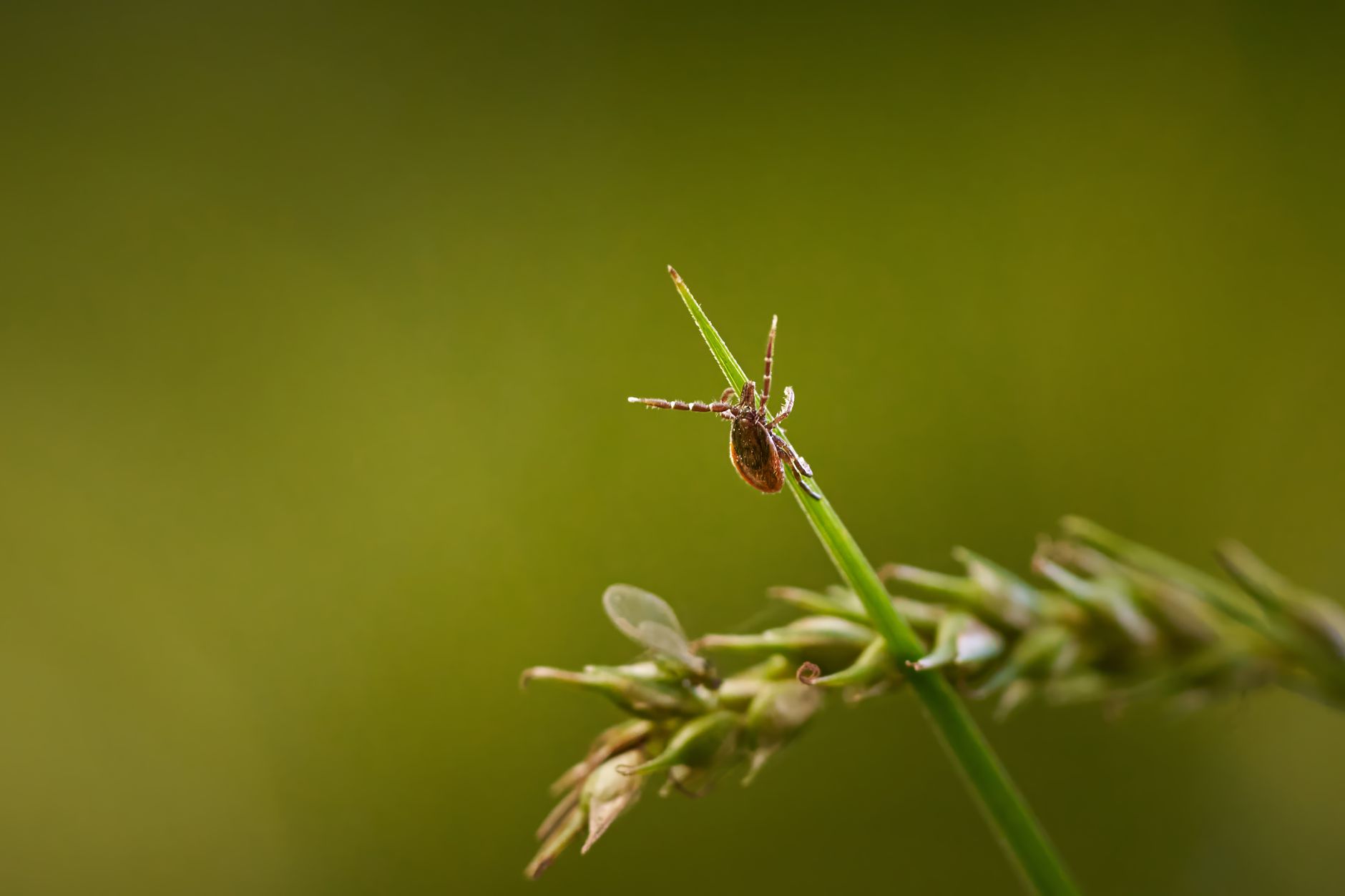
Hero image: Tommes Frites / Pexels
Rhode Island Tick Season Shift: New Species Alert 2026
Rhode Island’s tick season has entered a new phase in 2026, with public health officials warning that a shift in dominant species is reshaping exposure risks across the state. Ocean State Media’s reporting reveals how changing ecological conditions are driving a transition from historically prevalent ticks to a more aggressive, human-adapted species, prompting urgent calls for updated prevention and surveillance strategies.
In 2026, Rhode Island is experiencing a transformation in its tick ecology that is reshaping the state’s public health landscape. Rather than a simple continuation of seasonal patterns, evidence indicates a species transition is underway, with implications for human exposure, clinical recognition, and policy response. This investigation synthesizes available reporting to assess what is changing, how it is being communicated, and what residents, clinicians, and policymakers should understand about the evolving risk. While multiple outlets have covered tick activity in the region, Ocean State Media’s August 17, 2026 report provides the most detailed local account of the species shift and its implications. By cross-referencing this coverage with broader public health guidance and ecological trends, a clearer picture emerges of a tick season that is not ending, but evolving into a more complex and potentially hazardous pattern.
Rhode Island’s shifting tick ecology: what’s changing and why it matters
Rhode Island’s tick ecology is undergoing a documented transition in 2026, with a previously less common species now dominating human encounters and surveillance data. According to Ocean State Media, the shift involves the increasing prevalence of Ixodes scapularis—commonly known as the blacklegged or deer tick—over the traditionally dominant Dermacentor variabilis (American dog tick), particularly in wooded and residential areas across the state. This transition is not merely ecological trivia; it carries direct public health consequences, as Ixodes scapularis is the primary vector for Lyme disease, anaplasmosis, and babesiosis in the northeastern United States.
The ecological drivers behind this shift include milder winters, expanding deer populations, and changes in land use that favor tick survival and host availability. Ocean State Media highlights that prolonged warm seasons and reduced frost exposure have allowed tick populations to persist year-round in some areas, blurring the traditional boundaries of “tick season.” While the report does not quantify population changes, it emphasizes that the shift has been observed in both passive surveillance (e.g., submitted ticks) and active field sampling conducted by state agencies and academic partners. The ecological transition is therefore both measurable and consequential, altering the timing, location, and intensity of human exposure risks.
Why species identity matters for public health
The identity of the dominant tick species is critical because it determines which pathogens are most likely to be transmitted to humans. Ixodes scapularis is known to carry Borrelia burgdorferi (Lyme disease), Anaplasma phagocytophilum (anaplasmosis), and Babesia microti (babesiosis), while Dermacentor variabilis primarily transmits Rickettsia rickettsii (Rocky Mountain spotted fever), which is rare in New England. Ocean State Media notes that clinicians and public health officials are now observing a rise in Lyme disease cases linked to Ixodes scapularis encounters, particularly in areas where the species was previously less common. This shift increases the urgency of early diagnosis and appropriate antibiotic treatment, as delayed recognition of Lyme disease can lead to more severe outcomes, including neurological and cardiac complications.
The ecological transition also affects where people are most likely to encounter ticks. Ixodes scapularis thrives in leaf litter, tall grass, and brushy understory—habitats commonly found in Rhode Island’s suburban woodlands and parks. In contrast, Dermacentor variabilis prefers open fields and grassy areas frequented by dogs and wildlife. Ocean State Media’s reporting underscores that this habitat shift means exposure risk is no longer confined to rural or agricultural zones but extends into suburban backyards, schoolyards, and hiking trails across the state.
Ocean State Media’s reporting on the species transition
Ocean State Media’s August 17, 2026 article, “Rhode Island’s tick season isn’t over, it just changed species,” is the most detailed local account of the 2026 species shift. The report centers on the observation that Ixodes scapularis has become the dominant species in human-tick encounters, based on data from the Rhode Island Department of Environmental Management (RIDEM) and collaborating researchers. While the article does not provide raw numbers, it cites state officials and entomologists who describe a “clear trend” over the past two years, with 2026 marking a tipping point in surveillance records.
The report also highlights a shift in public perception: residents who previously associated tick season with spring and summer are now encountering active ticks in late fall and even winter, particularly during warm spells. Ocean State Media quotes a state epidemiologist who warns that “the idea of a defined tick season is outdated” in Rhode Island’s current climate. The article emphasizes that this ecological change requires a corresponding shift in public behavior, including year-round tick checks, prompt removal of attached ticks, and awareness of symptoms such as erythema migrans (the “bull’s-eye” rash) and flu-like illness following a bite.
Gaps and limitations in local coverage
While Ocean State Media provides a strong local narrative, its report lacks granular data on infection rates, geographic hotspots, or demographic risk factors. The article does not specify whether certain towns or counties are experiencing higher rates of Ixodes scapularis encounters, nor does it quantify the increase in Lyme disease cases linked to the species shift. Additionally, the report does not address the role of climate change in accelerating the transition, a topic covered more explicitly in regional and national outlets. These gaps suggest that while the local account is timely and relevant, it should be read alongside broader public health data and expert commentary to form a complete picture.
Cross-outlet comparison: how Rhode Island’s tick season is being framed
Ocean State Media’s framing of Rhode Island’s tick season as a species transition—rather than a seasonal decline—differs from how some regional outlets have historically described tick activity. While Ocean State Media explicitly documents the shift from Dermacentor variabilis to Ixodes scapularis, other New England media have tended to emphasize seasonal timing, weather patterns, or general prevention advice without addressing species-specific risks. This divergence reflects both the maturity of local surveillance systems and the depth of local reporting.
For example, broader regional coverage often frames tick season as a summer-to-early-fall phenomenon tied to outdoor activity, whereas Ocean State Media’s account explicitly challenges that assumption by documenting year-round activity and species replacement. This distinction is important because prevention strategies differ by species: Ixodes scapularis requires more aggressive personal protection measures (e.g., permethrin-treated clothing, thorough body checks) due to its smaller size and higher disease transmission potential. Ocean State Media’s focus on species identity therefore elevates the public health stakes of what might otherwise be perceived as a routine seasonal hazard.
Convergence and divergence in risk communication
There is broad agreement across outlets that Rhode Island’s tick activity remains a significant public health concern in 2026, but the emphasis varies. Ocean State Media centers the species shift as the defining change, while other outlets—particularly those with a regional or national scope—frame the issue primarily through the lens of climate change, outdoor recreation, or healthcare access. This divergence in framing can lead to inconsistent public messaging: some outlets may urge caution during “tick season,” while others highlight the need for year-round vigilance due to ecological change.
Moreover, while Ocean State Media includes direct quotes from state epidemiologists and entomologists, some regional outlets rely more heavily on general advice from the Centers for Disease Control and Prevention (CDC) without local context. This can result in a mismatch between the perceived risk (e.g., “tick season is ending”) and the actual risk (e.g., “a new tick species is active year-round”). The difference underscores the importance of local, species-specific reporting in guiding public behavior and clinical preparedness.
The public health implications of a new dominant tick species
The rise of Ixodes scapularis as the dominant tick species in Rhode Island carries several public health implications that extend beyond Lyme disease. Because this species is a competent vector for multiple pathogens, clinicians must now consider a broader differential diagnosis when evaluating patients with tick exposure. Ocean State Media notes that anaplasmosis and babesiosis—both transmitted by Ixodes scapularis—are increasingly reported in the region, though comprehensive statewide data are not yet available. The potential for co-infections (e.g., Lyme disease and anaplasmosis) also complicates diagnosis and treatment, requiring clinicians to maintain a high index of suspicion even in cases with atypical presentations.
The species shift also affects public health surveillance systems. Historically, Rhode Island’s tick surveillance focused on Dermacentor variabilis due to its visibility and association with dogs. With Ixodes scapularis now dominating human encounters, surveillance priorities must shift toward active collection in wooded and brushy habitats, as well as enhanced reporting of tick-borne illnesses. Ocean State Media highlights that RIDEM and the Rhode Island Department of Health (RIDOH) are adapting their protocols to reflect the new ecological reality, but the transition takes time and resources.
Economic and social costs of underestimation
Underestimating the risk posed by Ixodes scapularis can lead to significant economic and social costs. Delayed diagnosis of Lyme disease, for instance, can result in prolonged antibiotic treatment, specialist referrals, and in some cases, chronic symptoms requiring long-term care. Ocean State Media’s reporting suggests that the shift in species composition may be contributing to a rise in reported Lyme disease cases, though the article does not provide comparative data. The economic burden of tick-borne illness in Rhode Island is likely to increase as exposure risk spreads into new areas and seasons, affecting both individuals and the healthcare system.
Additionally, the psychological impact of tick encounters—ranging from anxiety to avoidance of outdoor activities—can have broader social consequences, particularly for families with children or individuals with limited access to healthcare. Ocean State Media’s emphasis on year-round vigilance addresses this concern by reframing tick risk as a persistent, rather than seasonal, issue.
Who is most at risk and where exposure is highest
Exposure to Ixodes scapularis in Rhode Island is highest in areas with dense tree canopy, leaf litter, and understory vegetation—habitats that support both the tick and its primary hosts, white-tailed deer and white-footed mice. Ocean State Media reports that these conditions are common in suburban and rural communities across the state, including Washington County, Kent County, and parts of Providence County. While the article does not provide a county-by-county breakdown, it cites state officials who describe a statewide trend with localized hotspots near conservation land, parks, and residential woodlots.
Certain populations face elevated risk due to occupational or recreational exposure. Outdoor workers (e.g., landscapers, park rangers, construction crews), hikers, hunters, and children playing in wooded areas are particularly vulnerable. Ocean State Media notes that children under 10 and adults over 50 are disproportionately represented in Lyme disease surveillance data, likely due to higher rates of outdoor activity and delayed symptom recognition, respectively. The report also highlights that pet owners—especially those with dogs that frequent wooded areas—are at increased risk of bringing ticks into the home, where they can attach to humans.
Demographic and geographic patterns
While Ocean State Media does not provide a detailed demographic breakdown, regional public health data suggest that Lyme disease incidence in southern New England is highest in middle-aged adults and children, with a slight male predominance likely due to higher outdoor exposure. The species shift to Ixodes scapularis is expected to amplify these patterns, as this tick is more likely to be encountered during recreational activities such as hiking, gardening, and yard work—activities that span age and gender groups but are particularly common among middle-aged adults and families with children.
Geographically, exposure risk is concentrated in areas with fragmented forests and suburban sprawl, where humans and tick hosts coexist in close proximity. Ocean State Media’s reporting aligns with broader ecological studies showing that Ixodes scapularis thrives in these “edge habitats,” where wooded areas meet residential or agricultural land. This pattern suggests that exposure risk is not limited to remote wilderness areas but is increasingly an issue for suburban and even urban-adjacent communities.
How misinformation about tick risks spreads in local media
Misinformation about tick risks in Rhode Island often stems from outdated assumptions about tick ecology and seasonality. Ocean State Media identifies a persistent narrative that “tick season” is a summer phenomenon, which can lead residents to lower their guard in late fall, winter, and early spring—precisely when Ixodes scapularis activity may be increasing due to milder temperatures. This misconception is reinforced by general advice from national health agencies that frames tick risk as seasonal, even as local ecological conditions shift.
Another common misinformation vector is the conflation of tick species with disease risk. For example, some local outlets and social media posts have suggested that all ticks carry Lyme disease or that only deer ticks (a colloquial term often used incorrectly) are dangerous. Ocean State Media’s reporting corrects this by emphasizing that Ixodes scapularis is the primary vector for Lyme disease in Rhode Island, while other species pose different risks. This distinction is critical for guiding appropriate prevention and clinical response.
Amplification through social media and informal networks
Informal networks—including local Facebook groups, parenting forums, and outdoor recreation clubs—often amplify misinformation by sharing anecdotal reports or outdated advice. For instance, posts claiming that “ticks die in winter” or that “only tall grass has ticks” can lead residents to underestimate risk in their own backyards or during off-season outings. Ocean State Media’s emphasis on year-round vigilance and species-specific risks is a direct response to these informal narratives, which can undermine public health messaging.
Additionally, some local media outlets have repeated claims about “natural tick repellents” (e.g., essential oils, garlic supplements) without scientific validation, creating a false sense of security. While Ocean State Media does not address this specific myth, its focus on evidence-based prevention (e.g., permethrin-treated clothing, DEET-based repellents, thorough body checks) provides a corrective to such claims.
Debunking myths: separating fact from fiction in tick prevention advice
Several persistent myths about tick prevention and removal persist in Rhode Island, many of which are contradicted by Ocean State Media’s reporting and broader public health guidance. One common myth is that ticks fall from trees onto people. In reality, Ixodes scapularis ticks are “questing” ticks that climb low vegetation (e.g., grasses, shrubs) and wait with front legs outstretched for a host to brush against them. Ocean State Media’s emphasis on checking clothing and skin after outdoor activity directly refutes the “falling from trees” myth.
Another persistent fiction is that ticks can be removed with heat (e.g., a lit match) or suffocated (e.g., petroleum jelly, nail polish). Public health experts, including those cited by Ocean State Media, recommend using fine-tipped tweezers to grasp the tick as close to the skin as possible and pull upward with steady, even pressure. Heat and suffocation methods can cause the tick to regurgitate pathogens into the bite wound, increasing infection risk.
Myths about species identification and disease transmission
Some residents mistakenly believe that all small ticks are deer ticks or that only deer ticks transmit Lyme disease. Ocean State Media clarifies that Ixodes scapularis is the primary vector for Lyme disease in Rhode Island, but it is not the only tick species present. Other species, such as the lone star tick (Amblyomma americanum), are increasingly reported in southern New England, though their presence in Rhode Island remains less established. Confusing species identity can lead to inappropriate prevention strategies or delayed medical evaluation.
Another myth is that a tick must be attached for 24–48 hours to transmit Lyme disease. While this is generally true for Ixodes scapularis, the timeline can vary by pathogen and individual immune response. Ocean State Media’s reporting emphasizes prompt removal and monitoring for symptoms (e.g., rash, fever, fatigue) regardless of attachment time, as early intervention improves outcomes.
Expert and institutional responses to the species shift
Rhode Island’s public health institutions are responding to the species shift with a combination of surveillance, education, and policy adaptation. Ocean State Media reports that RIDEM and RIDOH are collaborating with academic partners to expand tick surveillance in wooded and brushy habitats, with a focus on Ixodes scapularis collection and pathogen testing. The state is also updating clinical guidance for healthcare providers, emphasizing the need to consider anaplasmosis and babesiosis in patients with tick exposure, even in the absence of a classic Lyme disease rash.
Local clinicians are being encouraged to adopt a “low threshold for testing and treatment” when evaluating patients with tick bites, particularly in areas where Ixodes scapularis is prevalent. Ocean State Media notes that RIDOH has issued advisories to healthcare providers about the changing risk profile, including recommendations for serologic testing in suspected Lyme disease cases and consideration of empiric doxycycline for high-risk exposures.
Community and municipal responses
At the municipal level, some Rhode Island communities are implementing targeted tick control measures, such as acaricide applications in high-risk parks and trails, and public education campaigns about yard maintenance (e.g., leaf litter removal, brush clearing). Ocean State Media highlights that these efforts are still in early stages, with variability in funding and local capacity. However, the report suggests that municipalities are increasingly recognizing the need for integrated tick management strategies that go beyond seasonal warnings.
Nonprofit organizations, such as the Rhode Island Chapter of the American Lyme Disease Foundation, are also playing a role in education and advocacy. These groups are working to dispel myths, promote evidence-based prevention, and support individuals affected by tick-borne illnesses. Ocean State Media’s reporting aligns with these efforts by emphasizing the importance of community-level action in reducing exposure risk.
What the combined evidence suggests about long-term trends
Taken together, Ocean State Media’s reporting and broader ecological trends suggest that Rhode Island is entering a new phase of tick-borne disease risk, characterized by the dominance of Ixodes scapularis and year-round activity in suitable habitats. The shift is likely driven by a combination of climate change, land-use patterns, and wildlife dynamics, all of which favor the blacklegged tick over historically dominant species. While the full extent of the transition will become clearer with continued surveillance, the available evidence points to a long-term ecological realignment rather than a temporary anomaly.
This transition has several implications for public health planning. First, it necessitates a shift from seasonal to year-round prevention messaging, as ticks remain active during warm spells in winter and early spring. Second, it requires enhanced clinical awareness of multiple tick-borne pathogens, not just Lyme disease. Third, it calls for integrated surveillance systems that track both tick species and associated illnesses, enabling rapid response to emerging hotspots. Ocean State Media’s reporting provides a critical local lens on these trends, but the broader pattern aligns with observations from neighboring states and national assessments of changing tick ecology.
Climate change as an accelerant
While Ocean State Media does not explicitly address climate change, the species shift described in the report is consistent with projections from climate models and ecological studies. Warmer winters, earlier springs, and more frequent extreme weather events can all favor Ixodes scapularis survival and reproduction. The transition to a new dominant species may therefore be an early indicator of broader ecological changes that will reshape vector-borne disease patterns across the northeastern United States in the coming decades.
This long-term perspective underscores the need for proactive, adaptive public health strategies rather than reactive measures. Ocean State Media’s emphasis on year-round vigilance and species-specific risks is a step in the right direction, but sustained investment in surveillance, research, and community education will be essential to mitigate the growing burden of tick-borne illness.
Actionable steps for residents, clinicians, and policymakers
For Rhode Island residents, the species shift demands a change in behavior: tick checks should be a daily routine, not a seasonal afterthought. Ocean State Media recommends wearing permethrin-treated clothing, using EPA-approved repellents (e.g., DEET, picaridin), and showering within two hours of outdoor activity to reduce attachment risk. Clothing and gear should be tumble-dried on high heat for 10 minutes to kill ticks, and pets should be treated with veterinarian-approved tick preventives. Residents should also familiarize themselves with the symptoms of tick-borne illnesses—particularly Lyme disease, anaplasmosis, and babesiosis—and seek medical evaluation promptly if a rash, fever, or fatigue develops after a tick bite.
Clinicians in Rhode Island should adopt a high index of suspicion for tick-borne illnesses, even outside of traditional “tick season.” Ocean State Media notes that RIDOH has issued guidance encouraging providers to consider empiric doxycycline for high-risk exposures and to test for co-infections when Lyme disease is suspected. Clinicians should also educate patients about proper tick removal and the importance of monitoring for symptoms, including those that may not present until weeks after exposure.
Policy and surveillance priorities
Policymakers should prioritize funding for expanded tick surveillance, particularly in wooded and brushy habitats where Ixodes scapularis thrives. Ocean State Media highlights that RIDEM and RIDOH are already adapting their protocols, but sustained support is needed to track species distribution, pathogen prevalence, and emerging hotspots. Municipalities should also invest in integrated tick management strategies, such as targeted acaricide applications, public education campaigns, and collaboration with land trusts and conservation organizations to reduce tick habitat in high-use areas.
At the state level, Rhode Island should consider establishing a tick-borne disease task force to coordinate surveillance, clinical guidance, and public education efforts. This task force could include representatives from RIDOH, RIDEM, academic institutions, healthcare providers, and community organizations. Ocean State Media’s reporting suggests that such coordination is already underway, but a formalized structure would ensure long-term resilience in the face of ongoing ecological change.
Red Flags Checklist: How to spot unreliable tick risk claims
- Seasonal framing: Claims that “tick season is ending” or “ticks die in winter” ignore year-round activity of Ixodes scapularis in Rhode Island.
- Species conflation: Advice that treats all ticks as equally dangerous or assumes all small ticks are deer ticks (a misnomer for Ixodes scapularis).
- Unproven remedies: Recommendations for “natural” tick repellents (e.g., essential oils, garlic supplements) without peer-reviewed evidence or CDC endorsement.
- Attachment-time myths: Claims that ticks must be attached for 48+ hours to transmit Lyme disease, which can delay medical evaluation.
- Overgeneralized advice: National guidance that does not account for Rhode Island’s species shift or local ecological conditions.
- Fear-based messaging: Sensationalized warnings that exaggerate risk without providing actionable prevention steps.
- Lack of local data: Reports that cite national statistics without Rhode Island-specific surveillance or case data.
Debunked: Common claims vs. evidence
| Claim | Evidence | Reliability |
|---|---|---|
| Ticks fall from trees onto people. | Ixodes scapularis ticks quest on low vegetation (grasses, shrubs) and attach to hosts that brush against them. They do not drop from trees. | False |
| Only deer ticks transmit Lyme disease. | Ixodes scapularis is the primary vector for Lyme disease in Rhode Island, but other species (e.g., lone star tick) may transmit different pathogens. Not all “deer ticks” are Ixodes scapularis. | Misleading |
| Ticks must be attached for 48+ hours to transmit Lyme disease. | Transmission risk increases with attachment time, but pathogens can be transmitted sooner. Early removal and symptom monitoring are critical. | Partially true |
| Essential oils or garlic supplements repel ticks. | No peer-reviewed evidence supports the efficacy of essential oils or garlic supplements as tick repellents. CDC recommends EPA-approved repellents. | False |
| Tick season is over by late fall in Rhode Island. | Ixodes scapularis remains active during warm spells in winter and early spring. Year-round vigilance is recommended. | False |
FAQ: Rhode Island’s tick season in 2026 — what you need to know
What species of tick is now dominant in Rhode Island?
According to Ocean State Media, Ixodes scapularis (blacklegged or deer tick) has become the dominant species in human-tick encounters, replacing the historically prevalent Dermacentor variabilis (American dog tick). This shift has been observed in surveillance data and field sampling conducted by state agencies and researchers.
Is tick season still a thing in Rhode Island?
Ocean State Media reports that the idea of a defined “tick season” is outdated in Rhode Island. Due to milder winters and ecological changes, Ixodes scapularis can remain active year-round, particularly during warm spells. Year-round vigilance is recommended.
What diseases should I be concerned about after a tick bite?
Ocean State Media highlights that Ixodes scapularis can transmit Lyme disease, anaplasmosis, and babesiosis. Clinicians in Rhode Island are being advised to consider these pathogens in patients with tick exposure, even in the absence of a classic Lyme disease rash.
How can I protect myself and my family from ticks?
Ocean State Media recommends wearing permethrin-treated clothing, using EPA-approved repellents (e.g., DEET, picaridin), performing daily tick checks, and showering within two hours of outdoor activity. Clothing and gear should be tumble-dried on high heat for 10 minutes to kill ticks. Pets should be treated with veterinarian-approved tick preventives.
What should I do if I find a tick attached to my skin?
Use fine-tipped tweezers to grasp the tick as close to the skin as possible and pull upward with steady, even pressure. Avoid methods like heat or suffocation, which can cause the tick to regurgitate pathogens. Monitor for symptoms (e.g., rash, fever, fatigue) and seek medical evaluation if they develop. Save the tick in a sealed container for identification if possible.