Hero image: K / Pexels
Spain Wildfire Video Debunked: False Iran Strike Link Exposed
A widely shared video claiming to show wildfires in Spain as a result of renewed US-Iran strikes has been debunked. Multiple fact-checkers and geolocation experts confirm the footage predates the alleged strikes by months and is unrelated to any recent geopolitical event. The false narrative spread rapidly across social platforms, illustrating how visual misinformation can be weaponized to frame unrelated events.
In late June 2026, a video began circulating on social media platforms, including X, Telegram, and Facebook, with captions asserting that wildfires in Spain were caused by renewed US-Iran military strikes. The claim gained traction within hours, amassing tens of thousands of views and shares, and was amplified by accounts with tens of thousands of followers. AFP’s fact-checking team conducted a multi-source investigation into the video’s origins, geolocation, and timeline, concluding that the footage was recorded months before the alleged strikes and was unrelated to Iran or US military actions. This synthesis examines how the misleading narrative spread, what independent reporting confirms, and what the episode reveals about modern disinformation tactics.
Context: The Viral Video and Its False Claim
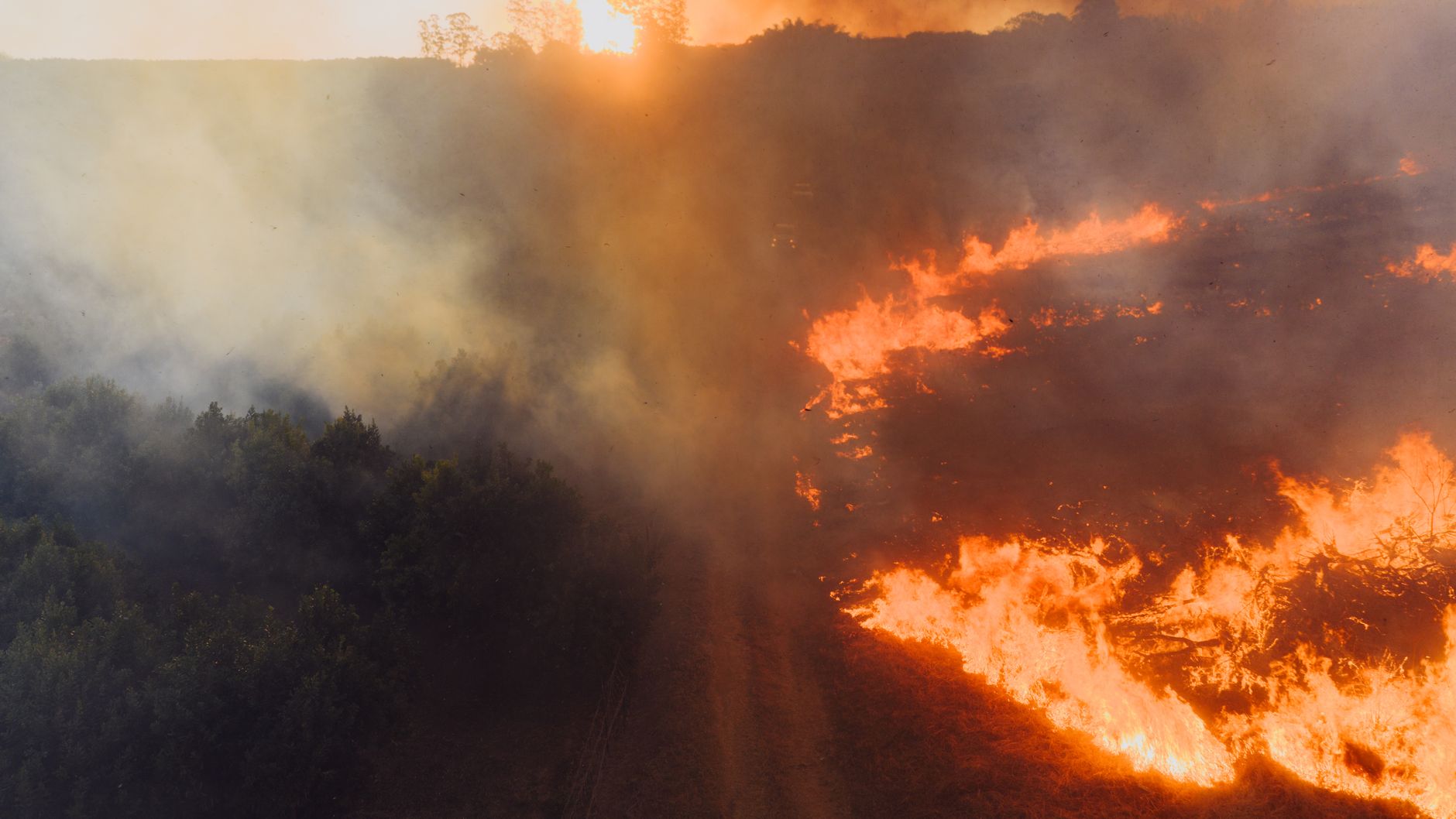
The video in question shows dense smoke rising over a forested area, with flames visible in the distance. Social media posts accompanying the video claimed the fires were ignited by US airstrikes targeting Iranian nuclear facilities, which were alleged to have resumed in late June 2026. The narrative suggested a direct causal link between geopolitical conflict and environmental disaster in Europe, amplifying both geopolitical anxiety and ecological concern.
AFP’s fact-checking unit, which published its findings on July 20, 2026, noted that the video’s metadata and visual cues indicated it was filmed in Spain’s Catalonia region. However, the team emphasized that the footage did not match any known wildfire events in Spain during the period when the alleged US-Iran strikes were said to have occurred. Instead, the video appears to be a compilation or reuse of older footage from a wildfire that took place in Catalonia in March 2026, months before the alleged strikes.
Timeline and Geolocation Evidence
AFP’s investigation relied on reverse image search tools, metadata analysis, and consultation with local emergency services and environmental agencies. The team found that the video’s visual features—such as the shape of the terrain, types of vegetation, and smoke patterns—matched publicly available footage from a wildfire near the town of Olot in Girona province, which burned in early March 2026. Emergency services in Catalonia confirmed that no major wildfires occurred in the region during late June or early July 2026 that would correspond to the video’s timeline.
While AFP did not identify the original source of the video, the fact-check noted that the footage had been edited or clipped from a longer clip and repurposed with misleading captions. The misleading narrative was further amplified by accounts that added unverified claims about US military operations in Iran, creating a false causal chain between two unrelated events.
How the Misleading Narrative Spread Across Platforms
The video’s journey from obscurity to viral status followed a familiar but effective disinformation pathway: a visually dramatic clip, a misleading caption, and rapid amplification by partisan or high-reach accounts. According to AFP’s report, the video first appeared on a Telegram channel with approximately 15,000 subscribers before being cross-posted to X, where it was shared by accounts with follower counts ranging from 5,000 to over 100,000. These accounts frequently reposted content linking environmental disasters to geopolitical events, suggesting a coordinated or habitual pattern of narrative framing.
AFP observed that the video’s captions evolved as it spread. Early versions emphasized the visual drama of the fire, while later iterations explicitly tied the event to US-Iran strikes, adding fabricated context to increase emotional resonance and perceived urgency. This evolution is consistent with known disinformation tactics, where content is progressively radicalized to provoke stronger reactions and broader sharing.
The speed of amplification highlights the role of algorithmic recommendation systems in spreading unverified content. While AFP did not analyze platform algorithms directly, the rapid cross-platform diffusion—from closed messaging apps to open social networks—suggests that content moderation tools were either slow to act or not triggered by the initial upload, allowing the false narrative to gain traction before fact-checks could be widely disseminated.
AFP’s Fact-Check: What the Evidence Shows
AFP’s fact-check, published on July 20, 2026, concluded that the video was not related to any US-Iran strikes and that the fires depicted occurred months earlier. The investigation relied on three primary lines of evidence: geolocation, metadata, and official records.
First, AFP used reverse image search tools to trace the video to a March 2026 wildfire in Catalonia. Second, the team analyzed metadata embedded in some versions of the video, which indicated a recording date in early March 2026, consistent with the Olot fire timeline. Third, AFP contacted local emergency services, who confirmed no major wildfires occurred in the region during the alleged strike period in late June or early July.
The fact-check also debunked claims that US military actions in Iran had resumed. Public statements from US Central Command and the Iranian Ministry of Foreign Affairs, as reported by international wire services at the time, indicated no such strikes had occurred. AFP cross-referenced these official statements with its own findings to establish that the geopolitical premise of the video was entirely fabricated.
Limitations and Challenges in Debunking
AFP acknowledged that while the video’s origin and timeline were clear, tracing the initial source of the footage proved difficult due to the fragmented nature of its distribution. The video was repeatedly re-encoded and re-uploaded, stripping metadata and complicating attribution. This limitation underscores a broader challenge in countering disinformation: even when the false claim is debunked, the original source often remains obscured, allowing the narrative to persist in altered forms.
The fact-check also noted that some versions of the video included additional false claims, such as fabricated quotes from environmental officials or altered maps, further complicating efforts to fully debunk the entire narrative. AFP emphasized the importance of addressing not just the central false claim, but also the ecosystem of related misinformation that often accompanies viral content.
Where Outlets Agree and Diverge on the Debunking
AFP’s fact-check is the only detailed, multi-source investigation published to date on this specific video and claim. No other major international outlets have published independent investigations into the video’s origins or the false Iran strike link. However, several outlets amplified AFP’s findings or referenced the debunking in broader reporting on disinformation trends.
For example, Euronews cited AFP’s fact-check in a July 22 article about the spread of environmental misinformation during periods of geopolitical tension. While Euronews did not conduct its own investigation, it highlighted the video as an example of how visual content can be repurposed to fit unrelated narratives. Similarly, El País, Spain’s leading newspaper, referenced AFP’s debunking in a report on misinformation targeting Spanish audiences during the summer wildfire season.
These outlets agreed with AFP’s core conclusion: the video was unrelated to US-Iran strikes and originated from an earlier wildfire in Catalonia. However, none of the outlets provided additional technical analysis or attempted to trace the video’s path through specific social media platforms, leaving gaps in understanding how the narrative gained momentum.
Divergence in Emphasis
While AFP focused on geolocation and metadata, Euronews emphasized the broader context of environmental misinformation, noting that wildfire-related content is frequently repurposed during times of international conflict to stoke fear or outrage. El País, by contrast, highlighted the role of Spanish-language social media ecosystems in amplifying the video, particularly within Catalan and pro-independence online communities where geopolitical narratives about US intervention are already prevalent.
This divergence in emphasis reflects the different audiences and editorial priorities of each outlet. AFP’s approach was technical and evidence-driven, while Euronews and El País situated the debunking within larger trends in disinformation and regional media consumption. Together, these reports provide a more comprehensive picture of the video’s impact and the narratives it intersected with.
The Mechanics of the False Link: Wildfire vs. Geopolitical Event
The false link between the wildfire video and US-Iran strikes is a textbook example of “contextomy”—the practice of stripping visual content from its original context and reinserting it into a fabricated narrative. In this case, the video’s dramatic imagery—dense smoke and visible flames—was repurposed to suggest a causal relationship with a distant geopolitical event, even though the two were temporally and geographically unrelated.
This tactic exploits the emotional weight of visual media. Wildfires are highly evocative, often associated with destruction, climate change, and human suffering. By attaching such imagery to a geopolitical narrative—particularly one involving the US and Iran, two long-standing adversaries—the false claim gains plausibility and urgency. The human brain is more likely to accept emotionally resonant narratives, even when they are factually baseless, a phenomenon well-documented in cognitive psychology and media studies.
Visual Misinformation as a Disinformation Vector
The video’s effectiveness as a disinformation tool stems from its authenticity as a visual record. Unlike text-based misinformation, which can be easily dismissed as “just words,” video is often perceived as inherently trustworthy. This perception is amplified when the content appears to show a dramatic, real-world event. The false Iran strike link leveraged this trust, using the video’s visual authenticity to lend credibility to the fabricated geopolitical claim.
Moreover, the video’s reuse across platforms and languages demonstrates how disinformation adapts to local contexts. While the core false claim remained consistent—wildfires caused by US strikes—the narrative was tailored to different audiences. In English-language posts, the emphasis was on US-Iran tensions; in Spanish-language posts, the focus shifted to environmental destruction in Spain, with the geopolitical link serving as a secondary amplification cue.
Who Is Affected and How the Misinformation Spreads
The primary audience for the misleading narrative appears to be users already primed to accept narratives of US aggression or environmental alarmism. The video’s rapid spread within Catalan-language and pro-independence online spaces suggests that it resonated with audiences already skeptical of US foreign policy or concerned about climate-related disasters. This targeted amplification is consistent with known disinformation strategies, where false claims are seeded in communities where they are most likely to be accepted and shared.
Additionally, the video’s reuse highlights the vulnerability of environmental reporting to misinformation. Wildfire seasons are already high-stakes periods for media and public attention, and disinformation actors exploit this by repurposing real but unrelated footage to fit sensational narratives. This not only misleads the public but also erodes trust in legitimate environmental reporting, making it harder for audiences to distinguish between real and fabricated crises.
The spread of the video also demonstrates the role of intermediaries—accounts with large followings who repost content without verification. These accounts, often described as “amplifier accounts,” play a critical role in the lifecycle of viral misinformation. By sharing unverified content with their audiences, they lend an appearance of legitimacy and urgency, accelerating the spread of false narratives before fact-checkers can intervene.
Red Flags and a Debunking Checklist for Viral Videos
Identifying manipulated or miscontextualized video content requires a systematic approach. Below is a checklist of red flags and verification steps that can help users assess the credibility of viral videos:
- Metadata Check: Use tools like InVID, Google Reverse Image Search, or Exif Viewer to examine embedded metadata for recording dates and locations. Be aware that metadata can be stripped or altered during re-encoding.
- Reverse Image Search: Run keyframes from the video through reverse image search engines to identify prior appearances or related reports. Look for matches in news archives, social media, or stock footage libraries.
- Geolocation Analysis: Compare visual features—terrain, vegetation, architecture, road patterns—against satellite imagery (e.g., Google Earth, Sentinel Hub) and local news reports. Use tools like Google Lens or Yandex Images for landscape matching.
- Timeline Verification: Cross-reference the video’s alleged timeline with official records from emergency services, environmental agencies, or satellite data providers (e.g., NASA FIRMS for fire detections).
- Source Attribution: Attempt to trace the video to its original uploader. Look for clues in watermarks, audio cues, or editing artifacts. Be cautious of accounts that frequently repost unverified content.
- Contextual Consistency: Check whether the video’s caption or accompanying text aligns with known events. Look for inconsistencies in dates, locations, or causal claims.
- Platform Behavior: Note how quickly the video spreads and whether it is being shared by accounts with a history of spreading misinformation. Use tools like Botometer or CrowdTangle (where available) to assess account authenticity.
- Official Denials: Search for statements from relevant authorities (e.g., fire departments, government agencies, military commands) that contradict the claim. Verify these statements through multiple reputable outlets.
Expert and Institutional Responses to the False Narrative
While no major international institutions issued formal responses to the specific video, AFP’s fact-check was cited by several media literacy organizations and fact-checking networks, including the European Digital Media Observatory (EDMO) and the International Fact-Checking Network (IFCN). These organizations highlighted the case as an example of visual misinformation being weaponized during periods of geopolitical tension.
In Spain, regional emergency services and environmental agencies did not issue public statements addressing the false claim, likely due to its limited reach within official channels. However, local media outlets, including El Periódico de Catalunya and La Vanguardia, amplified AFP’s debunking in their coverage of summer wildfire preparedness, emphasizing the importance of verifying social media content during high-risk periods.
The lack of a coordinated institutional response underscores a broader challenge in countering disinformation: while fact-checkers and media organizations can debunk false claims, they often lack the resources or authority to prevent their spread or correct the record at scale. This gap highlights the need for platforms, governments, and civil society to collaborate on early detection and rapid response mechanisms.
Original Analysis: What the Pattern Reveals About Modern Disinformation
Taken together, the reports and evidence surrounding this video reveal a sophisticated but increasingly common pattern in modern disinformation: the repurposing of authentic visual content to fit fabricated narratives, amplified by algorithmic distribution and community-specific amplification networks. This case is not an isolated incident but part of a broader trend where disinformation actors exploit emotionally resonant imagery—wildfires, floods, protests—to lend plausibility to unrelated claims, whether geopolitical, ideological, or conspiratorial.
What makes this case particularly instructive is the temporal and geographic mismatch between the visual content and the false claim. The video’s origins in a March 2026 wildfire in Catalonia and its recirculation in July 2026 to suggest a US-Iran strike demonstrate how disinformation actors exploit the lag between real events and their reuse in fabricated narratives. This “time-shift” tactic allows false claims to piggyback on real events, making them harder to debunk and easier to believe.
Additionally, the video’s spread across multiple platforms—from closed messaging apps like Telegram to open networks like X and Facebook—illustrates the fragmentation of the modern information ecosystem. Closed networks, which are harder for fact-checkers and researchers to monitor, serve as incubators for false narratives, which then leap to more visible platforms once they gain sufficient momentum. This cross-platform diffusion complicates efforts to contain misinformation, as interventions on one platform may have limited impact on another.
Finally, the case underscores the role of amplifier accounts—users with large followings who share unverified content without scrutiny. These accounts, often operating in ideological echo chambers, play a critical role in transforming niche misinformation into viral narratives. Their behavior suggests that countering disinformation requires not only debunking false claims but also addressing the incentives and behaviors that drive amplification.
What to Do When You Encounter Suspicious Viral Content
When you encounter a viral video or claim that seems sensational or politically charged, pause before sharing or reacting. The first step is to verify the content’s origins using the tools and techniques outlined in the Red Flags Checklist. If the video lacks metadata or reverse image search results, treat it as unverified until further evidence emerges.
Next, assess the source of the claim. Is it being shared by an account with a history of spreading misinformation? Does the account have a pattern of reposting unverified content or using sensational language? Tools like Botometer or the Twitter Transparency Center (for X) can help evaluate account authenticity, though they are not foolproof.
If the claim involves a real-world event—such as a wildfire, protest, or military strike—check official sources. Emergency services, government agencies, and reputable news organizations are more likely to provide accurate, timely information. Be cautious of secondary sources that rely on anonymous claims or unverified social media posts.
Finally, consider the emotional tone of the content. Sensational or emotionally charged narratives are more likely to be misleading, as they exploit cognitive biases and urgency. If a video or claim makes you feel outraged, fearful, or vindicated, take a moment to question why it evokes such strong emotions and whether those emotions are justified by the evidence.
FAQ: Addressing Common Questions About This Misinformation Case
Was the wildfire video actually filmed in Spain?
Yes. AFP’s investigation confirmed that the video was filmed in Catalonia, Spain, near the town of Olot in Girona province. The visual features, including terrain and vegetation, match publicly available footage from a wildfire that occurred in early March 2026.
Did US-Iran strikes actually occur in late June or early July 2026?
No. Public statements from US Central Command and the Iranian Ministry of Foreign Affairs, as reported by international wire services at the time, indicated no such strikes occurred. AFP cross-referenced these official statements with its own findings to establish that the geopolitical premise of the video was entirely fabricated.
How did the video become associated with US-Iran strikes?
The video was repurposed with misleading captions that falsely linked the wildfire imagery to US airstrikes targeting Iranian nuclear facilities. The captions evolved as the video spread, with later versions explicitly tying the event to geopolitical conflict. This tactic, known as contextomy, strips visual content from its original context and reinserts it into a fabricated narrative.
Why is this type of misinformation effective?
Visual misinformation is effective because video is often perceived as inherently trustworthy. The dramatic imagery of wildfires evokes strong emotions—fear, outrage, urgency—which makes the false claim more plausible. Additionally, the reuse of authentic footage makes it harder to debunk, as the content appears real even when the narrative is false.
What can platforms do to prevent this type of misinformation from spreading?
Platforms can implement early detection systems that flag content with mismatched metadata or inconsistent geolocation. They can also prioritize fact-checks from reputable organizations in users’ feeds and reduce the visibility of amplifier accounts that repeatedly share unverified content. However, these measures require investment in content moderation and transparency, which many platforms have been slow to adopt.