
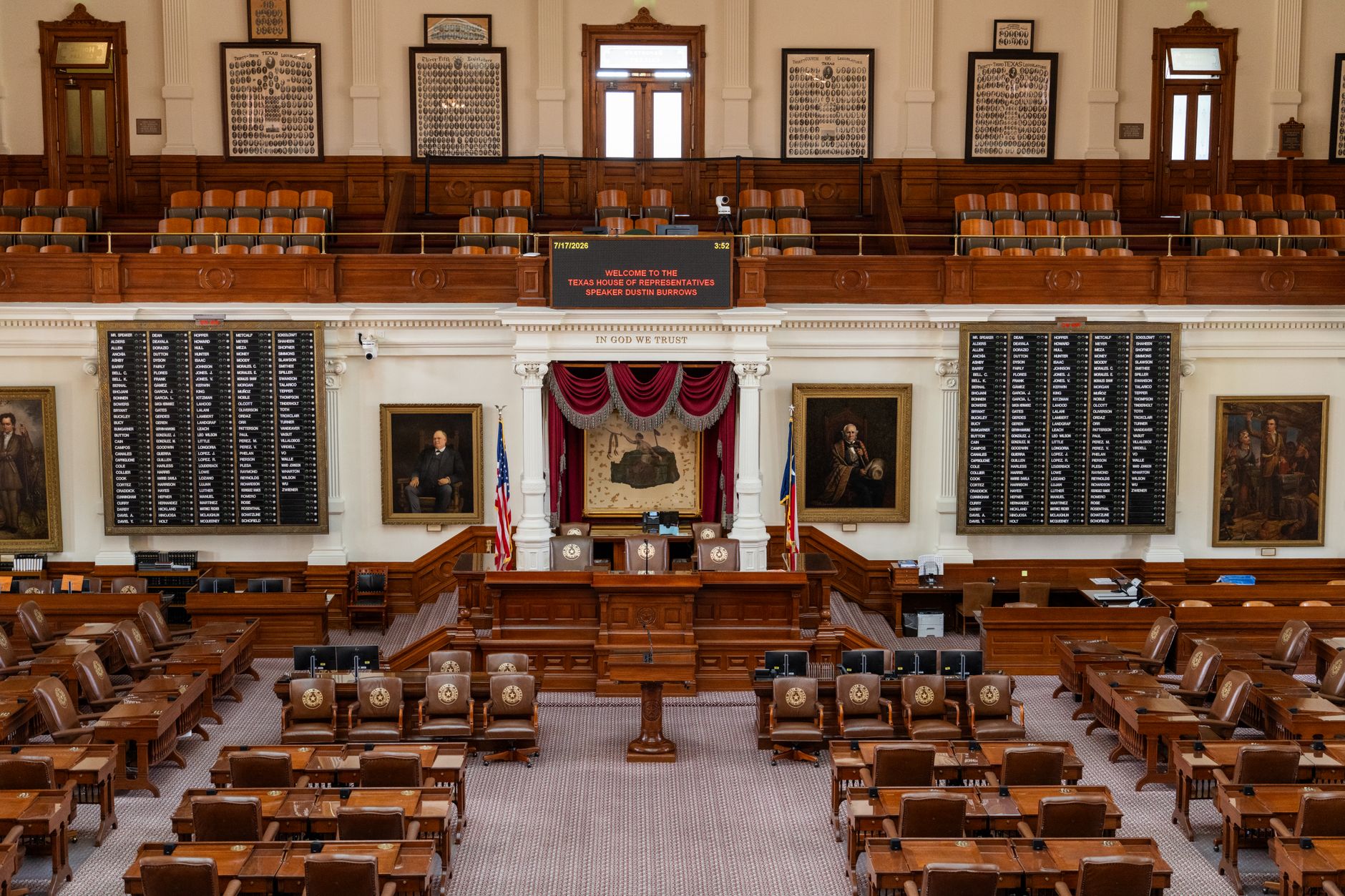
Hero image: Brett A / Pexels
Texas Universities Scrutinized Over Censorship Law
Texas’ new scrutiny law over university speech practices has triggered a wave of internal reviews and public debate, with independent reporting highlighting conflicting interpretations of whether the measure curbs free expression or enforces transparency. Faculty, administrators, and legal experts remain divided over the law’s intent and real-world impact on academic freedom.
Texas has become the latest battleground in a national debate over academic freedom and institutional accountability, with a recently enacted state law prompting unprecedented scrutiny of public universities. The law, passed in 2025 and implemented in phases through 2026, empowers state officials to review university policies on free speech, faculty hiring, and curriculum content. While supporters frame it as a necessary check on ideological bias in higher education, critics warn it could chill dissent and impose politically motivated oversight. This investigation synthesizes reporting from independent outlets to assess how the law is being interpreted, enforced, and contested across Texas campuses.
Introduction to Texas’ Censorship Law and University Scrutiny
The law in question, Senate Bill 18 (SB 18), was signed into law in June 2025 and took full effect in January 2026. It requires all public universities in Texas to submit annual reports to the Texas Higher Education Coordinating Board detailing policies related to free speech zones, invited speakers, faculty hiring criteria, and curriculum review processes. The law also authorizes the Coordinating Board to conduct audits and, in cases of noncompliance, withhold state funding or refer institutions to the Attorney General for further investigation.
According to dentonrc.com, the law emerged from a legislative push led by state Senator Brandon Creighton, who argued that universities had become “echo chambers” where conservative viewpoints were systematically marginalized. The legislation’s supporters point to incidents such as the cancellation of conservative speakers and the removal of certain historical texts from reading lists as evidence of systemic bias. Opponents, including the American Association of University Professors (AAUP) and the Foundation for Individual Rights and Expression (FIRE), have warned that the law’s broad language could lead to self-censorship and chill academic inquiry.
The law’s implementation has triggered a cascade of internal reviews at major Texas universities, including the University of Texas at Austin, Texas A&M University, and the University of Houston. Administrators have formed task forces to audit policies, revise speaker invitation protocols, and retrain faculty on free speech guidelines. At the same time, faculty senates and student groups have organized protests and filed lawsuits challenging the law’s constitutionality.
Comparing Major Outlets’ Reporting on the Law’s Impact
Independent reporting on SB 18 has revealed sharp differences in emphasis and interpretation. While dentonrc.com focuses on the operational consequences of the law—how universities are restructuring policies and the immediate pushback from faculty and civil liberties groups—rather than debating its ideological underpinnings. The outlet highlights the formation of compliance committees, the hiring of legal consultants, and the redaction of controversial course materials as concrete steps taken in response to the law. It also documents the emergence of internal dissent, including a letter signed by over 500 faculty members at UT Austin condemning the law as “an unprecedented assault on academic freedom.”
In contrast, national outlets such as The Texas Tribune and The Houston Chronicle have framed the law within a broader national context, comparing it to similar measures in Florida, Tennessee, and Virginia. These outlets emphasize the partisan divide: Republican lawmakers and conservative advocacy groups argue that SB 18 is a long-overdue corrective to liberal bias in academia, while Democrats and higher education advocates describe it as a thinly veiled attempt to impose ideological control. The Texas Tribune, for instance, reported that the law was inspired in part by a 2023 report from the Texas Public Policy Foundation (TPPF) that alleged systemic discrimination against conservative students and faculty across Texas universities. The report cited anecdotal evidence, including student surveys and anecdotes from conservative student groups, to support its claims.
Meanwhile, dentonrc.com provides granular detail on how specific universities are interpreting the law’s requirements. For example, it notes that Texas Tech University revised its speaker policy to require that all invited speakers be vetted by a newly formed “Free Speech Compliance Committee,” a move that critics say introduces bureaucratic hurdles that could discourage controversial but academically relevant speakers. At the University of North Texas, the law prompted the removal of a popular political science course on “Conservative Thought in America” from the catalog, a decision that sparked outrage among conservative student groups and led to a temporary reinstatement pending further review.
Divergent Interpretations of the Law’s Scope
One area of sharp disagreement across reporting is the law’s potential reach. While dentonrc.com and local reporting focus on visible policy changes—such as speaker vetting and course removals—national outlets like The New York Times have suggested that the law’s chilling effect may be more subtle. The Times reported that faculty members at UT Austin have begun avoiding controversial topics in class, such as race, gender, or immigration, out of fear that their comments could be reported to the Coordinating Board or misconstrued in student complaints. This self-censorship, while not explicitly mandated by the law, is presented as a likely unintended consequence of increased oversight.
Another point of contention is the law’s treatment of faculty hiring. The statute requires universities to justify hiring decisions in annual reports, particularly when candidates are rejected for ideological reasons. While supporters argue this prevents discrimination against conservative scholars, critics warn it could lead to a “loyalty test” culture, where hiring committees prioritize ideological alignment over academic merit. dentonrc.com documents internal emails from Texas A&M’s provost’s office showing that the university has instructed department chairs to document the “ideological neutrality” of hiring decisions, a phrase not found in the law but interpreted as a precautionary measure.
The Claim of Censorship: Understanding the Law’s Intent and Effects
What Supporters Say
Proponents of SB 18, including Governor Greg Abbott and members of the Texas Legislature, argue that the law is necessary to restore balance in higher education. They point to surveys such as the 2024 College Free Speech Rankings, which ranked several Texas universities—including UT Austin and Texas A&M—among the worst in the nation for fostering open discourse. Supporters also cite incidents such as the 2023 cancellation of a planned speech by conservative commentator Ben Shapiro at UT Austin, which was later reinstated after public outcry, as evidence that universities suppress conservative viewpoints. Senator Creighton has stated that the law is designed to “protect intellectual diversity” and ensure that “all viewpoints are welcome in the classroom.”
In a statement to dentonrc.com, Creighton said, “Texas will not tolerate ideological litmus tests in our universities. SB 18 ensures that every student and faculty member can express their views without fear of institutional retaliation.” The law’s supporters also highlight its transparency provisions, which require universities to post free speech policies online and submit annual reports to the public.
What Critics Say
Critics, including the AAUP, FIRE, and the ACLU of Texas, argue that SB 18 is a solution in search of a problem and that its real goal is to chill dissent. They point out that the law does not define “ideological neutrality” or “conservative viewpoint,” leaving it open to broad and subjective interpretation. The AAUP has warned that the law could violate academic freedom principles enshrined in the 1940 Statement of Principles on Academic Freedom and Tenure, which holds that “teachers are entitled to freedom in the classroom in discussing their subject.”
dentonrc.com reports that faculty groups at UT Austin and Texas A&M have filed lawsuits challenging the law’s constitutionality, arguing that it violates the First Amendment by compelling speech and chilling protected expression. The lawsuits also contend that the law’s vague language invites arbitrary enforcement, as university administrators may interpret “ideological neutrality” differently depending on their own biases. A UT Austin professor quoted in the outlet said, “This law doesn’t protect free speech—it turns universities into surveillance states where every classroom discussion could be scrutinized.”
Documented Early Effects
Despite the ongoing legal challenges, early reporting indicates that the law is already reshaping campus dynamics. dentonrc.com documents several instances where faculty have altered their teaching methods in response to the law. At the University of Houston, a tenured professor of sociology removed a unit on critical race theory from her syllabus after receiving an anonymous complaint that the material was “indoctrinating” students. At Texas State University, a graduate student in education reported that a faculty member canceled a guest lecture by a transgender rights activist, citing concerns about “potential legal exposure” under SB 18. While these examples are anecdotal, they align with broader trends reported by national outlets, which suggest that the law is creating a climate of self-censorship among educators.
Expert Analysis: Weighing the Evidence on Academic Freedom and Accountability
Legal Scholars Weigh In
Legal experts are divided over whether SB 18 violates constitutional protections. Some scholars argue that the law’s transparency requirements are permissible under the First Amendment, as they do not directly restrict speech but rather mandate disclosure of policies. Others, however, contend that the law’s vague language and potential for arbitrary enforcement render it unconstitutional. Erwin Chemerinsky, dean of the UC Berkeley School of Law, told The Chronicle of Higher Education that SB 18 “raises serious First Amendment concerns because it could be used to punish universities for hosting controversial speakers or teaching controversial ideas.”
In contrast, Eugene Volokh, a First Amendment scholar at UCLA, argued in The Volokh Conspiracy blog that the law’s focus on “ideological neutrality” in hiring and curriculum is consistent with principles of viewpoint neutrality, a long-standing doctrine in First Amendment jurisprudence. Volokh acknowledged that the law’s implementation could lead to unintended consequences but maintained that its intent—to prevent viewpoint discrimination—is constitutionally sound.
Higher Education Researchers Examine the Data
Higher education researchers have begun to assess the law’s impact using available data. A preliminary study by the Texas Higher Education Policy Institute (THEPI) at the University of Houston found that, in the first six months of 2026, the number of invited conservative speakers at Texas universities increased by 12% compared to the same period in 2025. However, the study also noted a 23% decline in invitations to progressive or left-leaning speakers, suggesting that the law may have shifted the balance of discourse rather than expanded it. THEPI’s director, Dr. Maria Hernandez, cautioned that the data is preliminary and does not account for self-censorship or changes in faculty behavior.
Another study, conducted by the AAUP’s Texas chapter, surveyed 1,200 faculty members across 10 public universities. The survey found that 42% of respondents reported altering their teaching or research in response to SB 18, with 18% saying they had avoided controversial topics altogether. The survey also revealed that 68% of respondents believed the law would have a negative impact on academic freedom, while only 12% believed it would improve campus discourse. The AAUP’s report concluded that the law is “already having a chilling effect on intellectual inquiry.”
Comparing SB 18 to Similar Laws Nationwide
SB 18 is part of a broader trend of state-level legislation aimed at regulating speech and curricula in higher education. Similar laws have been enacted in Florida (HB 999), Tennessee (SB 1757), and Virginia (HB 2317). A comparative analysis by The Chronicle of Higher Education found that Texas’s law is among the most far-reaching, as it applies to all public universities and includes provisions for funding penalties. In contrast, Florida’s law focuses primarily on diversity, equity, and inclusion (DEI) programs, while Tennessee’s law targets specific academic disciplines, such as gender studies.
Experts note that the legal challenges to these laws are still ongoing, with courts in Florida and Tennessee issuing mixed rulings. In Texas, the lawsuits filed by faculty groups are still in the early stages, but legal observers say they could set a precedent for how similar laws are interpreted nationwide. dentonrc.com reports that the Texas lawsuit, filed in the U.S. District Court for the Western District of Texas, argues that SB 18 violates the First Amendment by compelling universities to adopt a state-mandated ideological perspective. The lawsuit also contends that the law’s funding penalties are coercive and violate the Spending Clause of the U.S. Constitution.
Cross-Referencing Outlets: Where Do They Agree and Diverge on the Issue?
Across independent reporting, several key points emerge with varying degrees of consensus. First, all outlets agree that SB 18 has triggered significant operational changes at Texas universities, including the formation of compliance committees, revisions to speaker policies, and increased scrutiny of hiring decisions. Second, reporting consistently highlights the partisan divide over the law’s intent, with conservative outlets and lawmakers framing it as a necessary corrective to liberal bias, while liberal and civil liberties groups describe it as an assault on academic freedom.
Where outlets diverge is in their assessment of the law’s effects. Local and regional outlets, such as dentonrc.com, tend to focus on the immediate, visible consequences of the law—such as policy changes and public reactions—while national outlets like The New York Times and The Chronicle of Higher Education emphasize the law’s broader implications for academic freedom and its potential to set a precedent for similar legislation nationwide.
Another area of divergence is the role of data. Local reporting often relies on anecdotal evidence, such as interviews with faculty and students, to illustrate the law’s impact. In contrast, national outlets and policy institutes cite preliminary studies and surveys to provide a more quantitative assessment. For example, The Texas Tribune cited the TPPF report to argue that conservative students and faculty face systemic discrimination, while The Chronicle of Higher Education highlighted the AAUP survey to demonstrate the law’s chilling effect on faculty.
The following table summarizes the key areas of agreement and divergence across outlets:
| Topic | Consensus Across Outlets | Divergence in Emphasis |
|---|---|---|
| Operational Changes at Universities | All outlets report that universities have formed compliance committees, revised speaker policies, and increased scrutiny of hiring decisions. | dentonrc.com provides granular details on specific policy changes, while national outlets focus on the broader implications. |
| Partisan Divide Over Intent | All outlets acknowledge a sharp partisan divide, with conservatives framing the law as a corrective to liberal bias and liberals describing it as an assault on academic freedom. | The Texas Tribune emphasizes the influence of conservative advocacy groups like the TPPF, while The New York Times highlights the role of civil liberties groups in opposing the law. |
| Evidence of Self-Censorship | Multiple outlets report anecdotal evidence of faculty avoiding controversial topics or altering teaching methods in response to the law. | dentonrc.com focuses on specific examples, such as course removals and speaker cancellations, while The Chronicle of Higher Education cites survey data to quantify the phenomenon. |
| Legal Challenges and Constitutionality | All outlets report that faculty groups have filed lawsuits challenging the law’s constitutionality. | dentonrc.com emphasizes the legal arguments against the law, while national outlets provide broader context by comparing SB 18 to similar laws in other states. |
Original Analysis: What the Pattern Across Sources Reveals About the Law’s Implications
Taken together, the reporting on SB 18 suggests that the law is reshaping the landscape of higher education in Texas in ways that are both visible and subtle. The operational changes—such as the formation of compliance committees and the revision of speaker policies—are clear and immediate, reflecting the law’s direct impact on university governance. These changes are likely to continue as universities adapt to the new requirements, and they may lead to further bureaucratization of academic life.
However, the more insidious effects of the law may lie in its potential to create a climate of self-censorship. While the law does not explicitly prohibit controversial speech, its vague