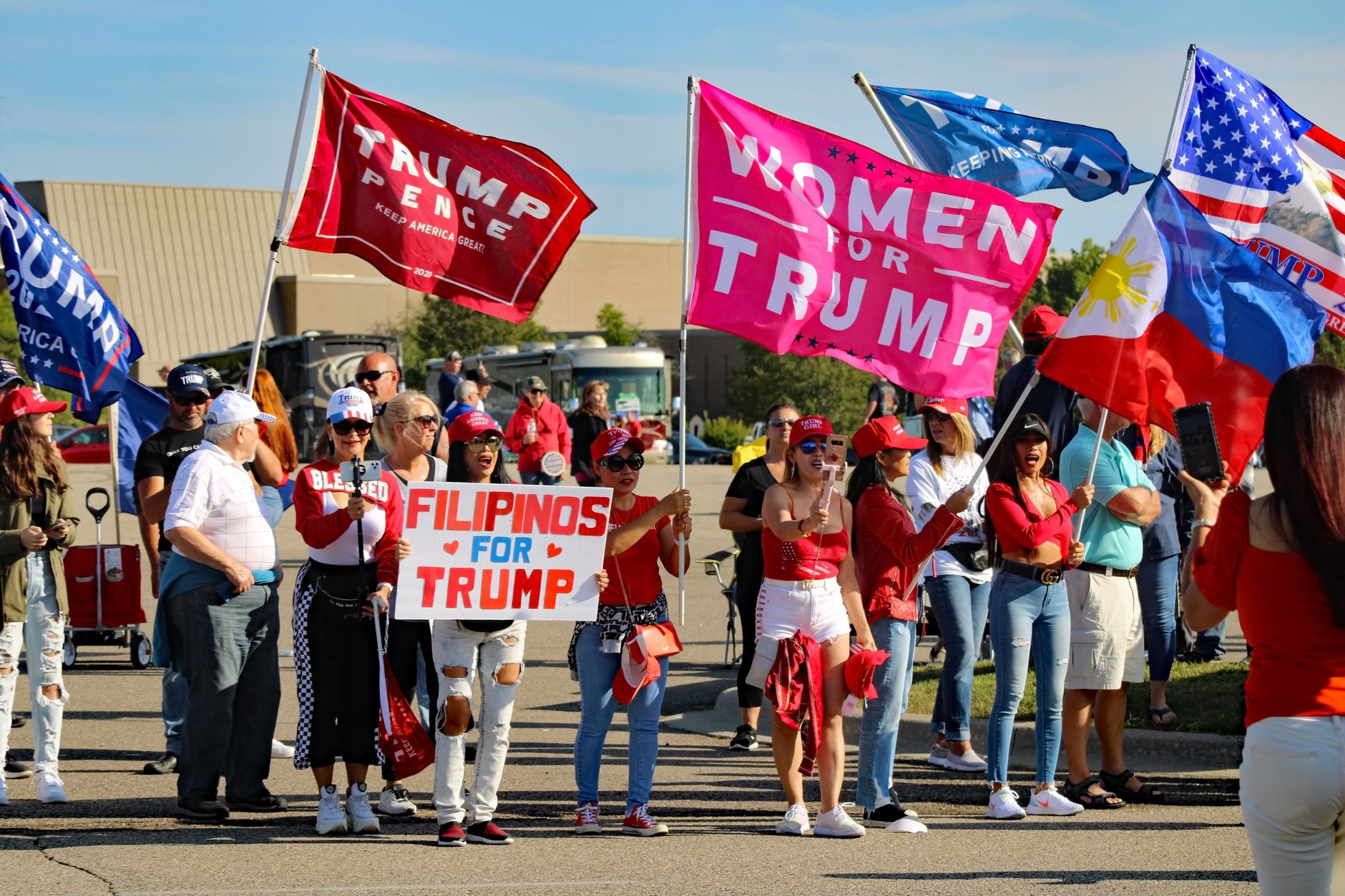
Hero image: Michael Anthony / Pexels
Trump Propaganda Ad Paid for by US Government Slammed
Recent reporting from Truthout highlights sharp public criticism directed at a controversial promotional spot funded by public resources. Observers and legal advocates argue that deploying taxpayer money for messaging associated with the administration constitutes a severe breach of federal spending rules. This investigation examines the mechanisms, allegations, and legal frameworks surrounding the contested production.
The intersection of public communications and political messaging has long been a subject of intense regulatory scrutiny within the United States. When the state apparatus finances media that closely mirrors electoral or partisan advocacy, foundational questions arise regarding the misuse of public trust and treasury funds. Truthout reported that critics have slammed what they characterize as a Trump propaganda ad paid for by the US government, labeling the expenditure unlawful. Analyzing this event requires a rigorous examination of how federal communications are funded, the legal barriers preventing partisan self-aggrandizement using public coffers, and the broader implications for institutional integrity in media.
Context and Background on Government Advertising
Federal agencies routinely engage in public information campaigns to educate citizens on health initiatives, safety regulations, military recruitment, and economic assistance programs. These public service announcements serve a recognized civic function, providing essential data to the populace. However, a strict dividing line separates objective government messaging from promotional materials that elevate specific political figures or advance partisan policy agendas. The historical precedent governing federal communications emphasizes that public funds must not subsidize political advocacy.
Over the decades, Congress has enacted specific statutory guardrails to prevent executive agencies from deploying public relations budgets for self-promotion. These regulations stem from concerns that an administration could utilize the vast resources of the federal treasury to cement its political standing, thereby distorting democratic processes. When reports emerge detailing promotional campaigns that blur these lines, watchdogs and investigative journalists immediately scrutinize the origin of the funding, the approval process within the agency, and the explicit content of the media output.
The Mechanics of Public Information vs. Political Promotion
Distinguishing between legitimate public service messaging and prohibited political propaganda involves evaluating both the tone and the targeted utility of the communication. Legitimate public information provides neutral, factual instructions or updates regarding government services and public safety. Conversely, prohibited political promotion often relies on emotional appeals, partisan framing, and the prominent featuring of elected officials in contexts that amplify their personal brand.
In the case highlighted by Truthout, critics argue that the production crossed the line from objective state communication into partisan promotion. The utilization of government channels and public budgets to distribute content that critics label as a Trump propaganda ad underscores the systemic vulnerability of federal public relations offices to political capture. Without rigorous internal oversight, administrative messaging can easily be co-opted to serve individual political ambitions rather than the collective public interest.
The Contested Advertisement: Overview of the Claim
The core of the controversy centers on a specific audiovisual or print campaign disseminated through government-backed channels. According to Truthout, the content of the advertisement drew immediate backlash from legal experts, ethics watchdogs, and political opponents who identified distinct characteristics of partisan campaigning rather than neutral public information. The central claim is that the material directly promoted the political interests of Donald Trump while being financed entirely by American taxpayers.
Publicly funded advertisements are subject to strict oversight regarding their distribution footprint, production costs, and messaging scope. When an advertisement generated by a federal entity appears to function as a campaign vehicle, it triggers immediate alarms across civil society. The allegations detailed by Truthout focus not only on the messaging itself but also on the diversion of public resources away from statutory mandates toward promotional activities designed to influence public perception favorably toward the sitting administration.
Public and Institutional Reaction
The dissemination of the contested media piece provoked swift condemnation from various watchdog organizations dedicated to government accountability. These entities argue that using public funds for materials that resemble campaign advertisements undermines the fundamental neutrality expected of federal institutions. As documented by Truthout, the backlash was not limited to partisan critics, but included legal analysts who pointed out potential violations of federal appropriations law.
The institutional response to such controversies typically involves demands for transparency, the release of communication contracts, and inquiries into which officials authorized the expenditure. When federal agencies fail to provide clear justifications for the messaging choices embedded in publicly funded ads, public skepticism deepens. This dynamic erodes trust in official communications and fuels ongoing debates regarding the need for stricter legislative controls over executive branch public relations budgets.
Legal Standards Governing Federal Communications
Federal law imposes clear prohibitions on the use of appropriated funds for publicity or propaganda purposes not authorized by Congress. The Antideficiency Act and various annual appropriations riders explicitly forbid executive agencies from spending public money on covert propaganda, grassroots lobbying campaigns, or self-aggrandizing promotional materials directed at the American public. These statutory guardrails are designed to maintain a strict separation between state resources and political maneuvering.
The Government Accountability Office plays a crucial role in interpreting and enforcing these prohibitions. When agencies finance promotional campaigns that highlight administration officials or promote contested political narratives, the GAO evaluates whether the content constitutes prohibited publicity. Legal standards dictate that federal communications must be informative, objective, and non-partisan, avoiding the elevation of any individual political figure at taxpayer expense.
Statutory Prohibitions and Appropriations Riders
Every fiscal year, Congress attaches specific riders to appropriations bills that prohibit federal agencies from using funds for publicity or propaganda purposes designed to support or defeat legislation or to promote the political fortunes of administration officials. These riders provide the legal foundation for challenging executive overreach in media spending. If an agency allocates funds to produce and distribute a Trump propaganda ad, investigators must determine whether the expenditure violated these specific statutory riders.
Furthermore, federal procurement laws require transparency and competitive bidding for advertising contracts. Critics examining the contested campaign look closely at how the production contracts were awarded, whether internal ethics reviews were conducted, and if agency leadership bypassed standard clearance procedures to fast-track the messaging. These procedural violations often carry significant legal consequences independent of the content itself.
Criticisms and Allegations of Illegality
The primary accusation leveled against the administration regarding the contested media spot is that its funding violates federal anti-propaganda laws. Watchdog groups and legal scholars cited by Truthout argue that the spot constitutes illegal self-promotion paid for by the public treasury. These critics emphasize that using taxpayer dollars to distribute partisan narratives subverts the democratic intent behind agency budgets, which are appropriated strictly for public welfare and administrative execution.
Beyond the general principle of fiscal integrity, specific legal arguments focus on the coercive nature of government-backed media. When the state utilizes its vast communication apparatus to amplify partisan viewpoints, it creates an uneven playing field where public resources are weaponized in political discourse. Legal advocates argue that such actions violate the spirit, if not the letter, of statutes designed to keep the federal bureaucracy politically neutral.
| Claim Made by Supporters | Evidence and Criticisms Highlighted by Truthout | Regulatory Reality |
|---|---|---|
| The ad provides essential public education on agency achievements and policies. | Critics argue the content heavily promotes Donald Trump personally rather than objective civic data. | Federal funds cannot be legally deployed for self-aggrandizement or partisan publicity. |
| The distribution utilized standard agency communication channels within budget. | Watchdogs question the procurement process and authorization of public funds for campaign-style media. | Appropriations riders strictly forbid using public money for covert propaganda or political lobbying. |
Ethical Implications of State-Funded Messaging
The ethical dimensions of this controversy extend beyond statutory compliance. When an administration utilizes government agencies to broadcast content that functions as a Trump propaganda ad, it damages the credibility of civil servants and federal institutions. Public trust depends on the assurance that state communications are truthful, non-partisan, and dedicated solely to the public welfare.
When that trust is compromised by promotional campaigns that serve executive political interests, the entire apparatus of government communication faces suspicion. Civil society organizations emphasize that restoring integrity requires absolute adherence to ethical guidelines and transparent accounting of all public expenditures related to media production and distribution.
Evaluating the Source Material and Reporting
Rigorous fact-checking requires evaluating the credibility and origin of reports detailing government misconduct. Truthout provided foundational documentation of the public outcry and legal analyses surrounding the contested media campaign. By examining the specific allegations, quotes from legal experts, and the context of the federal spending involved, journalists can construct an accurate assessment of the controversy.
The reporting highlights a growing tension between executive communication teams and oversight bodies. Evaluating this source material involves cross-referencing public statements from accountability groups with the statutory frameworks governing federal budgets. This analytical process ensures that public discourse remains grounded in verifiable facts rather than partisan rhetoric.
Assessing Journalistic Rigor and Transparency
Investigative reporting on government propaganda relies on access to public records, contract disclosures, and whistleblower testimony. Truthout’s coverage points to the necessity of transparent journalism in exposing potential legal violations within federal agencies. Readers and analysts must carefully examine the evidence presented in such reports to understand the full scope of administrative overreach.
The presence of detailed criticism from recognized legal scholars adds substantial weight to the reporting. When independent watchdogs and subject-matter experts unite in condemning a federal expenditure as illegal, it signals a serious systemic failure that warrants thorough congressional and judicial investigation.
Broader Implications for Media and Propaganda
The controversy surrounding the Trump propaganda ad illuminates larger trends regarding the evolution of political communication in the digital age. As traditional barriers between state messaging and partisan media continue to erode, the potential for abuse of public resources grows significantly. Administrations increasingly leverage modern communication platforms to bypass traditional media filters and deliver unvetted promotional content directly to the public.
This shift poses profound challenges for media literacy and democratic accountability. When government agencies act as distribution hubs for partisan narratives, the distinction between objective state reporting and state-sponsored propaganda becomes dangerously blurred. Addressing this challenge requires strengthening institutional oversight and demanding greater transparency from executive branch communications offices.
The Erosion of Institutional Boundaries
Maintaining a clear boundary between the administrative state and political campaigns is essential for the health of a democratic republic. When public funds finance materials that resemble campaign advertisements, it compromises the political neutrality of civil service employees and diminishes public confidence in government institutions.
The ongoing scrutiny of federally funded media spots serves as a critical check against authoritarian impulses in public communications. By holding administrations accountable for every dollar spent on promotional campaigns, watchdogs help preserve the integrity of public service messaging and protect the democratic process from improper state influence.
Next Steps and Accountability Measures
Addressing the allegations detailed by Truthout requires concrete accountability measures from oversight bodies and legislative leaders. Potential next steps include formal investigations by the Government Accountability Office, congressional committee hearings into the procurement and authorization of the advertising contracts, and potential legal challenges filed by watchdog organizations.
Furthermore, executive agencies must implement stricter internal compliance protocols to ensure that future communication campaigns undergo rigorous legal review before public funds are allocated. Transparency in contract awards and messaging content remains the most effective deterrent against the misuse of taxpayer resources for partisan promotion.
Red Flags Checklist
Identifying potential instances of illegal government propaganda involves watching for specific structural and content-related warning signs:
- Prominent featuring of sitting executive officials in media campaigns closely tied to electoral messaging.
- Ambiguity in funding sources, with public relations budgets diverted from statutory educational mandates.
- Lack of competitive bidding or transparency in the awarding of agency advertising and production contracts.
- Absence of neutral civic data, replaced by emotional appeals and partisan policy framing.
- Resistance from agency leadership to Freedom of Information Act requests and congressional inquiries regarding communication expenditures.
Frequently Asked Questions
What is a government-funded propaganda ad?
A government-funded propaganda ad refers to promotional media produced and distributed using public taxpayer resources that promotes a partisan political agenda or elevates an elected official rather than providing objective, neutral public information.
Why are critics calling the Trump propaganda ad illegal?
Critics and legal watchdogs argue that using federal funds for promotional content that resembles a campaign advertisement violates statutory appropriations riders and the Antideficiency Act, which prohibit executive agencies from engaging in self-aggrandizement and political lobbying.
What role does the Government Accountability Office play in these situations?
The Government Accountability Office investigates federal spending to determine whether agency expenditures comply with congressional appropriations laws, including rules prohibiting the use of public funds for covert propaganda and political publicity.
How do public service announcements differ from prohibited political ads?
Public service announcements provide factual, non-partisan information regarding government services, health guidelines, or public safety. Prohibited political ads use public funds to advance partisan narratives, praise specific politicians, or influence public opinion for electoral benefit.
What actions can citizens and lawmakers take against illegal government ads?
Lawmakers can launch congressional investigations, subpoena communication contracts, and amend appropriations riders to tighten restrictions. Citizens and watchdogs can file lawsuits, submit Freedom of Information Act requests, and pressure agencies to maintain strict political neutrality.