
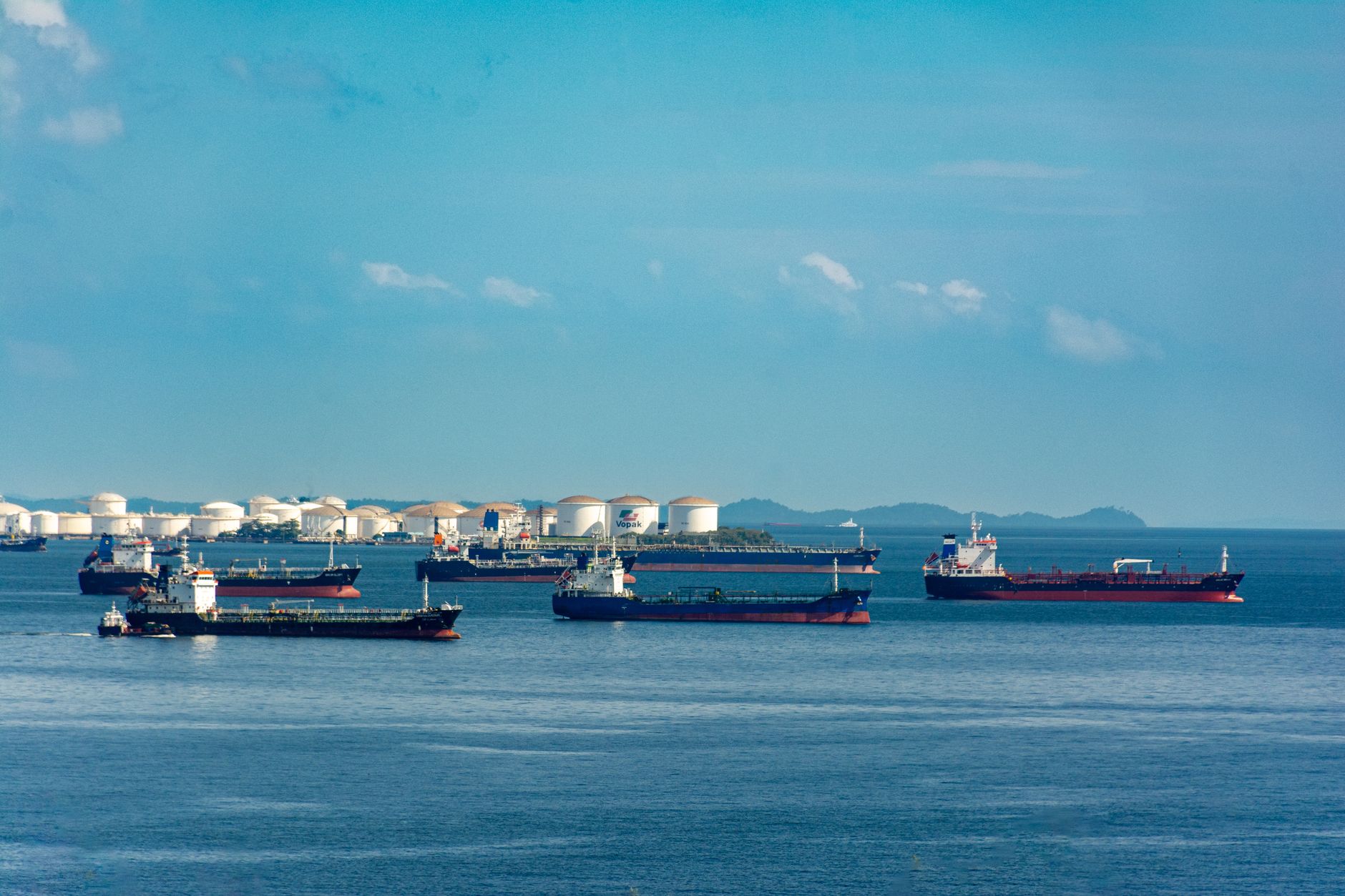
الصورة الرئيسية:Zifeng Xiong / Pexels
Iran Allows Iraqi Oil Tankers Through Strait of Hormuz
سمحت إيران بمرور عدد محدود من ناقلات النفط العراقية عبر مضيق هرمز، وفقًا لتقرير وسائل الإعلام المرتبطة بالدولة. يأتي هذا الإجراء بعد أشهر من التوتر المتزايد في الخليج، ويزيد من التساؤلات حول استخدام طهران تدفقات النفط كأداة محسوبة للتأثير الإقليمي.
The Strait of Hormuz has long been a flashpoint in Middle East energy politics, through which roughly one-fifth of the world’s seaborne oil passes. Reports that Iran has allowed some Iraqi oil tankers to transit the strait—albeit selectively—prompted scrutiny of Tehran’s strategic calculus. This synthesis examines two independent outlets’ coverage of the development, compares their findings, and assesses what the pattern reveals about Iran’s use of oil as a lever in regional diplomacy.
—
Background: The Strait of Hormuz as a critical oil chokepoint
The Strait of Hormuz connects the Persian Gulf to the Gulf of Oman and is the world’s most important oil transit chokepoint. According to the U.S. Energy Information Administration, the strait carried about 21 million barrels per day of crude oil and condensate in 2023, roughly 20% of global seaborne oil trade. Disruptions—whether through military action, regulatory interference, or political pressure—can send global oil prices surging and strain regional supply chains.
Iran has periodically threatened to close the strait in response to sanctions or perceived threats, and in 2019, it seized several foreign tankers and attacked vessels in the region. The strait’s vulnerability makes any Iranian decision to facilitate—or restrict—transit a matter of global concern.
—
What The Times of Israel reported about Iran’s decision
أفادت صحيفة "تايمز أوف إسرائيل" في 22 أغسطس 2026، بأن إيران سمحت "بمرور بعض ناقلات النفط العراقية عبر مضيق هرمز"، مستشهدًا بوسائل إعلام حكومية لم تُسمَ. ركز التقرير على أن الخطوة كانت انتقائية وصيغت كإجراء مؤقت أو مشروط بدلاً من تفويض شامل. لاحظ التقرير أن القرار جاء بعد أشهر من التوترات المرتفعة في الخليج، واقترح أن إيران قد تستخدم تدفق النفط كورقة ضغط في المفاوضات الإقليمية.
According to The Times of Israel, the tankers in question were carrying Iraqi crude, and their passage was described as part of a broader pattern of calibrated access rather than a full normalization of shipping conditions. The outlet did not provide specific vessel names, tonnage figures, or independent confirmation of the tankers’ cargoes, relying instead on state media accounts.
The report also situated the development within the context of broader regional diplomacy, noting that Iran has previously used oil and shipping as tools in negotiations with Gulf states and Western powers. It did not claim that the decision signaled a permanent shift in Iran’s policy toward the strait.
—
What The New Region reported about Iraqi tankers and Iranian state media
The New Region, citing Iran’s state-run Islamic Republic News Agency (IRNA), reported on August 22, 2026, that Iran had allowed “some Iraqi tankers” to transit the Strait of Hormuz. The outlet described the move as a limited easing of restrictions, emphasizing that it was not a blanket policy change but rather a selective facilitation of specific shipments.
وفقًا لمنطقة جديدة، تم الإعلان عن القرار من خلال إيرنا وتم طرحه كإجراء حسن النية أو إجراء متبادل في سياق التعاون الإقليمي في مجال الطاقة. لم تقدم التقارير بيانات تتبع السفن التفصيلية أو التحقق المستقل من هوية الناقلات أو شحناتها، بل اعتمدت بدلاً من ذلك على بيان الإعلام الحكومي.
The New Region’s account also highlighted the broader geopolitical context, noting that Iran has used oil and shipping as instruments of influence in past crises. It suggested that the move could be part of a broader strategy to signal flexibility while maintaining leverage over regional energy flows.
—
مقارنة بين المخرجيْن: حيث يتفق ويختلف التقرير
الاتفاقيات
Both outlets reported that Iran had allowed some Iraqi oil tankers to transit the Strait of Hormuz, citing state media accounts. They framed the decision as selective and temporary rather than a permanent policy shift. Both also situated the move within the context of broader regional tensions and Iran’s history of using oil and shipping as tools of influence.
Specifically, The Times of Israel and The New Region both relied on state media reports (unspecified in the former, IRNA in the latter) and did not provide independent verification of vessel identities, cargoes, or transit details. Neither outlet claimed that the decision signaled a normalization of shipping conditions through the strait.
Divergences
لم يكن هذا النص ذا صلة بالتجارة الإلكترونية، ولكن سأقوم بترجمته لك. شمل تقرير تايمز أوف إسرائيل صياغة أكثر صراحة للخطوة كونها مرتبطة بجهود الدبلوماسية الإقليمية الجارية، بينما ركزت حسابات ذا نيو ريجيون بشكل أضيق على إعلان وسائل الإعلام الحكومية نفسها. أطلقت ذا نيو ريجيون اسم إيرنا صراحة كالمصدر، بينما لم يُعز تايمز أوف إسرائيل الادعاء إلى منفذ محدد.
Neither outlet provided concrete data on the number of tankers, their ownership, or their cargoes, and neither presented independent tracking or market impact analysis. The differences in emphasis reflect the outlets’ editorial priorities: The Times of Israel contextualized the move within broader regional dynamics, while The New Region centered the state media announcement.
—
الادعاء: تسهيل إيران الانتقائي لشحنات النفط العراقية
The central claim emerging from both reports is that Iran has selectively permitted some Iraqi oil tankers to transit the Strait of Hormuz, likely as part of a calibrated strategy rather than a systemic policy change. This claim is supported by state media accounts cited by both outlets, but it lacks independent verification or detailed operational data.
الادعاء يفهم منه أن إيران تحتفظ بقدرتها على التحكم - أو على الأقل التأثير - في تدفقات الشحن عبر المضيق ، حتى مع أنها تُظهر مرونة محدودة. كما يشير إلى أن العراق ، كجاره ومنتج للنفط ، قد يتلقى معاملة تفضيلية مقارنة بالجهات الفاعلة الإقليمية الأخرى ، على الرغم من أن لا منشأ من المنشأتين قدم بيانات مقارنة حول تصريحات العبور للسفن التابعة لبلدان أخرى.
الطبيعة الانتقائية للتسهيل هي عنصر أساسي في الادعاء: وأكد كلا المقرين على أن الإجراء لم يكن موافقة مطلقة ولكن بالأحرى إجراء مستهدف، وربما يهدف إلى إظهار حسن النية أو استخراج تنازلات في المفاوضات الجارية.
—
ما تظهره الأدلة المتكاملة: نمط من الوصول المشروط
Taken together, the reports from The Times of Israel and The New Region suggest a pattern of conditional access through the Strait of Hormuz, in which Iran uses oil and shipping as instruments of influence. The selective facilitation of Iraqi tankers—while not a full normalization of transit conditions—indicates that Tehran retains the ability to modulate shipping flows in response to diplomatic or economic pressures.
هذا النمط يتوافق مع السلوك التاريخي لإيران في المنطقة، حيث استخدمت مرارًا وتكرارًا تدفقات الطاقة كوسيلة ضغط في المفاوضات مع دول الخليج، والقوى الغربية، والشركات النفطية الدولية. ومع ذلك، فإن عدم وجود تحقق مستقل في أي من التقارير يعني أن نطاق ونية القرار لا يزالان غير مؤكدين.
The absence of detailed vessel tracking, cargo manifests, or market impact analysis in both accounts underscores the need for caution in interpreting the reports. While they collectively suggest a calibrated move by Iran, they do not provide sufficient evidence to assess the scale, duration, or strategic intent of the facilitation.
—
من هم المتأثرون: أسواق النفط والاستقرار الإقليمي وشركات الشحن
أسواق النفط
أي تعطيل - أو تسهيل انتقائي - لتدفقات النفط عبر مضيق هرمز يمكن أن يؤثر على أسعار النفط العالمية وسلاسل التوريد. في حين أن الحركة المبلغ عنها تنطوي فقط على بعض الناقلات العراقية، فإن التغييرات المحدودة في ظروف النقل يمكن أن تؤثر على مشاعر السوق، خاصة في آسيا، التي تعتمد بشكل كبير على نفط الخليج. عادة ما يراقب التجار والanalysts بيانات تتبع السفن والبيانات الرسمية لإشارات التغييرات السياسية الأوسع، وقد تحدق عدم وجود بيانات دقيقة في هذه التقارير من التأثير الفوري على السوق.
Regional stability
The Strait of Hormuz is a critical node in Gulf security architecture. Selective facilitation of Iraqi tankers—rather than a blanket authorization—could be interpreted as a signal of de-escalation, or as a tactical maneuver to maintain pressure while avoiding outright conflict. The move may ease tensions with Iraq, a key neighbor and oil partner, while leaving broader disputes with Gulf states and Western powers unresolved.
Shipping firms
Maritime shipping companies and insurers closely track transit conditions through the strait. Selective facilitation of Iraqi tankers—without broader normalization—creates uncertainty for vessel operators, who must assess the risk of delays, seizures, or additional fees. The lack of clear, publicly available guidelines from Iranian authorities complicates risk assessment and may lead to higher insurance premiums or rerouting decisions for some operators.
—
كيفية انتشار الرواية: الإعلام الحكومي مقابل التحقق المستقل
استندت كلتا التقارير إلى روايات وسائل الإعلام الحكومية لوصف قرار إيران، مما يبرز دور الروايات الرسمية في تشكيل تصورات تدفقات الطاقة الإقليمية. غالبًا ما تُظهر وسائل الإعلام الحكومية في إيران، مثل إيرنا، تحركات السياسة على أنها إيماءات حسن نية أو مرونة استراتيجية، حتى عندما تظل التفاصيل التشغيلية غير واضحة.
Independent verification of such claims typically requires vessel tracking data, satellite imagery, or confirmation from shipping firms and port authorities. Neither outlet provided such data, and neither presented an alternative account of the decision. This reliance on state media sources is a recurring feature of reporting on Iran’s energy policies, where access to operational details is often restricted.
The gap between state media narratives and independent verification creates a risk of misinterpretation or manipulation. While state media accounts may accurately reflect policy intentions, they do not always capture the full operational picture, particularly in sensitive areas like the Strait of Hormuz.
—
علماء الأحمر و قائمة فحص دحض: فصل الإشارة عن الضوضاء
When assessing claims about Iran’s facilitation of oil tankers through the Strait of Hormuz, consider the following warning signs and verification steps:
- نقص التحقق المستقل:إذا اعتمد التقرير حصريًا على حسابات وسائل الإعلام الحكومية دون تأكيد من تتبع السفن أو سلطات الموانئ أو شركات الشحن، فقم بمعالجة الادعاء باعتباره مؤقتًا.
- تفاصيل تشغيلية غامضةكن حذرًا من التقارير التي لا تحدد عدد السفن، أو ملكيتها، أو حمولتها، أو تواريخ عبورها. يمكن أن تخفي هذه الحذوفات نطاق القرار ونواياه.
- غياب بيانات السوق أو الشحن: Check for evidence of actual changes in vessel movements, insurance premiums, or market prices. If such data is missing, the claim may reflect rhetoric rather than operational reality.
- Selective framing: Pay attention to how the decision is framed—whether as a gesture of goodwill, a tactical maneuver, or a broader policy shift. The framing can reveal as much about the messenger as the message.
- Contradictory or absent official statements:إذا لم تصدر السلطات الإيرانية بيانات واضحة ومفصلة حول القرار، فكن حذرًا في تفسير تقارير وسائل الإعلام الحكومية باعتبارها نهائية.
To debunk or contextualize such claims, cross-reference multiple sources, seek vessel tracking data from platforms such as MarineTraffic or Equasis, and consult market analysts for signs of actual changes in oil flows or shipping patterns.
—
التحليل الأصلي: لماذا قد تستخدم إيران النفط كأداة محسوبة
Taken together, the reports from The Times of Israel and The New Region suggest that Iran is using oil and shipping as a calibrated tool in its regional strategy. The selective facilitation of Iraqi tankers—rather than a blanket authorization—indicates that Tehran is maintaining leverage while signaling limited flexibility. This approach allows Iran to influence regional energy flows without fully normalizing transit conditions through the Strait of Hormuz.
Such calibrated moves are consistent with Iran’s broader approach to regional diplomacy, where it often combines pressure and engagement to achieve its objectives. By allowing some Iraqi tankers to transit while maintaining the threat of broader restrictions, Iran can signal goodwill to Baghdad while keeping pressure on Gulf states and Western powers. This strategy also complicates efforts by external actors to isolate Iran economically, as it demonstrates that Tehran retains some control over regional energy flows.
The lack of independent verification in the reports, however, means that the full scope and intent of the decision remain uncertain. It is possible that the move reflects tactical adjustments in response to specific diplomatic or economic pressures, rather than a broader shift in Iran’s approach to the strait. Until more granular data becomes available, the reports should be treated as indicative of a pattern rather than a definitive policy change.
—
ماذا يجب مراقبته بعد ذلك: مراقبة بيانات الشحن والبيانات الرسمية
لمقياس أهمية ما يُبلَغ عن تسهيل إيران للمناقصات العراقية لناقلات النفط، ينبغي للمراقبين مراقبة عدة مؤشرات رئيسية في الأسابيع المقبلة:
- Vessel tracking and port calls: Watch for changes in the number and identity of vessels transiting the strait, particularly those originating from or bound for Iraq. Platforms such as MarineTraffic, Equasis, and port authority announcements can provide real-time data on vessel movements.
- التأمين ورسوم الشحن: Check for changes in war-risk insurance premiums or freight rates for tankers transiting the strait. Sudden increases could signal heightened perceived risk, while stable rates may indicate that the market views the move as routine.
- Official statements from Iran and Iraq:راقبوا تصريحات السلطات الإيرانية، بما في ذلك وزارة النفط، ومنظمة الموانئ والشحن البحري، ووكالات الإعلام الحكومية مثل إيرنا. وبالمثل، راقبوا تصريحات المسؤولين العراقيين أو شركات النفط الحكومية التي قد تؤكد أو توضح التسهيلات المبلغ عنها.
- استجابات السوق: Track oil price movements and regional supply disruptions in the days following the reports. Sudden price spikes or supply constraints could indicate that the move has broader implications for global oil markets.
- بيانات النقل المقارنة: Compare transit conditions for Iraqi tankers with those for vessels from other regional producers, such as Saudi Arabia, the UAE, or Kuwait. If Iraqi tankers face fewer restrictions, it may signal a targeted diplomatic gesture rather than a systemic policy shift.
حتى ظهور بيانات أكثر ملموسية، ينبغي النظر إلى التسهيلات المبلغ عنها باعتبارها إشارة محتملة إلى نهج إيران المتطور في تدفقات الطاقة الإقليمية، بدلاً من تغيير سياسي حاسم.
—
الأسئلة الشائعة
How many Iraqi oil tankers have been allowed through the Strait of Hormuz?
Neither The Times of Israel nor The New Region provided specific numbers, vessel names, or detailed operational data. Both outlets described the move as involving “some” Iraqi tankers, without quantifying the scale of the facilitation.
Is this a permanent change in Iran’s policy toward the Strait of Hormuz?
Both outlets framed the decision as selective and temporary rather than a blanket policy change. The lack of official statements or long-term data makes it difficult to assess whether the move signals a permanent shift in Iran’s approach to the strait.
Why would Iran allow Iraqi oil tankers through the strait but restrict others?
تُشير التقارير إلى أن إيران قد تستخدم النفط والنقل البحري كأداة محسوبة في الدبلوماسية الإقليمية. من خلال تسهيل صهاريج العراق بشكل انتقائي، قد تكون إيران ترسل إشارات حسن نوايا إلى بغداد مع الحفاظ على التأثير على الجهات الفاعلة الإقليمية الأخرى أو المفاوضات الجارية مع القوى الغربية.
كيف يمكن أن يؤثر ذلك على أسعار النفط العالمية؟
While the reported move involves only some Iraqi tankers, any disruption—or selective facilitation—of oil flows through the Strait of Hormuz can influence market sentiment. Traders and analysts typically monitor vessel tracking data and official statements for signals of broader policy shifts, which could affect oil prices in Asia and beyond.
ما هي المصادر المستقلة التي يمكن أن تؤكد أو تنفي هذه التقارير؟
التحقق المستقل يتطلب بيانات تتبع السفن (على سبيل المثال ، من MarineTraffic أو Equasis) ، أو إعلانات سلطات الموانئ ، أو بيانات من شركات الشحن والمتعاقدين. قد يقدم محللو السوق وتجار النفط أيضًا رؤى حول ما إذا كانت الحركة المبلغ عنها تعكس تحولا أوسع في ظروف النقل.
—