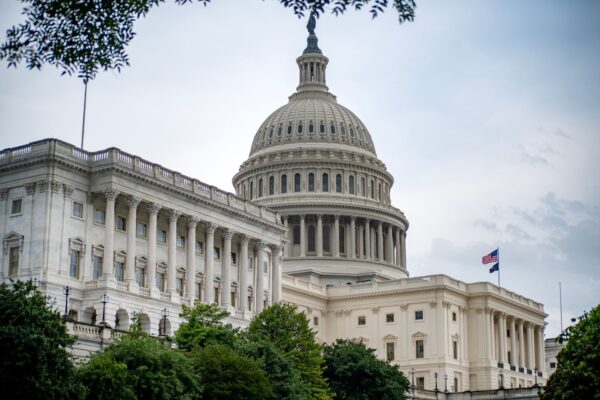
هذه ملخص الأسبوع الحالي لموقع "propaganda.exposed" الذي يستكشف آليات التحكم في القصص، والتحيز المؤسسي، والحروب المعلوماتية عبر قطاعات الدفاع، والإعلام، والمجتمعات الرقمية. من أخطاء سياسة السيبرانية في وزارة الدفاع إلى توحيد وسائل الإعلام التجارية، أصبحت المعلومات تُستخدم بشكل متزايد كوسيلة استراتيجية لتشكيل الرأي العام ونتيجة السياسات.
نحن ندرس الفروقات بين السجلات الرسمية والتقارير العامة، حيث نتحقق من كيفية تأثير التنقية اللغوية، والتواصل الرقمي المتسق، والولاءات المؤسسية على مشهد المعلومات. مع تراجع الثقة العامة في السلطات التقليدية، فإن فك تشفير هذه الأساليب أمر أساسي للحفاظ على معايير الأدلة وتحليلات موضوعية.
هذا الأسبوع ست مقالات مميزة
العمى في عمليات السيبرانية لدى وزارة الدفاع الأمريكية أثناء نشر القوات
يستمر وزارة الدفاع عن اعتبار العمليات السيبرانية كقدرة استراتيجية أساسية بينما يحافظ على تعريفات التعبئة التي لا تتناسب مع واقع العمليات. تشير التحليلات العسكرية الأخيرة إلى أن رفض الاعتراف رسميًا بالعناصر السيبرانية كعناصر معبأة يضر بتتبع الإدارة، جاهزية العمليات، ومكافأة الموظفين.
Unmasking Shadow Sovereignty and Transnational Media Cartels

An examination of independent publishing reveals complex intersections between lawfare, media conglomerates, and transnational cartels operating under the guise of narrative control. By applying rigorous fact-checking methodologies, this report evaluates the systemic architecture linking corporate media monopolies to global political influence.
Sanitizing Extremism: How Mainstream Outlets Alter Terror Coverage

Contemporary news organizations are systematically altering their reporting language regarding violent extremism by omitting core religious and ideological motivators. Media analysis demonstrates how editorial filters dilute specific violent acts, reflecting a broader pattern of narrative management in mainstream security reporting.
Deconstructing Political Rhetoric: Fact-Checking Los Angeles Statements

This evidence-based assessment evaluates political statements regarding California urban centers, contrasting heated campaign rhetoric against documented facts. By analyzing the disputed context of phrases like ‘take out,’ the report highlights the growing gap between partisan declarations and objective record-keeping.
Regulatory Scrutiny Targets Influencer Outreach and Astroturfing

Formal complaints filed against political influencer communications have triggered intense regulatory oversight regarding digital astroturfing. The investigation highlights the blurred boundaries between organic grassroots advocacy and orchestrated online campaigns, emphasizing the evidentiary challenges of policing modern digital influence operations.
Shareholder Revolt Exposes Institutional Bias at The New York Times

Recent shareholder allegations against The New York Times spotlight internal workplace friction and perceived departures from institutional mission statements. Grounded in documented public records, this analysis investigates the intersection of corporate governance, editorial direction, and media bias allegations.
المفاتيح الرئيسية
- Institutional information warfare encompasses both overt military cyber strategies and subtle domestic narrative management.
- Mainstream editorial shifts routinely sanitize ideological motivations in terrorism reporting, altering public perception of violent extremism.
- Digital influence operations and influencer outreach continue to test the limits of regulatory frameworks designed to prevent astroturfing.
- Corporate governance models within legacy media organizations face mounting shareholder and internal scrutiny over editorial bias.
استكشف المزيد من منتجاتناوسائط إعلامية، ودعاية، وسيطرة على السرد الإعلامي.