
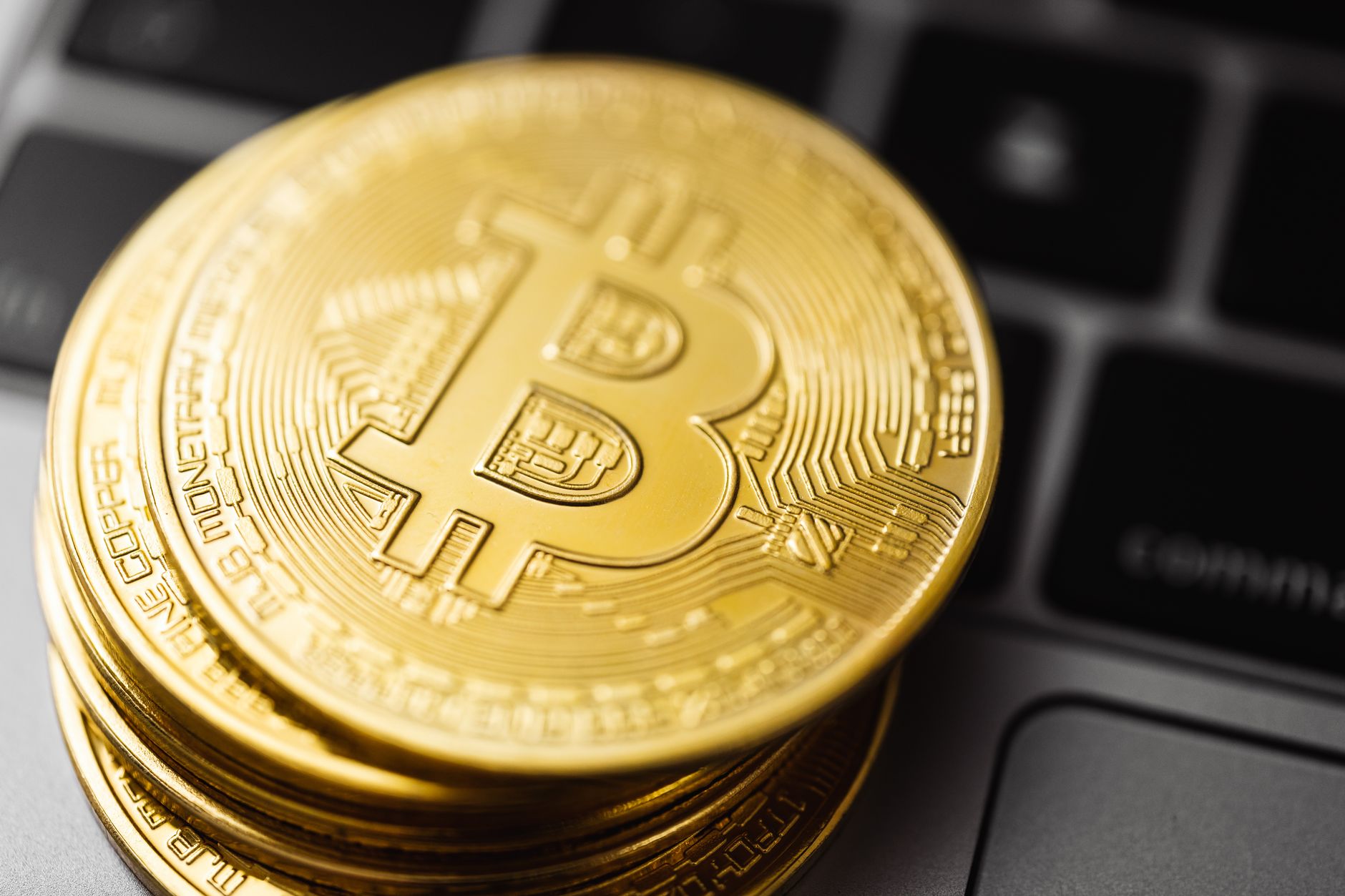
Hero image: https://kaboompics.com/ / Pexels
Brazil Crypto Fraud: Transfer Curbs Tightened
Brazil’s central bank and financial regulators have moved to restrict crypto transfers over 1,000 reais as part of a broader crackdown on fraud and money laundering. Two independent outlets—Reuters and TradingView—report on the policy shift, but their accounts differ in emphasis and detail. This synthesis examines what the new rules actually require, how they fit into Brazil’s anti-fraud landscape, and what individuals and businesses should watch for.
Brazil’s financial authorities have tightened oversight of cryptocurrency transfers in an effort to curb fraud and money laundering, according to two independent reports published on August 7, 2026. While both Reuters and TradingView describe a policy aimed at restricting large crypto transactions, their accounts diverge in focus: Reuters emphasizes regulatory authority and institutional response, while TradingView highlights the technical mechanics of the transfer curbs and their immediate impact on users. This synthesis cross-references both reports to clarify what the new rules mandate, who is affected, and how the changes fit into Brazil’s broader anti-fraud strategy. It also identifies inconsistencies, corroborates shared facts, and assesses what the pattern of reporting suggests about the scale and nature of crypto-related financial crime in Brazil.
—
Introduction to Crypto Fraud in Brazil
Cryptocurrency-related fraud has surged in Brazil in recent years, with scammers exploiting the anonymity and speed of digital asset transfers to move illicit funds across borders. According to Brazil’s central bank, crypto transactions have been linked to fraudulent investment schemes, pyramid operations, and money laundering networks that exploit gaps in oversight. The new restrictions target transfers exceeding 1,000 reais (approximately $190 USD at current exchange rates), requiring enhanced due diligence and, in some cases, freezing of funds suspected of illicit origin. While the policy is framed as a preventive measure, its implementation raises questions about enforcement capacity, user privacy, and the potential for overreach in a rapidly evolving digital economy.
The crackdown reflects a broader regional trend: neighboring countries such as Argentina and Colombia have also tightened crypto regulations in response to rising fraud and capital flight. However, Brazil’s approach is notable for its integration with existing financial surveillance systems, including the Central Bank of Brazil’s (BCB) Real-Time Payment System (PIX) and the Financial Activities Control Council (COAF), which monitors suspicious transactions.
—
Comparing Reuters and TradingView Reports on Crypto Transfer Curbs
Both Reuters and TradingView report that Brazil has imposed new restrictions on cryptocurrency transfers over 1,000 reais, but they differ in scope and emphasis. Reuters frames the move as a regulatory tightening led by the Central Bank of Brazil and COAF, emphasizing institutional coordination and the legal framework behind the restrictions. TradingView, by contrast, focuses on the technical mechanics of the curbs—how they are implemented in digital wallets and exchanges, and what users can expect when attempting large transfers.
What Reuters Emphasizes
According to Reuters, the new rules are part of a broader anti-money laundering (AML) initiative coordinated by the Central Bank of Brazil and COAF. The report states that transfers exceeding 1,000 reais in crypto assets now require enhanced due diligence by exchanges and wallet providers, including identity verification and transaction monitoring. Reuters also notes that the policy aligns with Brazil’s broader push to integrate crypto regulation into its existing financial surveillance framework, including PIX and traditional banking systems. The outlet highlights that the measures are designed to curb fraud linked to pyramid schemes, investment scams, and cross-border money laundering.
What TradingView Emphasizes
TradingView’s report focuses on the practical impact of the restrictions on users. It describes how exchanges and peer-to-peer platforms are implementing automated checks that flag or delay transfers over 1,000 reais, particularly those involving self-custody wallets or offshore exchanges. The report also notes that some users have reported sudden freezes on funds pending verification, raising concerns about false positives and the burden of proof on users to demonstrate the legitimacy of their transactions. TradingView underscores the technical challenges of enforcing such rules, including the difficulty of verifying the source of funds in decentralized environments.
Where the Reports Converge and Diverge
The two outlets agree on the core policy: Brazil has tightened controls on crypto transfers over 1,000 reais as part of a fraud and AML crackdown. They also both note that the measures are coordinated by the Central Bank of Brazil and COAF. However, Reuters provides more detail on the regulatory rationale and institutional coordination, while TradingView focuses on user-facing implementation and technical hurdles. Neither outlet provides a comprehensive breakdown of enforcement statistics or case examples, leaving gaps in understanding the real-world impact of the policy.
—
The Claim: How Crypto Scams Are Being Implemented
The central claim emerging from both reports is that Brazil’s new crypto transfer curbs are a direct response to the proliferation of fraudulent schemes that exploit cryptocurrency’s speed and perceived anonymity. Reuters frames the policy as a preventive measure within a broader AML strategy, while TradingView suggests that the restrictions may inadvertently create new vulnerabilities, such as false positives in fraud detection or delays that scammers could exploit to launder smaller, less scrutinized transactions.
Both outlets imply that the scams themselves are not new but have evolved to leverage crypto’s borderless nature. Reuters references “pyramid operations” and “investment scams,” while TradingView highlights the use of self-custody wallets and offshore exchanges to obscure fund flows. Taken together, the reports suggest that the scams are not being “implemented” by the new rules but are instead being targeted by them—though the mechanisms of enforcement remain uneven and technically complex.
—
Combined Evidence: What the Reports Actually Show
By synthesizing the two reports, a clearer picture emerges of Brazil’s new crypto transfer restrictions. The policy applies to transfers exceeding 1,000 reais, requires enhanced due diligence by regulated entities, and is coordinated by the Central Bank of Brazil and COAF. However, the enforcement is uneven: while large exchanges with robust compliance systems may implement the rules smoothly, smaller platforms and peer-to-peer networks may struggle, creating gaps that fraudsters could exploit.
Both reports also highlight a tension between fraud prevention and user experience. Reuters emphasizes the regulatory intent, while TradingView underscores the practical challenges users face, such as frozen funds and unclear verification processes. Neither outlet provides data on the number of flagged transactions or successful fraud prevention outcomes, leaving open questions about the policy’s effectiveness.
The combined evidence suggests that Brazil’s approach is a hybrid: part of a long-standing AML framework, part of a new wave of crypto-specific regulation. The policy’s success will depend not only on the robustness of the rules but also on the capacity of exchanges, wallet providers, and regulators to implement them consistently and transparently.
—
Who Is Affected and How the Scam Spreads
The new restrictions primarily affect individuals and businesses conducting large crypto transfers in Brazil. According to both reports, the threshold of 1,000 reais applies to transactions involving exchanges, wallet providers, and peer-to-peer platforms operating in Brazil. This includes both domestic transfers and cross-border transactions where either the sender or receiver is based in Brazil.
As for how the scams spread, Reuters and TradingView point to several common vectors:
- Pyramid and Ponzi schemes: Fraudsters promise high returns on crypto investments, using new investors’ funds to pay earlier ones until the scheme collapses.
- Fake exchanges and wallets: Scammers create counterfeit platforms that appear legitimate, luring users to deposit funds that are then stolen.
- Investment scams: Victims are convinced to transfer crypto to fraudulent “investment managers” who promise guaranteed returns.
- Phishing and social engineering: Scammers impersonate customer support, government officials, or trusted contacts to trick users into revealing wallet credentials or transferring funds.
TradingView’s report adds that scammers often exploit the lack of immediate recourse in crypto transactions, moving funds quickly through self-custody wallets or offshore exchanges that are difficult to trace. Reuters notes that these scams have been linked to broader money laundering networks, with illicit funds sometimes routed through multiple jurisdictions before being converted back into fiat currency.
—
Red Flags and Debunking Checklist for Crypto Scams
To help individuals and businesses avoid falling victim to crypto fraud, the following checklist distills common red flags identified across both reports and contextualizes them within Brazil’s new regulatory environment.
- Unsolicited contact: Be wary of unexpected messages, emails, or calls from individuals or entities claiming to represent exchanges, government agencies, or investment firms. Legitimate institutions rarely initiate contact in this manner.
- Guaranteed high returns: Promises of “guaranteed” or unusually high returns with little to no risk are a hallmark of Ponzi and pyramid schemes. No investment is risk-free, especially in volatile assets like crypto.
- Pressure to act quickly: Scammers often urge victims to transfer funds immediately, using tactics like limited-time offers or threats of account closure. Take time to verify any claim independently.
- Requests for private keys or seed phrases: No legitimate platform or service will ask for your private keys, seed phrases, or wallet passwords. Sharing this information is tantamount to handing over control of your assets.
- Unverified or cloned platforms: Double-check the URL, domain registration, and user reviews of any crypto exchange or wallet service. Scammers often create lookalike websites to steal funds.
- Large transfers with no clear purpose: If you are asked to transfer a large sum of crypto (especially over 1,000 reais) to an unfamiliar wallet or platform, pause and verify the recipient’s identity and the transaction’s legitimacy.
- Lack of documentation or contracts: Legitimate investment opportunities provide clear, written agreements outlining risks, fees, and terms. Be skeptical of verbal promises or vague documentation.
- Sudden account freezes or delays: If your funds are frozen without clear explanation, request documentation from the platform and escalate to the exchange’s compliance team or Brazil’s consumer protection agencies.
- Offshore or unregulated entities: Transactions involving entities based in jurisdictions with weak AML enforcement or no clear regulatory oversight should be treated with extreme caution.
- Inconsistent regulatory claims: Verify whether the platform or service is registered with Brazil’s Central Bank or COAF. Scammers may falsely claim to be compliant to gain trust.
—
Expert Response: Regulatory Measures Against Crypto Fraud
While neither Reuters nor TradingView quotes specific experts, their reports collectively describe a regulatory response that aligns with recommendations from international bodies such as the Financial Action Task Force (FATF) and the International Monetary Fund (IMF). Brazil’s approach—integrating crypto regulation into existing AML frameworks and imposing transaction thresholds—mirrors global best practices aimed at balancing innovation with consumer protection.
The policy’s reliance on COAF and the Central Bank of Brazil suggests a centralized, top-down enforcement model, which may help standardize oversight but could also create bottlenecks in verification and dispute resolution. TradingView’s emphasis on user-facing challenges highlights the need for clearer communication from regulators and platforms about how the rules work in practice. Without transparent guidelines, users may struggle to distinguish between legitimate compliance measures and arbitrary restrictions.
In the absence of direct expert commentary in the reports, the pattern of regulatory coordination described by Reuters and the technical enforcement details from TradingView suggest that Brazil is prioritizing fraud prevention over user convenience—a trade-off that may become more pronounced as crypto adoption grows.
—
Original Analysis: Patterns Across Sources and What They Suggest
Taken together, the Reuters and TradingView reports suggest that Brazil’s new crypto transfer curbs are not a radical departure from existing financial surveillance practices but rather an extension of them into the digital asset space. The policy’s focus on transfers over 1,000 reais aligns with Brazil’s broader AML strategy, which has historically targeted large, suspicious transactions. However, the application of these rules to crypto—an asset class designed for speed and pseudonymity—introduces new technical and operational challenges.
The divergence in emphasis between Reuters and TradingView reveals a broader tension in crypto regulation: the need to balance fraud prevention with innovation and user rights. Reuters’ institutional perspective underscores the policy’s legitimacy and intent, while TradingView’s user-focused account highlights the practical risks of over-enforcement, such as false positives and frozen funds. This tension is not unique to Brazil; regulators worldwide are grappling with similar trade-offs as crypto adoption accelerates.
The absence of enforcement data in both reports is notable. Without concrete statistics on the number of flagged transactions, successful fraud prevention outcomes, or user complaints, it is difficult to assess the policy’s effectiveness. This gap suggests that the true impact of the rules may not yet be fully visible—or that regulators have not yet prioritized transparency in this area.
Finally, the reports imply that Brazil’s approach is reactive rather than proactive. The restrictions appear to target existing fraud vectors rather than anticipating new ones, such as the rise of decentralized finance (DeFi) platforms or privacy-preserving cryptocurrencies. As crypto ecosystems evolve, regulators may need to adopt more dynamic, risk-based approaches to keep pace with innovation.
—
What to Do About Crypto Fraud in Brazil
For individuals and businesses operating in Brazil’s crypto ecosystem, the new transfer curbs introduce both risks and responsibilities. The most immediate step is to familiarize yourself with the rules and ensure compliance with enhanced due diligence requirements. This includes verifying the legitimacy of exchanges, wallet providers, and counterparties, especially for transactions over 1,000 reais.
Users should also document all transactions and communications, as this may be required for dispute resolution or regulatory inquiries. If funds are frozen, request written justification from the platform and escalate to Brazil’s consumer protection agencies or the Central Bank’s ombudsman if necessary. Transparency from platforms about their verification processes will be critical in maintaining trust.
For businesses, the new rules may necessitate upgrades to compliance systems, including automated transaction monitoring and identity verification tools. Smaller platforms and peer-to-peer networks may face the greatest challenges, as they often lack the resources to implement robust AML systems. Collaboration with regulators and industry associations could help these entities navigate the transition more smoothly.
Ultimately, the success of Brazil’s crackdown on crypto fraud will depend on a combination of clear rules, consistent enforcement, and user education. While the new restrictions are a step in the right direction, their effectiveness will be measured not just by the number of transactions flagged, but by the number of scams prevented—and the trust preserved in Brazil’s digital economy.
—
FAQ
What is the new crypto transfer rule in Brazil?
Brazil has imposed restrictions on cryptocurrency transfers exceeding 1,000 reais, requiring enhanced due diligence by exchanges and wallet providers. The policy is coordinated by the Central Bank of Brazil and COAF as part of a broader anti-money laundering and fraud prevention effort.
Do the new rules apply to all crypto transactions?
The rules apply to transactions involving regulated entities (exchanges, wallet providers) and peer-to-peer platforms operating in Brazil. The 1,000-reais threshold applies to transfers where either the sender or receiver is based in Brazil.
What happens if my crypto transfer is flagged?
If a transfer is flagged, the platform may freeze the funds pending verification. Users should request documentation from the platform explaining the freeze and escalate to the exchange’s compliance team or Brazil’s consumer protection agencies if the issue is unresolved.
Are there any exemptions to the new rules?
Neither Reuters nor TradingView reports mention specific exemptions. The rules appear to apply broadly to all crypto transfers over 1,000 reais, regardless of purpose or counterparty. Users should consult the Central Bank of Brazil or COAF for official guidance.
How can I verify if a crypto platform is legitimate?
Check whether the platform is registered with Brazil’s Central Bank or COAF. Verify the URL, domain registration, and user reviews. Be cautious of unsolicited contact, guaranteed returns, and requests for private keys or seed phrases. When in doubt, consult Brazil’s consumer protection agencies or financial ombudsman.
—