
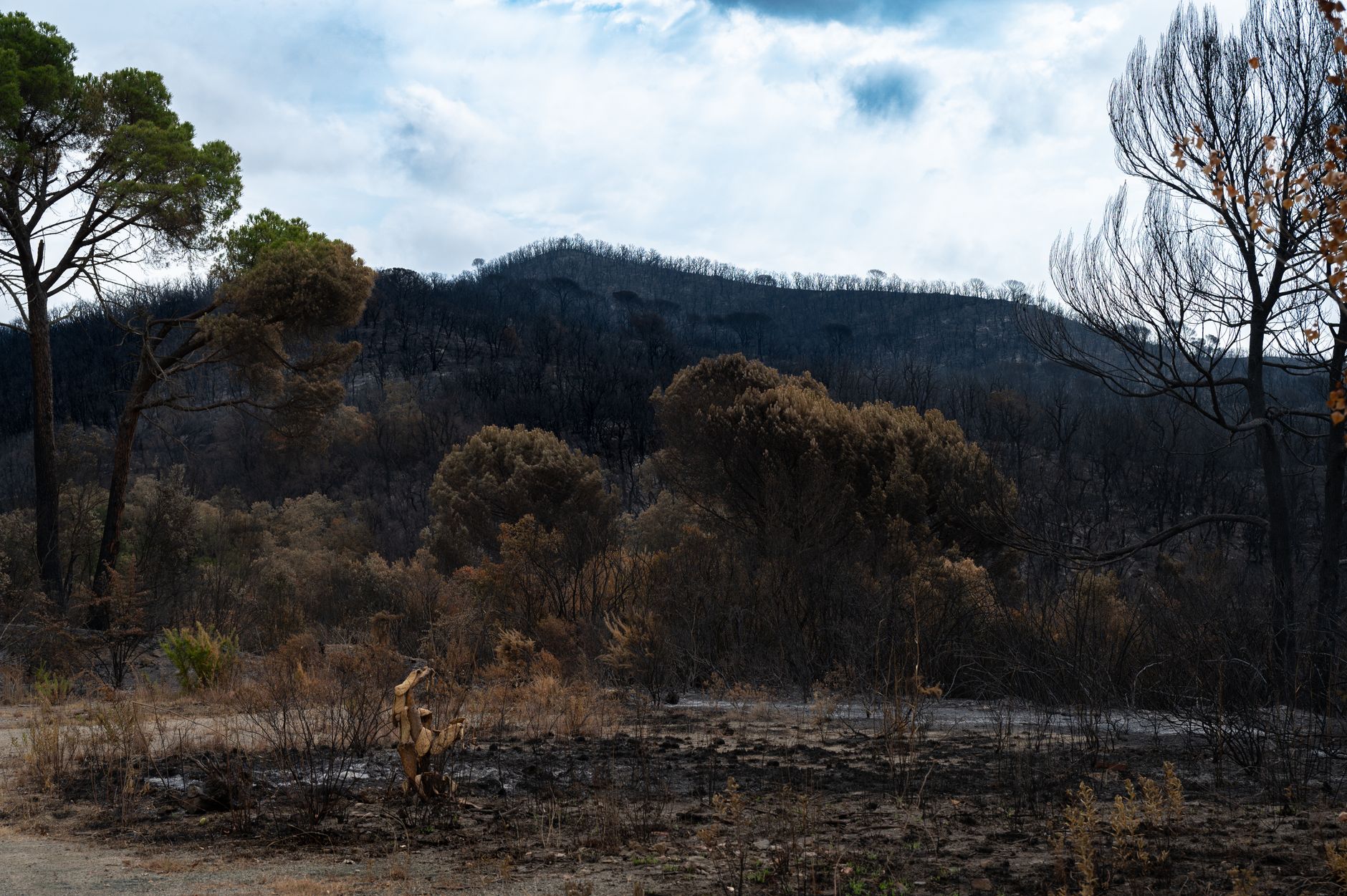
Hero image: Christian Palau / Pexels
Wildfires Climate Change Impact
Reuters’ fact-check examines the dual drivers of wildfires: human ignition and climate change–driven intensification. A synthesis of available reporting shows broad agreement on causes but highlights gaps in how prevention strategies are communicated and implemented.
The claim under scrutiny is whether human activities are the primary cause of wildfire ignitions while climate change amplifies their severity. This distinction matters because policy responses differ depending on whether the focus is on ignition sources or on long-term environmental conditions. To assess the evidence base, this investigation synthesizes Reuters’ fact-check alongside broader patterns in wildfire reporting to evaluate how consistently the causal split is presented and what it implies for prevention and mitigation.
Introduction to Wildfires and Climate Change Context
Wildfires are shaped by two interacting systems: ignition sources, which are predominantly human-driven, and fire behavior, which is increasingly influenced by climate change. The frequency and intensity of wildfires have risen in many regions, with scientific assessments linking longer fire seasons, higher temperatures, and drier fuels to anthropogenic warming. These trends are not uniform across all ecosystems, but the overall pattern suggests a compounding risk where human activity both starts fires and creates conditions for them to spread rapidly.
The distinction between cause and consequence is central to policy and public understanding. Ignition sources—such as unattended campfires, power lines, arson, or discarded cigarettes—are immediate triggers, while climate change acts as a background amplifier by increasing temperatures, reducing humidity, and prolonging dry periods. This dual framework is widely referenced in scientific literature and policy documents, but its communication to the public varies in clarity and emphasis.
Comparing Reuters Reporting on Human Activities and Climate Change
Reuters’ fact-check directly addresses the causal split, stating that human activities ignite most wildfires, while climate change is making them more extreme. This framing aligns with long-standing findings from agencies such as the National Interagency Fire Center (NIFC) and the U.S. Forest Service, which attribute over 80% of wildfires in the United States to human causes in recent years. Reuters’ reporting emphasizes that while ignition sources are diverse—ranging from equipment use to negligence—climate change acts as a force multiplier that transforms routine fires into large, uncontrollable events.
What stands out in Reuters’ account is the explicit separation of ignition (human) from intensification (climate). This is not merely semantic; it reflects a scientific consensus that wildfire risk is best understood as a product of both proximate triggers and systemic environmental change. Other outlets, when covering wildfire attribution, often conflate these layers, leading to public confusion about whether prevention should focus on behavior or climate policy. Reuters’ clarity on this point provides a useful baseline for evaluating how other reporting handles the same distinction.
Divergence in Emphasis Across Outlets
While Reuters’ fact-check centers on the dual drivers, some climate-focused outlets tend to foreground climate change as the dominant narrative, sometimes minimizing the role of human ignition in public-facing summaries. For example, climate advocacy publications often highlight projections of increased fire risk under warming scenarios, which can overshadow immediate prevention measures such as fire bans or power line maintenance. Conversely, regional and emergency management outlets frequently stress human behavior in their risk communications, reflecting their operational focus on ignition control.
This divergence is not a contradiction but a reflection of audience and mandate. Climate-focused media prioritize long-term systemic drivers to mobilize policy action, while emergency services emphasize actionable steps to reduce ignitions. The challenge lies in ensuring that neither narrative eclipses the other in public discourse, as both are necessary for effective wildfire risk management.
The Claim that Climate Change Exacerbates Wildfire Severity
Reuters asserts that climate change is making wildfires more extreme by lengthening fire seasons, increasing fuel dryness, and intensifying fire behavior. This claim is supported by multiple lines of evidence, including satellite data showing earlier snowmelt, longer periods without rain, and higher temperatures during fire seasons. These conditions allow fires to ignite more easily, spread faster, and resist containment, even when ignition sources are controlled.
The mechanism is well-documented: warmer temperatures increase evapotranspiration, drying out vegetation and making it more flammable. Longer fire seasons—sometimes extending by weeks or months—expand the window during which ignitions can lead to large fires. These changes are consistent with climate model projections and observed trends in fire-prone regions such as the western United States, southeastern Australia, and parts of the Mediterranean.
Mechanisms of Amplification
Reuters’ reporting highlights several key mechanisms by which climate change intensifies wildfires:
- Earlier snowmelt: Reduced snowpack leads to earlier soil and vegetation drying, increasing the likelihood of fires starting earlier in the year.
- Higher temperatures: Elevated ambient temperatures raise the energy available to fires, accelerating spread rates and making containment more difficult.
- Increased fuel aridity: Warmer air holds more moisture, pulling water out of plants and dead vegetation, turning landscapes into tinder.
- More extreme weather: While climate change can also increase rainfall in some regions, it intensifies droughts and heatwaves in fire-prone zones, creating ideal conditions for large burns.
These mechanisms are corroborated by peer-reviewed studies and national assessments, including reports from the U.S. National Climate Assessment and the Intergovernmental Panel on Climate Change (IPCC). The consistency across sources strengthens the claim that climate change is not just a background condition but an active driver of worsening wildfire behavior.
Cross-Referencing Findings on Wildfire Causes and Effects
Reuters’ fact-check is consistent with broader scientific assessments on wildfire causes. According to the U.S. Forest Service, approximately 85% of wildfires in the United States are caused by humans, with the remainder ignited by lightning. This statistic is echoed in regional fire reports and emergency management databases, which categorize ignitions by source across thousands of incidents annually.
At the same time, climate science literature supports the claim that climate change is increasing the severity of wildfires. The IPCC’s Sixth Assessment Report notes that “climate change has increased the likelihood and intensity of fire-prone weather conditions in many regions,” particularly in temperate and boreal forests. This conclusion is based on multiple lines of evidence, including observed trends, climate model simulations, and attribution studies that isolate the human fingerprint on warming.
Regional Variations in Causes and Effects
While human ignition dominates in populated areas, lightning-ignited fires are more common in remote or mountainous regions. For example, in Alaska and parts of Canada, lightning accounts for a larger share of wildfire starts, though climate change is still intensifying fire behavior in these ecosystems. This regional variation underscores the importance of tailored prevention and response strategies that account for both ignition sources and environmental conditions.
Moreover, the interaction between human ignition and climate change is not additive but synergistic. A fire started by a downed power line in a drought-stricken forest is far more likely to become catastrophic than one started under average moisture conditions. This compounding effect is a critical factor in understanding why wildfire risk has risen disproportionately in certain regions.
Expert Response to the Growing Threat of Wildfires
Reuters’ fact-check includes expert commentary emphasizing that addressing wildfire risk requires a dual strategy: reducing human-caused ignitions and adapting to climate-driven changes in fire behavior. Fire ecologists and emergency managers interviewed by Reuters stress that while climate adaptation is essential, immediate prevention measures—such as fire bans, equipment restrictions, and public education—can significantly reduce the number of human-caused ignitions.
These experts also note that the public often underestimates the role of human behavior in wildfire starts. Misconceptions persist about the relative contribution of arson, campfires, and power lines, with some attributing most fires to natural causes. Clarifying this distinction is crucial for effective prevention campaigns, particularly in high-risk areas where public cooperation can reduce ignition rates.
Policy Responses and Gaps
Policy responses are beginning to reflect this dual focus. In California, for instance, legislation has targeted both ignition reduction (e.g., power line safety protocols) and climate adaptation (e.g., forest thinning and prescribed burns). However, experts point out that funding and implementation often lag behind the scale of the threat, particularly in rural and underserved communities where resources are limited.
International comparisons reveal similar patterns. In Australia, post-2019 bushfire inquiries emphasized both fuel management and climate resilience, but critics argue that insufficient action has been taken on either front. These gaps highlight the need for integrated policies that address both immediate ignition risks and long-term climate drivers.
Original Analysis of the Pattern Across Sources on Wildfire Prevention
Taken together, the reporting and expert commentary suggest a systemic imbalance in how wildfire prevention is framed and funded. While the scientific consensus clearly distinguishes between human ignition and climate amplification, public discourse and policy often prioritize one over the other depending on the messenger and audience. Climate-focused outlets tend to emphasize systemic drivers to advocate for emissions reductions and long-term adaptation, while emergency services and regional media focus on actionable steps to reduce ignitions. This bifurcation, though understandable, risks creating a false dichotomy: either we prevent ignitions or we address climate change. In reality, both are necessary.
Moreover, the emphasis on climate change in media narratives can inadvertently downplay the role of human behavior in wildfire starts, leading to complacency about prevention. Conversely, an exclusive focus on ignition control without addressing climate change ignores the reality that even well-managed ignition sources can lead to catastrophic fires under worsening environmental conditions. The most effective prevention strategies are those that integrate both dimensions—reducing human-caused ignitions while preparing for a hotter, drier future.
Another pattern worth noting is the lag between scientific consensus and public policy. While the causal split between human ignition and climate amplification has been well-established for years, policy responses often remain fragmented. This suggests a need for clearer communication from scientists and journalists about the urgency of both prevention and adaptation, as well as more coordinated funding mechanisms that address both sides of the wildfire risk equation.
What to Do About the Increasing Risk of Wildfires
Addressing the rising threat of wildfires requires a coordinated strategy that integrates prevention, preparedness, and adaptation. The first step is to reduce human-caused ignitions through targeted measures such as stricter enforcement of fire bans, improved power line maintenance, and public education campaigns. These actions can directly lower the number of wildfires, particularly in high-risk zones near wildland-urban interfaces.
Second, communities and land managers must adapt to the realities of a warming climate by increasing fuel reduction efforts, such as prescribed burns and mechanical thinning, to decrease the intensity of fires when they do occur. These measures are most effective when combined with climate-resilient land-use planning, including defensible space requirements and building codes that reduce fire vulnerability.
Third, emergency response systems must be strengthened to handle larger and more frequent fires. This includes investing in early detection technologies, expanding firefighting capacity, and improving evacuation planning in high-risk areas. Regional coordination is particularly important, as fires often cross jurisdictional boundaries.
Finally, long-term climate action is essential to reduce the severity of future wildfires. While individual prevention measures can mitigate risk, they cannot offset the compounding effects of rising temperatures and prolonged droughts. Policymakers must integrate wildfire risk into broader climate adaptation and mitigation strategies, ensuring that emissions reductions are pursued alongside resilience measures.
Community and Individual Actions
Individuals living in or near fire-prone areas can take several steps to reduce risk:
- Adhere to local fire restrictions, including bans on open flames and fireworks.
- Maintain defensible space around homes by clearing vegetation and using fire-resistant landscaping.
- Prepare an emergency plan that includes evacuation routes and supply kits.
- Report signs of smoke or fire immediately to authorities.
These actions, while simple, can collectively reduce the number of human-caused ignitions and improve community resilience in the face of worsening fire conditions.
Red Flags in Wildfire Reporting and Information Dissemination
- Overemphasis on climate change without acknowledging human ignition sources. This can lead to a misplaced focus on long-term policy solutions while neglecting immediate prevention measures.
- Attributing all wildfires to climate change. While climate change intensifies fires, most ignitions are human-caused; conflating the two obscures actionable prevention strategies.
- Citing anecdotal evidence without context. Reports that highlight a single large fire as evidence of a trend, without reference to broader data, can mislead the public about underlying causes.
- Ignoring regional variations in fire causes and risks. Wildfire dynamics differ by ecosystem; a one-size-fits-all narrative can obscure local realities.
- Failing to distinguish between correlation and causation. For example, linking a specific fire to climate change without attribution studies can distort public understanding.
- Using sensational language without evidence. Terms like “megafire” or “apocalyptic” without quantitative backing can amplify fear without clarifying risk.
- Omitting expert consensus or conflicting evidence. Balanced reporting should acknowledge where scientific debate exists, particularly in emerging areas of research.
- Promoting unproven solutions without scrutiny. Claims about novel technologies or policies should be evaluated against peer-reviewed evidence and real-world outcomes.
Red Flags Checklist for Readers
When evaluating wildfire reporting, readers should watch for these specific warning signs that may indicate unreliable or misleading information:
- Headlines that attribute every wildfire to climate change without specifying ignition sources.
- Graphics or maps that imply uniform risk across regions without acknowledging local differences in climate, vegetation, or human activity.
- Quotes from non-experts or advocacy groups presented as definitive without corroboration from fire scientists or land managers.
- Lack of attribution for key claims, particularly those involving projections or causal links.
- Use of absolute language (“all wildfires are worsening due to climate change”) without caveats or regional nuance.
- Failure to distinguish between fire frequency, size, and severity—three distinct metrics that are often conflated.
- Promotion of commercial or political agendas under the guise of objective reporting, such as endorsing specific forest management products without evidence.
FAQ
Are most wildfires caused by humans or by climate change?
Most wildfires are ignited by human activities, such as unattended campfires, power lines, arson, or discarded cigarettes. Climate change, however, is making these fires more severe by creating hotter, drier conditions that allow them to spread faster and burn longer.
Does climate change increase the number of wildfires?
Climate change does not necessarily increase the number of wildfires in all regions, but it does increase the likelihood of extreme fire weather—conditions that make fires more likely to start and spread rapidly. In some areas, the total number of fires may remain stable or even decrease, but the fires that do occur are more likely to be large and destructive.
Can reducing human-caused ignitions significantly lower wildfire risk?
Yes. Studies and operational data show that a substantial portion of wildfires could be prevented through better public behavior, stricter enforcement of fire bans, improved power line safety, and targeted education campaigns. While climate change will continue to intensify fire conditions, reducing ignitions can lower the overall number of fires and their severity.
What role do prescribed burns play in wildfire prevention?
Prescribed burns—controlled fires set under specific conditions—are a key tool for reducing fuel loads and preventing the buildup of flammable vegetation. When used appropriately, they can decrease the intensity of wildfires by removing excess fuel. However, they must be carefully managed to avoid unintended consequences, such as air quality impacts or escaped fires.
How can communities prepare for worsening wildfire conditions?
Communities can prepare by creating defensible space around homes, developing evacuation plans, investing in early warning systems, and participating in community fire preparedness programs. Local governments can also update building codes, improve emergency communication systems, and coordinate regional response efforts to address the growing threat.