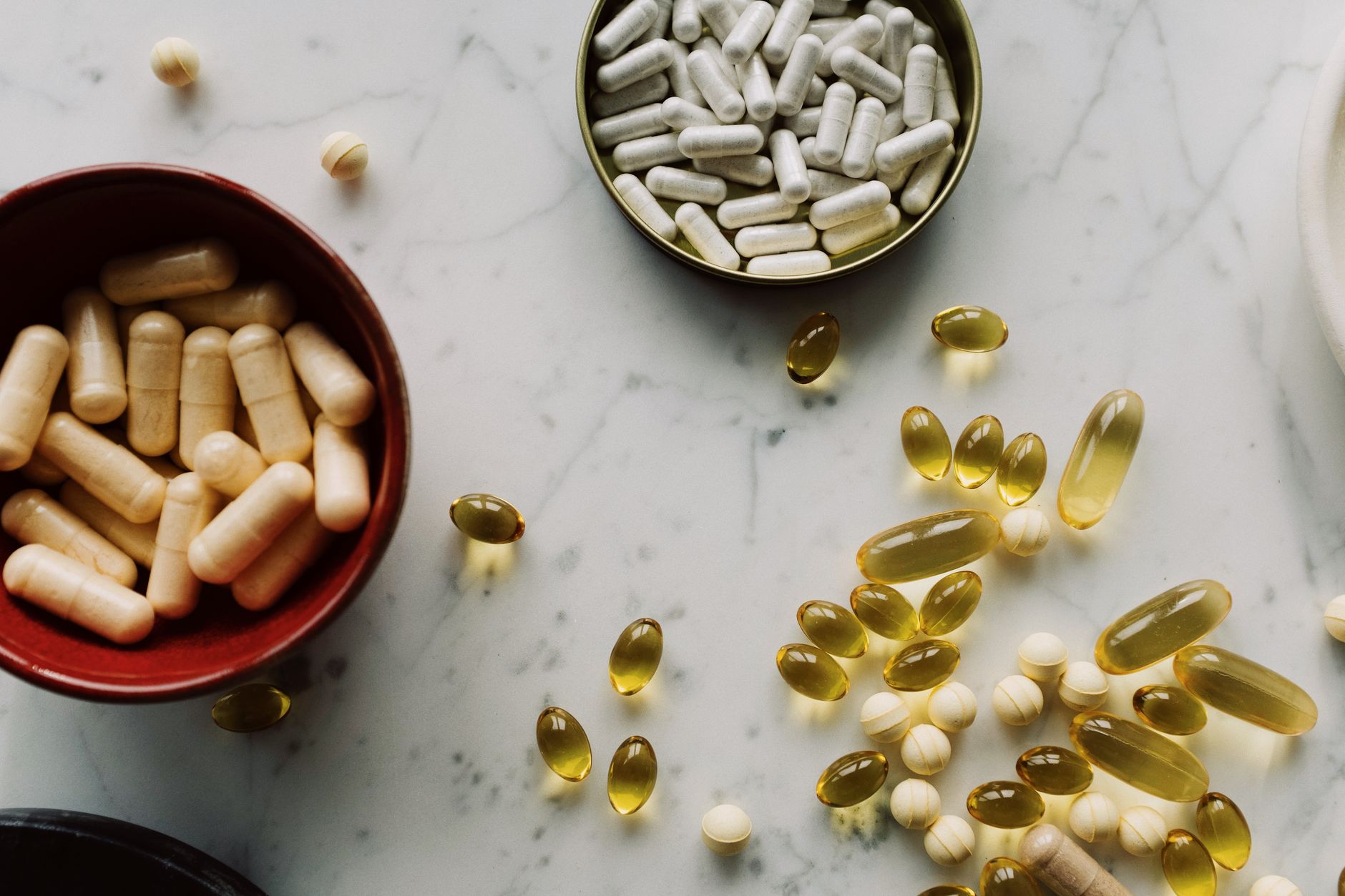
Hero image: ready made / Pexels
Choosing High-Quality Supplements: GoodRx Pharmacist Tips
Navigating the dietary supplement market requires a rigorous, evidence-based approach to cut through clever marketing and unverified health claims. A recent publication from GoodRx outlines pharmacist-backed strategies designed to help consumers evaluate product quality and safety. This investigation examines those claims against industry standards to establish how buyers can protect their health and finances.
The dietary supplement industry operates in a unique space between food and medicine, occupying a multi-billion-dollar market where products line pharmacy shelves, grocery aisles, and online storefronts. Millions of individuals turn to vitamins, minerals, and herbal products daily to support their health, fill nutritional gaps, or manage specific wellness goals. However, unlike prescription medications that undergo strict pre-market clinical trials for safety and efficacy by regulatory bodies, dietary supplements face a different level of oversight. Because of this regulatory gap, consumers are frequently left to navigate a labyrinth of bold health claims, enticing labels, and varying degrees of product purity. Understanding how to critically evaluate these products is essential for personal safety and economic prudence. GoodRx recently addressed this challenge by publishing pharmacist-backed recommendations aimed at helping consumers identify reliable products. This report investigates those guidelines, analyzing the structural realities of supplement manufacturing, the presence of misleading marketing tactics, and the practical steps individuals can take to make informed decisions.
Context and the Dietary Supplement Landscape
To understand the importance of pharmacist-backed guidance, one must examine the regulatory framework governing dietary supplements. In many major markets, including the United States, dietary supplements are regulated under the Dietary Supplement Health and Education Act (DSHEA) of 1994. Under this framework, manufacturers are primarily responsible for ensuring that their products are safe before they are marketed. Crucially, regulatory agencies like the Food and Drug Administration do not typically approve dietary supplements for safety or effectiveness prior to their sale. This post-market surveillance model means that products can reach consumers without independent verification of their contents, potency, or purity.
This structural reality creates an environment where product quality can vary dramatically from one brand to another, or even between different batches from the same manufacturer. While many reputable companies implement rigorous voluntary quality control measures, others may fall short. Issues such as ingredient adulteration, contamination with heavy metals or undeclared pharmaceutical ingredients, and discrepancies between label claims and actual contents have been documented across the industry. Consumers often assume that if a product is sold on a mainstream retail shelf, it must have been thoroughly tested by an independent authority. Dispelling this misconception is a fundamental goal of guidance provided by healthcare professionals, including the insights shared by GoodRx.
The marketplace is further complicated by the sheer volume of available choices. From single-ingredient vitamins to complex herbal blends marketed for energy, immune support, cognitive enhancement, and longevity, the options are vast. Aggressive marketing campaigns frequently leverage scientific-sounding terminology, vague wellness promises, and anecdotal testimonials to build consumer trust. In this climate, relying on structural markers of quality—such as third-party testing, transparent labeling, and professional consultation—becomes the primary line of defense for the health-conscious consumer.
The Pharmacist-Backed Claims Analyzed by GoodRx
GoodRx highlighted several key strategies recommended by pharmacists to help consumers separate high-quality supplements from substandard offerings. According to GoodRx, one of the foremost recommendations is to look for independent third-party certification seals on product labels. These seals indicate that an external organization has tested the product to verify that it contains the ingredients listed on the label in the declared potency, and that it is free of harmful levels of contaminants such as lead, mercury, or microbial pathogens. Organizations commonly recognized for providing such verification include the United States Pharmacopeia, NSF International, and ConsumerLab.com.
Another central claim emphasized in the GoodRx guidance involves evaluating the transparency and accuracy of product labeling. Pharmacists advise consumers to scrutinize ingredient lists for proprietary blends that conceal the specific amounts of individual components. When a manufacturer groups ingredients together under a single proprietary blend heading, it is impossible for the consumer—or their healthcare provider—to determine if an effective or safe dose of any given ingredient is actually present. Furthermore, GoodRx underscores the necessity of consulting a qualified healthcare professional, such as a pharmacist or primary care physician, before starting any new supplement regimen, particularly for individuals taking prescription medications or managing chronic health conditions.
The analysis of these claims reveals a practical framework grounded in risk mitigation. By focusing on verifiable quality markers rather than marketing language, the guidance aims to address the inherent vulnerabilities of a self-regulated market. However, adopting these practices requires consumers to develop a critical eye toward product labeling and an awareness of common industry pitfalls. The following sections explore the underlying evidence supporting these pharmacist recommendations and examine the marketing mechanisms that make such guidance necessary.
What the Evidence Shows About Supplement Quality
Independent investigations and laboratory analyses consistently demonstrate that supplement quality is not guaranteed by attractive packaging or prominent health claims. Studies conducted by consumer testing organizations and academic researchers frequently reveal significant discrepancies between what is printed on a supplement label and what is found inside the bottle. These discrepancies typically fall into a few well-documented categories: under-potency, over-potency, ingredient substitution, and contamination.
Under-potency occurs when a product contains a substantially lower amount of the active ingredient than claimed, meaning the consumer is not receiving the intended dose. Conversely, over-potency presents serious health risks, particularly with fat-soluble vitamins and certain minerals where excessive intake can lead to toxicity. Ingredient substitution is another documented issue, particularly within the herbal supplement sector, where expensive botanicals may be replaced partially or entirely by cheaper plant material. Furthermore, contamination remains a persistent concern. Independent testing has occasionally identified heavy metal contamination in herbal products and mineral supplements, as well as undeclared prescription drugs slipped into weight-loss and bodybuilding formulations.
In contrast, products that carry verified third-party certification marks demonstrate a much higher rate of compliance with label claims and purity standards. Independent testing organizations purchase products off retail shelves and subject them to rigorous laboratory assays. If a product fails to meet the required specifications, the manufacturer is denied the certification seal or required to reformulate. Therefore, the evidence strongly supports the primary GoodRx recommendation: third-party certification is one of the most reliable indicators of product quality available to the retail consumer.
How Misinformation and Marketing Spread in the Industry
The dietary supplement market thrives on marketing narratives that often outpace scientific evidence. Understanding how misinformation spreads in this sector requires looking at the psychological and commercial drivers that influence consumer behavior. Manufacturers often utilize persuasive language, pseudoscientific jargon, and fear-based messaging to create urgency and loyalty among potential buyers.
The Appeal to Nature Fallacy
A prevalent marketing tactic in the supplement industry is the appeal to nature fallacy—the implicit or explicit claim that because a substance is derived from a natural source, it is inherently safe, superior, and free from side effects. Herbal extracts, botanical powders, and animal glandular products are frequently marketed using this framing. In reality, natural substances can be pharmacologically potent, interact negatively with prescription medications, and cause adverse health effects. Hemlock and nightshade are entirely natural, yet toxic; similarly, high doses of natural green tea extract have been linked to liver injury in rare cases.
Testimonials and Anecdotal Evidence
Marketing materials for supplements often rely heavily on personal testimonials rather than peer-reviewed clinical data. While individual user experiences can be compelling, they do not constitute scientific proof of efficacy. Anecdotes are vulnerable to placebo effects, the natural course of self-limiting illnesses, and confirmation bias. When promotional campaigns highlight dramatic success stories without acknowledging the lack of robust clinical trials, they mislead consumers into overestimating a product’s benefits.
Vague Health Claims and Regulatory Loopholes
Because regulatory bodies generally prohibit dietary supplement manufacturers from claiming that their products can diagnose, treat, cure, or prevent specific diseases, marketers have developed sophisticated ways to imply health benefits without crossing legal boundaries. Phrases like supports immune health, promotes mental clarity, and boosts energy are legally permissible because they refer to general structure-function relationships rather than disease treatment. However, consumers often interpret these vague claims as definitive medical promises, leading to misplaced trust in unproven products.
Red Flags and Evaluation Checklist for Consumers
To assist consumers in identifying substandard or deceptive supplement products, the following checklist outlines key warning signs and legitimate quality signals based on GoodRx pharmacist recommendations and industry standards.
Red Flags: Warning Signs to Avoid
- Miraculous Claims: Promises of rapid, dramatic weight loss, miraculous cures, or reversal of chronic diseases without lifestyle changes.
- Proprietary Blends with Hidden Doses: Grouping multiple active ingredients together under a single weight heading without disclosing individual amounts.
- Lack of Manufacturer Contact Information: Absence of a verifiable physical address, customer service phone number, or legitimate website for the company.
- Exclusively Online Direct-to-Consumer Sales: Products sold solely through pop-up social media advertisements rather than established, reputable retailers or pharmacies.
- Absence of Third-Party Seals: No indication of independent testing or certification by organizations such as USP, NSF, or ConsumerLab.
Legitimate Signals: Indicators of Quality
- Independent Certification Seals: Display of recognized third-party verification marks on the product label.
- Full Ingredient Transparency: Clear disclosure of the exact dosage and standardization of every active ingredient.
- Lot Numbers and Expiration Dates: Clearly printed tracking numbers and expiration dates ensuring accountability and freshness.
- Professional Recommendation: Endorsement or clearance from a qualified pharmacist, physician, or registered dietitian.
| Evaluation Criteria | Low-Quality Indicator | High-Quality Indicator |
|---|---|---|
| Ingredient Disclosure | Proprietary blends with hidden quantities | Exact dosages listed for every component |
| Quality Verification | No testing information provided | Third-party certification seals (USP, NSF) |
| Marketing Language | Guaranteed miracle cures and rapid fixes | Balanced, structure-function descriptions |
| Manufacturer Accountability | Anonymous seller with no physical address | Transparent company info with customer support |
Institutional and Professional Responses to Supplement Claims
Medical and public health institutions increasingly emphasize the need for rigorous scrutiny of dietary supplements. Organizations such as the American Medical Association, the National Institutes of Health, and various pharmacist associations regularly publish advisories warning against unverified health claims and highlighting the importance of professional consultation. These institutions point out that while certain supplements—such as folic acid during pregnancy or specific vitamin deficiencies diagnosed through blood work—provide clear, evidence-based benefits, routine supplementation for the general population is often unnecessary and occasionally risky.
Pharmacists play a frontline role in these institutional efforts. Positioned within community and clinical settings, pharmacists are uniquely trained to evaluate drug-supplement interactions. Many herbal products and high-dose vitamins can alter the metabolism of prescription medications, either diminishing their therapeutic effectiveness or increasing the risk of adverse side effects. For instance, St. John’s wort is well-documented to interact adversely with numerous medications, including anticoagulants, oral contraceptives, and antidepressants. Institutional guidelines consistently urge patients to disclose all supplement use to their healthcare providers to prevent such complications.
Regulatory and enforcement agencies also intervene when manufacturers cross the line from dietary supplements into unapproved pharmaceutical products. Regulatory bodies periodically issue warning letters to companies making illegal disease-treatment claims or selling adulterated products. However, due to the sheer volume of products entering the global market, enforcement is largely reactive rather than preventative. This reality reinforces why pharmacist-backed guidance and consumer vigilance remain the most effective tools for ensuring safety.
Practical Steps for Making Informed Supplement Choices
Applying evidence-based principles to daily supplement purchasing involves a systematic process. Consumers can follow a structured approach to minimize health risks and financial waste:
First, establish a genuine nutritional need before purchasing any supplement. Routine blood tests ordered by a qualified healthcare professional can identify actual deficiencies in vitamins or minerals, ensuring that supplementation targets a diagnosed problem rather than a perceived one driven by marketing. If a deficiency is confirmed, a physician or registered dietitian can recommend the appropriate dosage and formulation.
Second, when a supplement is deemed necessary, research brands carefully. Prioritize manufacturers that adhere to current Good Manufacturing Practices and display independent third-party certification seals on their packaging. Checking independent consumer advocacy databases can also provide objective reviews of specific product brands.
Third, maintain open communication with a pharmacist or primary care physician. Bring a complete list of all current supplements, vitamins, and prescription medications to medical appointments. Pharmacists are exceptionally well-equipped to review this list for potential adverse interactions, correct dosages, and product quality concerns, ensuring that a supplement regimen supports rather than compromises overall health.
Frequently Asked Questions on Choosing Supplements
Are dietary supplements tested and approved by the government before they are sold?
No. Unlike prescription drugs, dietary supplements do not require pre-market approval from regulatory agencies for safety and efficacy. Manufacturers are responsible for ensuring product safety, while regulatory bodies typically intervene only after unsafe or mislabeled products are already on the market.
What do third-party certification seals actually verify?
Third-party certification seals from organizations like USP, NSF, or ConsumerLab indicate that an independent laboratory has tested the product to confirm it contains the ingredients listed on the label in the correct amounts, and that it is free from dangerous levels of contaminants.
Why are proprietary blends on supplement labels problematic?
Proprietary blends group multiple ingredients together under a single total weight, hiding the specific amount of each individual component. This makes it impossible for consumers or healthcare providers to determine if an effective or safe dose of a particular ingredient is present.
Can natural supplements cause side effects or interact with medications?
Yes. Being natural does not mean a substance is automatically safe. Many herbal and botanical supplements are biologically active and can cause adverse side effects or dangerously interact with prescription medications such as blood thinners and blood pressure drugs.
How can I find out if I actually need to take a vitamin or supplement?
The most reliable method is to consult a qualified healthcare provider and undergo diagnostic blood work to identify any genuine nutritional deficiencies. Supplementing based on blood test results ensures you are addressing a real health need rather than following unverified marketing trends.