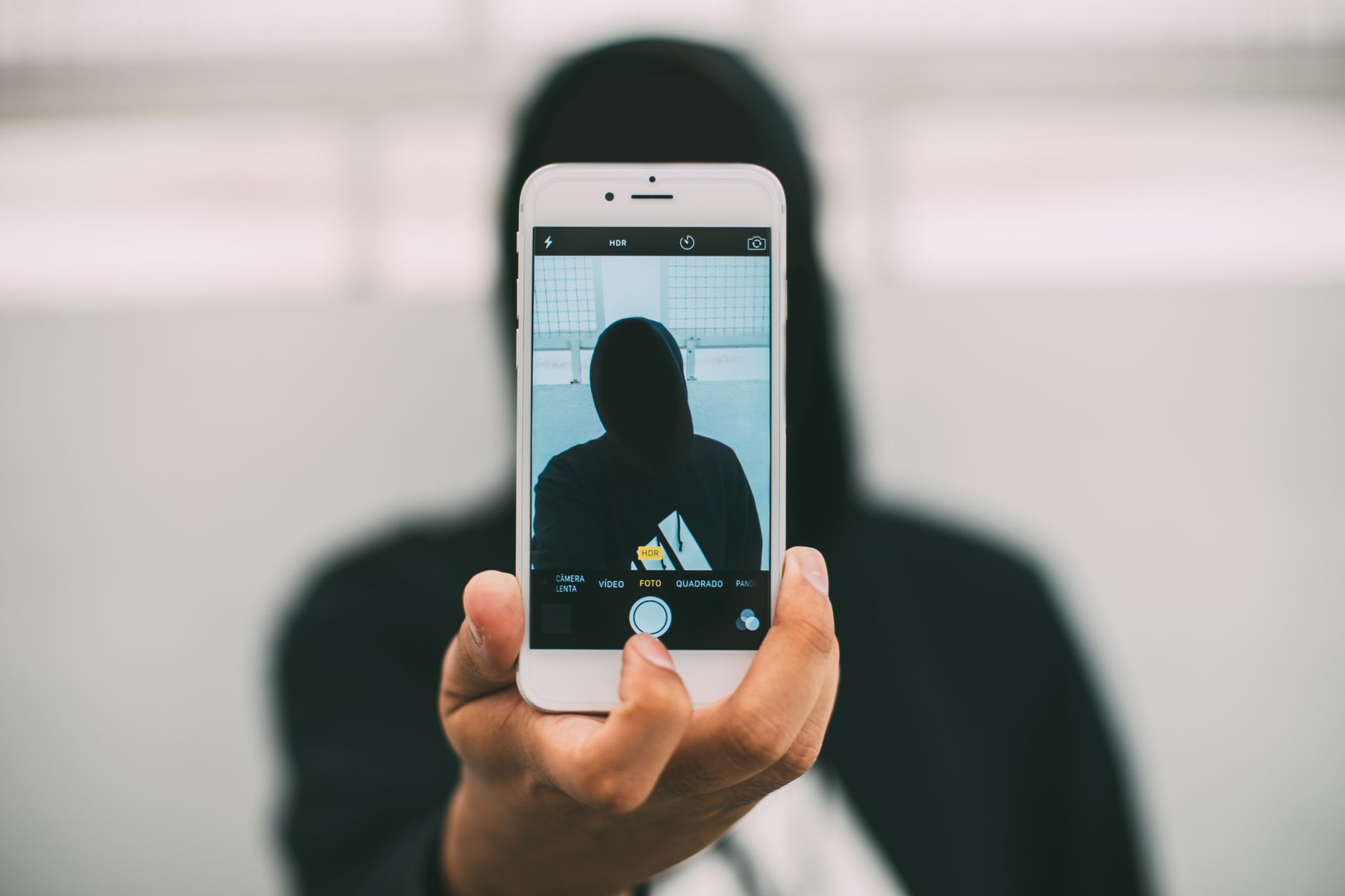
Hero image: Kaique Rocha / Pexels
Deepfake Scam Cost 88-Year-Old $450K as Bank Denies Refund
An 88-year-old Canadian senior recently lost $450,000 to an advanced deepfake scam, highlighting critical gaps in financial institution protections. Yahoo! Finance Canada detailed how current regulatory frameworks leave victims of AI-generated fraud without recourse as banks refuse to reimburse stolen funds.
The rapid evolution of artificial intelligence has transitioned from a theoretical technological marvel into a severe financial hazard for vulnerable populations. As synthetic media becomes indistinguishable from reality, criminal enterprises are deploying sophisticated audio and visual cloning techniques to execute high-value financial crimes. A recent case involving an 88-year-old Canadian who suffered a $450,000 loss exposes the stark inadequacy of consumer protection frameworks within the traditional banking sector. This investigation examines the mechanisms of the fraud, the structural limitations of Canada’s banking rules, and the escalating tension between institutional liability and personal responsibility in the age of generative artificial intelligence.
Introduction to the Deepfake Scam Crisis in Canada
Financial fraud has undergone a structural transformation over the past decade, moving away from crude phishing emails and stolen credit card numbers toward hyper-personalized, technologically augmented deception. The deployment of deepfake technology—synthetic audio and video generated by neural networks—represents a generational leap in the sophistication of social engineering. Fraudsters no longer need to rely solely on textual manipulation or unconvincing phone calls; they can now simulate the likeness, voice, and mannerisms of trusted figures, corporate executives, or family members with terrifying accuracy. This shift has turned everyday communication channels into vectors for multi-hundred-thousand-dollar thefts.
In Canada, this technological convergence has collided with a rigid and outdated banking regulatory framework. When an 88-year-old individual lost $450,000 to a deepfake scam, the incident served as a wake-up call regarding the systemic vulnerabilities inherent in modern digital finance. As reported by Yahoo! Finance Canada, the victim found themselves entirely unprotected by existing institutional safety nets. While banks invest heavily in cybersecurity to protect their own ledgers, individual account holders are frequently left to navigate sophisticated psychological and technological traps without adequate institutional backing or financial recovery options.
The implications of this case extend far beyond a single tragic loss. It raises fundamental questions about the fiduciary responsibilities of financial institutions in an era where identity verification can be entirely bypassed through synthetic media. As generative AI tools become accessible to malicious actors worldwide, Canadian regulators and banking executives face mounting pressure to redefine liability. Without structural reform, the financial burden of advanced technological fraud will continue to fall disproportionately on elderly citizens and other vulnerable demographics who are ill-equipped to distinguish between authentic communications and high-fidelity algorithmic fabrications.
How the $450,000 Deepfake Fraud Unfolded
The Initial Contact and Trust Building
The mechanics of the $450,000 deepfake fraud followed a meticulously planned trajectory designed to bypass the victim’s natural skepticism. According to the reporting by Yahoo! Finance Canada, the perpetrators initiated contact by establishing a false sense of urgency and authority, leveraging publicly available personal data to construct a believable narrative. By mapping out the victim’s familial relationships and financial standing, the scammers laid the psychological groundwork necessary to make subsequent high-pressure demands appear credible and authorized.
The Deployment of Synthetic Audio and Visuals
The defining characteristic of this multi-hundred-thousand-dollar theft was the integration of deepfake technology to convince the 88-year-old victim of the legitimacy of the request. Utilizing advanced AI models capable of cloning voices from short audio samples, the fraudsters impersonated trusted entities during critical interactions. The use of synthetic media obliterated the traditional auditory cues that consumers have relied upon for generations to detect fraud, such as background noise, vocal timbre inconsistencies, or unfamiliar accents.
Execution of the Multi-Transaction Transfer
Over a series of communications, the perpetrators directed the senior to execute large financial transfers totaling $450,000. Because the victim genuinely believed they were participating in a secure, authorized process dictated by trusted figures, they authorized the movements themselves. This self-authorization mechanism is precisely what distinguishes modern deepfake scams from traditional account takeovers, creating a complex legal gray area regarding bank liability and consumer protection enforcement.
Examining Current Canadian Banking Regulations and Rules
The regulatory architecture governing Canadian banking operations was largely designed for an era of physical branches, paper checks, and conventional wire transfers. Regulatory bodies such as the Financial Consumer Agency of Canada (FCAC) enforce consumer protection frameworks that delineate responsibilities between account holders and financial institutions. However, these rules draw a sharp legal distinction between unauthorized transactions—where a hacker breaches an account and steals funds—and authorized transactions, where the account holder initiates the transfer under false pretenses.
Under current interpretations of Canadian banking regulations, when a customer willingly authorizes a transfer, even if manipulated by sophisticated psychological or technological deception, the transaction is frequently categorized as valid. Financial institutions argue that their internal systems functioned properly because the account holder authenticated the movement of funds using multi-factor authentication, security questions, or explicit verbal confirmation. This strict adherence to procedural compliance leaves a massive loophole, ignoring the reality that the authenticator themselves has been cognitively compromised or technologically deceived.
Furthermore, Canadian banks operate under liability guidelines that place the onus of verification squarely on the consumer once initial authentication credentials are provided. While banks are mandated to monitor accounts for unusual activity patterns, highly targeted deepfake scams often bypass these automated filters because the transaction volumes and destinations are manipulated to mimic legitimate, albeit atypical, financial planning or emergency expenses. Consequently, the regulatory status quo protects institutions from financial loss while exposing individual depositors to catastrophic, life-altering vulnerabilities.
Why the Bank Refuses to Return the Funds
The Legal Distinction of Authorization
The primary justification provided by financial institutions for denying refunds in deepfake scam cases is the legal doctrine of customer authorization. As detailed in the coverage by Yahoo! Finance Canada, because the 88-year-old victim executed the transfers of their own volition—albeit under the influence of fraudulent synthetic media—the bank classifies the event as a completed, authorized contract between the customer and the recipient.
Contractual Terms of Service and Disclaimers
Standard bank account agreements contain extensive clauses that shift the risk of social engineering onto the consumer. These terms typically stipulate that the account holder is solely responsible for verifying the identity of recipients and maintaining the confidentiality of their account usage. Institutions maintain that they cannot reasonably act as arbiters of the truthfulness of every conversation or instruction a customer engages in outside of direct bank channels.
Absence of Regulatory Mandates for Synthetic Fraud
Without specific legislative mandates requiring banks to absorb losses stemming from AI-driven social engineering, financial institutions have little commercial incentive to voluntarily reimburse hundreds of thousands of dollars. Executives maintain that establishing a precedent of refunding authorized transfers—regardless of the deception involved—would create an unmanageable moral hazard and unsustainable operational costs. As a result, the bank maintains its stance that not a single penny of the $450,000 will be returned under current rules.
The Growing Threat of AI-Generated Financial Scams
The case of the 88-year-old Canadian is not an isolated anomaly but a bellwether for a broader, escalating crisis in digital finance. As generative artificial intelligence democratizes access to sophisticated creation tools, the barrier to entry for executing complex financial frauds has dropped precipitously. Bad actors no longer require vast financial resources or elite technical teams to generate convincing audio and video replicas of real people; affordable software and readily available online media clips are sufficient.
This technological democratization has coincided with an increasingly digitized financial ecosystem. With fewer transactions occurring in physical bank branches where tellers can observe distress or hesitation, the digital interface acts as a frictionless conduit for fraud. Scammers exploit this lack of human friction by cultivating deep psychological dependencies over days or weeks, culminating in rapid, irreversible digital transfers. The sheer scale of capital moving through these channels makes AI-generated scams an extraordinarily lucrative criminal enterprise.
Moreover, demographic shifts compound the severity of this threat. Aging populations often possess significant accumulated wealth built over a lifetime of labor, making them prime targets for high-value scams. At the same time, older demographics may be less familiar with the rapid evolution of generative AI capabilities, rendering them more trusting of audio and visual representations that younger generations might approach with skepticism. The intersection of accumulated wealth, demographic vulnerability, and unstoppable technological progress creates an urgent systemic crisis.
| Fraud Characteristic | Traditional Scam Model | Modern Deepfake Scam Model |
|---|---|---|
| Primary Medium | Text-based phishing, poor-quality voice calls | High-fidelity synthetic audio and cloned video |
| Victim Engagement | Impersonal mass emails, bulk robocalls | Hyper-personalized, multi-week psychological manipulation |
| Authorization Status | Often unauthorized account takeover | Explicitly customer-authorized under false pretenses |
| Detection Difficulty | Low (obvious grammatical errors, fake domains) | High (indistinguishable human likeness and voice) |
Institutional and Regulatory Responses to Deepfake Fraud
The inadequacy of current banking rules has triggered intense debate among policymakers, consumer advocates, and financial regulators regarding the need for systemic reform. Consumer advocacy groups argue that treating deepfake-induced transfers the same as voluntary, rational financial decisions is fundamentally unjust. They are pushing for regulatory updates that would compel banks to implement enhanced friction mechanisms, such as mandatory waiting periods or secondary in-person verifications for large, uncharacteristic transfers initiated by seniors.
In response to mounting public scrutiny, some financial institutions are exploring advanced behavioral biometric monitoring and AI-driven fraud detection systems designed to identify signs of psychological coercion or unusual conversational stress during digital banking interactions. However, the implementation of these technologies remains inconsistent. Furthermore, banks are resisting proposals that would automatically shift liability onto them for authorized transfers, arguing that such a shift would disincentivize consumer vigilance and overwhelm institutional resources.
Legislative bodies in various jurisdictions are beginning to examine whether existing consumer protection laws are fit for the age of generative AI. Proposals include establishing a centralized compensation fund for victims of advanced technological fraud, financed jointly by financial institutions and telecommunications companies whose networks facilitate the scams. Until these regulatory frameworks evolve to catch up with technological reality, victims of deepfake fraud will remain caught in a jurisdictional and financial vacuum.
How Consumers Can Protect Themselves Against Advanced Deception
Given that institutional safety nets currently fail to protect victims of deepfake fraud, consumers—particularly vulnerable seniors and their families—must adopt rigorous defensive protocols. Awareness of the mechanics of synthetic media is the first line of defense against sophisticated social engineering campaigns.
Red Flags Checklist for Advanced Financial Scams
- Demands for absolute secrecy or instructions not to discuss financial transactions with family members or bank staff.
- Unsolicited communications from family members or authorities claiming an urgent emergency requiring immediate wire transfers.
- Pressure to move large sums of money to unfamiliar accounts, cryptocurrency wallets, or government-safe holding accounts.
- Sudden changes in how a known contact communicates, including a refusal to speak via alternative, pre-established phone numbers.
- Vague explanations regarding why standard banking verification procedures cannot be utilized.
- The presence of subtle digital glitches in audio or video calls, such as unnatural pauses, robotic vocal cadence, or visual blurring around the face.
Implementing a strict family verification protocol can also mitigate risks. Establishing a unique verbal password or pre-agreed security question that cannot be guessed or synthesized from public social media profiles ensures that identity can be confirmed independently of voice or video feeds. If an urgent financial request is received, the golden rule remains halting the process and calling the purported sender back using a verified, independent phone number.
Frequently Asked Questions Regarding Deepfake Scams and Bank Liability
What is a deepfake scam?
A deepfake scam is a form of advanced financial fraud where criminals use artificial intelligence to generate synthetic audio, video, or images mimicking a trusted person—such as a relative, executive, or government official—to deceive victims into transferring money or surrendering sensitive information.
Why won’t the bank refund the $450,000 lost by the 88-year-old victim?
Under current Canadian banking regulations, financial institutions categorize transfers executed directly by the account holder as authorized transactions. Because the victim willingly initiated the transfers under the influence of deception, the bank holds no legal liability to reimburse the lost funds.
Are banks legally required to protect customers from AI-generated fraud?
Currently, Canadian banking rules do not explicitly mandate that financial institutions absorb losses resulting from sophisticated social engineering or deepfake manipulation if the customer completed the authentication and transfer steps themselves.
How can I tell if a phone call or video is a deepfake?
Detecting high-end deepfakes visually and audibly is increasingly difficult, but warning signs include unnatural vocal inflection, lack of normal background noise, reluctance to answer unexpected callback numbers, and an overwhelming sense of artificial urgency.
What steps should victims of deepfake financial scams take immediately?
Victims should immediately contact their financial institution to freeze remaining accounts, report the incident to local law enforcement and anti-fraud agencies, and notify relevant credit bureaus to safeguard against secondary identity theft.