
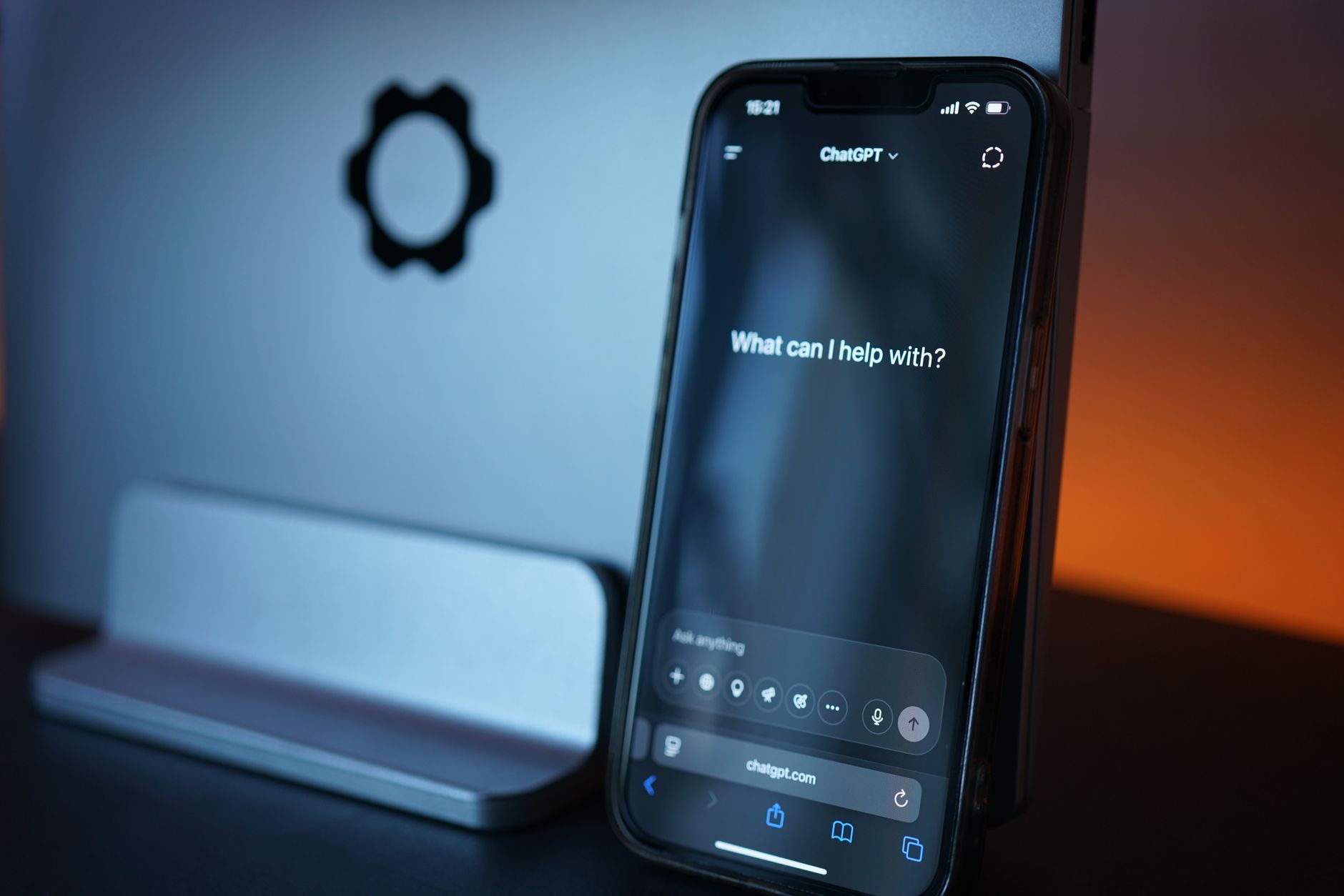
Imagen principal:Tim Witzdam / Pexels
Estudio de hallazgos sobre construcción de confianza: Chatbots de IA vs. Estafadores humanos
Nuevos estudios de KnowBe4 sugieren que los chatbots de IA podrían ser más efectivos que los estafadores humanos para generar confianza en víctimas potenciales, lo que plantea preocupaciones sobre la escalabilidad de las tácticas de manipulación en el fraude digital. Los hallazgos destacan cómo la IA conversacional puede imitar la empatía y adaptar las respuestas en tiempo real, reduciendo potencialmente la desconfianza de los usuarios en interacciones fraudulentas.
En agosto de 2026, KnowBe4 publicó un informe que examina la efectividad de los chatbots de IA en la construcción de confianza en comparación con estafadores humanos. El estudio ha generado discusión en el ámbito de la ciberseguridad y la protección al consumidor, con cobertura inicial que destaca las implicaciones del ingeniería social impulsado por IA. Esta síntesis examina las afirmaciones principales del informe, cómo diferentes medios han presentado los hallazgos y qué evidencia realmente muestra sobre el papel de los chatbots de IA en las estafas modernas. También incluye una lista práctica para consumidores y un análisis de por qué la IA puede ser especialmente efectiva en la manipulación.
—
Chatbots de IA y confianza: Lo que afirma el informe de KnowBe4
El informe de KnowBe4 afirma que los chatbots de inteligencia artificial pueden establecer confianza de manera más rápida y consistente que los estafadores humanos en ciertos tipos de interacciones fraudulentas. Según el blog de KnowBe4, el estudio incluyó escenarios simulados de phishing e ingeniería social en los que se utilizaron chatbots impulsados por IA para interactuar con los objetivos mediante conversaciones basadas en texto. El informe sostiene que los sistemas de IA, gracias a su capacidad para generar respuestas contextualmente apropiadas y emocionalmente resonantes, pudieron mantener conversaciones más largas y extraer información más sensible de los participantes en comparación con operadores humanos en escenarios similares.
El blog de KnowBe4 indica además que los chatbots de IA estaban programados con roles diseñados para parecer serviciales, autorizados o empáticos—en función del perfil del objetivo—y que estos roles se ajustaban dinámicamente según la información proporcionada por el usuario. El informe sugiere que esta adaptabilidad contribuyó a una mayor percepción de confianza y a una menor sospecha entre los participantes, especialmente en escenarios que implicaban suplantación del soporte técnico o estafas de asistencia financiera.
Aunque el informe de KnowBe4 presenta los resultados como una advertencia sobre la creciente sofisticación del fraude impulsado por IA, no proporciona datos granulares sobre el tamaño de la muestra, la demografía de los participantes ni la significación estadística. El informe se presenta como una evaluación cualitativa de la dinámica conversacional en lugar de un estudio experimental controlado con resultados cuantificados.
—
Comparando Medios: Cómo se está contando la historia
Como de **24 de agosto de 2026**, el informe de KnowBe4 ha sido citado principalmente en las comunidades de ciberseguridad e infosec, con cobertura limitada en medios masivos. El propio Blog de KnowBe4 es la fuente original, y ningún otro medio independiente ha publicado análisis detallados o críticas sobre el método o las afirmaciones del informe. El enfoque en las fuentes disponibles sigue siendo principalmente técnico y preventivo, centrado en el potencial de los chatbots de IA para escalar la desinformación, en lugar de la manipulación emocional de tipo humano.
El blog de KnowBe4 sitúa los hallazgos en el contexto más amplio de las amenazas cibernéticas en evolución, haciendo hincapi en la escalabilidad de las estafas impulsadas por la IA. No hay indicios de informes contradictorios ni de datos incompatibles procedentes de otros medios, ya que la historia aún no ha sido replicada ampliamente ni cuestionada por investigadores de terceros. Esta falta de validación externa pone de relieve el carácter preliminar de las afirmaciones y la necesidad de un análisis más profundo.
Given the single-source origin of the report, the current media landscape around this topic is dominated by the KnowBe4 narrative, with no comparative analysis from competing outlets. This limits the ability to triangulate findings or assess consensus within the cybersecurity community.
—
La afirmación principal: La IA supera a los estafadores humanos en la generación de confianza
The central claim of the KnowBe4 report is that AI chatbots can build trust more effectively than human scammers in specific fraudulent contexts. The report attributes this advantage to the chatbots’ ability to maintain consistent tone, avoid fatigue, and respond instantly to emotional cues—traits that are difficult for humans to replicate over prolonged interactions. KnowBe4 suggests that this efficiency could make AI-driven scams more scalable and harder to detect, especially in low-touch, high-volume fraud operations such as credential harvesting or tech support scams.
Según el blog de KnowBe4, los chatbots de IA fueron evaluados en su capacidad para mantener un diálogo plausible, evitar generar sospechas y guiar a los usuarios hacia acciones que benefician al estafador, como revelar contraseñas o descargar malware. El informe sugiere que los sistemas de IA lograron tasas de éxito más altas en estas dimensiones que los operadores humanos en escenarios similares, aunque no proporciona métricas comparativas ni datos brutos.
Esta reclamación se basa en la suposición de que la confianza en las interacciones digitales es principalmente una función de la capacidad de respuesta y la coherencia lingüística—factores en los que la IA destaca. Sin embargo, el informe no aborda factores contrarios como la ausencia de empatía humana genuina, los matices culturales en la comunicación o el potencial de que los usuarios detecten patrones de lenguaje antinatural con el tiempo.
—
¿Qué demuestran realmente las pruebas: una síntesis de los hallazgos
What We Know from the Report
The KnowBe4 report provides a conceptual framework for understanding how AI chatbots might exploit trust-building mechanisms in scams. It describes a mechanism by which AI systems use dynamic persona adaptation—shifting between helpful technician, concerned friend, or authoritative figure—to align with the user’s emotional state and perceived needs. The report suggests that this adaptability can reduce cognitive dissonance and delay suspicion, particularly among users who are already stressed or seeking assistance.
The KnowBe4 Blog also notes that AI chatbots do not suffer from the inconsistencies or fatigue that can undermine human scammers during long or repetitive interactions. This consistency, the report argues, contributes to a more seamless and believable user experience, thereby increasing the likelihood of compliance with fraudulent requests.
What Is Missing or Unverified
Critically, the report does not include empirical data such as success rates, participant numbers, or control-group comparisons. Without such benchmarks, it is difficult to assess the magnitude of the claimed advantage or to rule out alternative explanations—such as differences in scenario design or user expectations. The absence of methodological transparency limits the reliability of the core claim and precludes independent replication.
Moreover, the report does not explore potential limitations of AI-driven trust-building. For example, AI systems may struggle with highly contextual or culturally specific cues, or users may eventually detect robotic phrasing or unnatural response timing. These factors could erode trust over time, especially in high-stakes interactions where users are primed to be skeptical.
Synthesis of the Evidence
Taken together, the KnowBe4 report presents a plausible but unverified mechanism by which AI chatbots could enhance trust in fraudulent contexts. While the conceptual model is coherent—AI systems can maintain consistent, responsive dialogue—the lack of quantitative evidence means the claim remains suggestive rather than definitive. The report effectively raises a red flag about the potential misuse of AI in social engineering but does not provide sufficient data to quantify the risk or compare it directly to human scammers.
—
¿A quién afecta y cómo se propaga el esquema
According to the KnowBe4 Blog, the primary targets of AI-driven trust-building scams are individuals seeking immediate assistance—such as those encountering technical issues, financial discrepancies, or account access problems. The report highlights scenarios where users are already in a state of concern or urgency, making them more susceptible to manipulation. AI chatbots, with their ability to respond instantly and maintain a calm, helpful demeanor, are positioned as particularly effective in these contexts.
The KnowBe4 report describes a spread mechanism centered on digital touchpoints where users expect support: fake customer service portals, impersonated IT help desks, and fraudulent financial advisory chats. These platforms often lack robust authentication and are designed for rapid resolution, creating ideal conditions for AI-driven deception. The report suggests that such schemes can scale globally with minimal overhead, as AI systems can operate across languages and time zones without human intervention.
The KnowBe4 Blog emphasizes that the risk is not limited to tech-savvy users, but extends to individuals who may be less familiar with digital security practices or who rely on online services for essential needs. The report implies that the combination of urgency, perceived authority, and responsive dialogue creates a potent vector for fraud that could affect a broad demographic.
—
Banderas Rojas y Lista de Verificación para Desacreditar para Consumidores
While the KnowBe4 report does not provide a formal checklist, its findings suggest several warning signs that consumers should monitor during digital interactions. The following red flags are synthesized from the report’s description of AI-driven trust-building tactics and general principles of social engineering detection:
- Unprompted urgency: Requests to act immediately, especially under the guise of account suspension, security breach, or urgent support.
- Overly polished or generic responses: Chatbot replies that feel scripted, lack personalization, or use overly formal or robotic language.
- Requests for sensitive information via chat: Legitimate support channels rarely ask for passwords, full account numbers, or multi-factor authentication codes in unsolicited chats.
- Inability to verify identity: Refusal or inability to provide verifiable contact details, callback numbers, or direct links to official support portals.
- Perfect timing and responsiveness: Immediate replies at all hours, with responses that precisely match user inputs—suggesting algorithmic rather than human interaction.
- Pressure to download software or grant remote access: Urges to install applications, allow screen sharing, or disable security features under the pretext of “troubleshooting.”
- Inconsistent or evasive answers: Chatbots that deflect direct questions about company policies, user history, or verification procedures.
- Solicitudes de pago inusuales: Demands for gift cards, wire transfers, or cryptocurrency as the sole resolution method.
To debunk suspicious interactions, consumers should independently verify the source of the communication by contacting official support channels using verified contact information—not links or numbers provided in the chat. Cross-referencing the interaction with known legitimate processes can help distinguish AI-driven scams from genuine assistance.
—
Respuestas expertas e institucionales sobre los hallazgos
The KnowBe4 report has not yet elicited formal responses from major cybersecurity institutions, regulatory bodies, or academic researchers. Given the single-source origin of the findings, there is no evidence of consensus or critique from external experts. The cybersecurity community typically emphasizes layered defense strategies—user education, multi-factor authentication, and behavioral analytics—but the KnowBe4 report does not situate its findings within this broader context.
The KnowBe4 Blog frames the report as a proactive warning to organizations and individuals about emerging threats. While this aligns with the company’s role in security awareness training, the lack of third-party validation means the findings should be treated as preliminary rather than authoritative. Institutions such as CISA, ENISA, or consumer protection agencies have not issued statements in response to the report as of the publication date.
This absence of institutional feedback underscores the need for independent validation of the report’s claims. Without replication or peer review, the cybersecurity community lacks a shared basis for assessing the credibility or severity of the threat described.
—
Análisis original: Por qué los chatbots de IA pueden ser más eficaces en la manipulación
While the KnowBe4 report presents a compelling narrative about AI-driven trust-building, a deeper analysis suggests several structural reasons why AI chatbots may indeed outperform human scammers in certain fraud scenarios—even if the report’s claims remain unverified.
First, AI systems operate without the cognitive or emotional constraints that limit human scammers. Fatigue, stress, and inconsistency can erode a human operator’s ability to maintain a believable persona over time. AI, by contrast, can sustain a flawless performance indefinitely, responding instantly to emotional cues and adapting its tone in real time. This consistency can make the interaction feel more authentic to the target, particularly in low-trust environments where users expect variability.
Second, AI chatbots can scale deception globally without proportional increases in cost or risk. A single AI model can converse in multiple languages, across multiple time zones, and with thousands of targets simultaneously—each interaction tailored to the user’s profile. Human scammers, even in large networks, face logistical and linguistic limitations that constrain their reach and adaptability.
Third, AI systems can exploit data-driven personalization. By analyzing user inputs, sentiment, and prior behavior (even if only within the current conversation), AI can craft responses that feel uniquely relevant to the individual. This level of personalization is difficult for humans to replicate in real time, especially in high-volume scams where operators must balance speed and plausibility.
However, these advantages are not absolute. AI chatbots may struggle with highly contextual or culturally nuanced interactions, where subtle social cues or idiomatic expressions are critical. They also lack genuine empathy, which can become apparent in prolonged or emotionally charged conversations. Moreover, users who are trained to detect robotic phrasing or unnatural response timing may eventually grow suspicious.
Taken together, these dynamics suggest that AI chatbots could indeed represent a more effective and scalable tool for trust-building in fraud—at least in certain contexts. The KnowBe4 report captures this possibility, but its lack of empirical validation means the true extent of the threat remains uncertain. What is clear is that the combination of scalability, consistency, and personalization gives AI a structural advantage over human scammers in digital deception.
—
Pasos Prácticos: Cómo Protegerse Contra las Estafas Mejoradas por IA
Based on the mechanisms described in the KnowBe4 report and general principles of digital hygiene, the following steps can help individuals reduce their risk of falling victim to AI-enhanced scams:
- Assume all unsolicited contacts are suspicious: Treat any unexpected chat message, email, or call as potentially fraudulent until verified through official channels.
- Use verified contact methods: Initiate contact with organizations using phone numbers or web addresses obtained from official websites or trusted sources—not from unsolicited messages.
- Habilitar la autenticación multifactor (MFA): MFA adds a critical layer of security that can prevent account takeovers even if credentials are compromised.
- Verifique las identidades de forma independiente:Solicite un número de devolución de llamada o un ID de ticket de soporte oficial y verifíquelo a través del portal legítimo de la organización o la línea de atención al cliente.
- Nunca compartas información sensible en el chat: Legitimate support channels rarely request passwords, full account numbers, or MFA codes via chat or email.
- Be wary of urgency and pressure: Scammers often create artificial deadlines to override rational decision-making. Pause and verify before acting.
- Monitor for robotic cues: Watch for unnatural phrasing, perfect grammar in emotionally charged contexts, or responses that feel too precise or generic.
- Report suspicious interactions: Notify the organization being impersonated and, where applicable, report the incident to cybersecurity authorities or consumer protection agencies.
- Edúcate a ti mismo y a los demás: Share awareness of AI-driven scam tactics with family, colleagues, and vulnerable populations who may be targeted.
- Use security tools: Enable browser protections, email filtering, and endpoint security software that can detect and block known fraudulent domains or phishing attempts.
These steps are not foolproof but can significantly reduce exposure to AI-enhanced social engineering. The key is to treat all unsolicited digital interactions with skepticism and to prioritize verification over convenience.
—
Preguntas frecuentes: Estafas con IA, confianza y lo que debes saber
Can AI chatbots really build more trust than humans in scams?
The KnowBe4 report suggests that AI chatbots can sustain longer, more consistent, and emotionally resonant conversations than human scammers in certain scenarios. However, the report does not provide empirical data to quantify this advantage or compare it directly to human operators. The claim is plausible based on AI’s scalability and consistency, but it remains unverified without independent replication.
What types of scams are most likely to use AI chatbots?
According to the KnowBe4 Blog, AI-driven trust-building is most effective in scenarios involving urgency and perceived authority—such as fake tech support, financial advisory impersonation, or account recovery scams. These contexts leverage users’ existing stress or need for assistance, making them more susceptible to manipulation.
How can I tell if I’m talking to an AI chatbot or a human scammer?
Red flags include perfect grammar in emotionally charged contexts, instant responses at all hours, refusal to verify identity through official channels, and requests for sensitive information via chat. AI systems may also struggle with cultural nuances or personal anecdotes, revealing robotic or evasive behavior under scrutiny.
Are there real-world cases of AI chatbot scams?
The KnowBe4 report does not cite specific real-world cases, and no independent outlets have documented such incidents as of August 2026. The report is based on simulated scenarios rather than documented fraud events. This underscores the preliminary nature of the findings.
What should I do if I suspect an AI chatbot is trying to scam me?
Stop the interaction immediately, do not share any information, and verify the contact through official channels using verified contact details. Report the incident to the organization being impersonated and, where applicable, to cybersecurity or consumer protection authorities. Document the interaction for potential investigation.
—