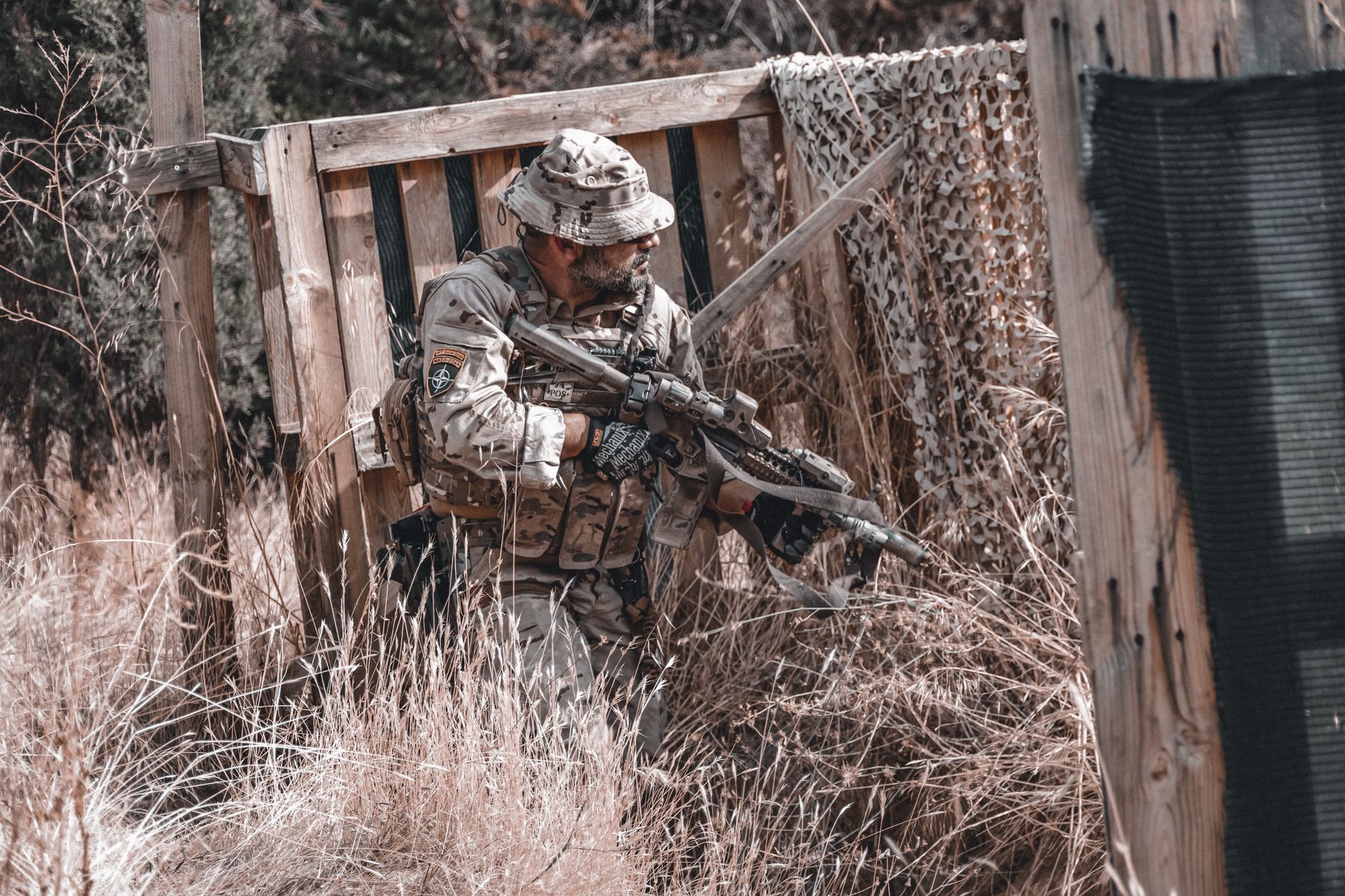
Imagen principal:Javier Leal / Pexels
AI Video: Verificación de Hechos sobre el Ejército y el Jefe Dhiraj Seth
Recientes hallazgos investigativos revelan una campaña coordinada de desinformación extranjera que utiliza tecnología de deepfake para atacar a altos mandos militares. Un análisis del material publicado por organiser.org demuestra cómo los activos audiovisuales manipulados provienen de cuentas basadas en Pakistán para fabricar narrativas falsas.
In the contemporary digital landscape, the convergence of artificial intelligence and social media has transformed information warfare. A recent incident analyzed by organiser.org highlights a concerted effort to undermine institutional stability through synthetic media. Specifically, a Pakistan-based handle propagated an AI-generated video targeting Army Chief Dhiraj Seth, attempting to inject fraudulent content into mainstream discourse. This investigative report examines the mechanics of the digital manipulation, the structural indicators of synthetic fabrication, and the broader implications for national security and digital truth.
Contexto y visión general del incidente de manipulación digital
The incident surfaced when digital monitoring tools flagged anomalous amplification patterns surrounding a newly uploaded video clip. According to reporting by organiser.org, the asset was designed to mimic authentic official communications or statements, thereby leveraging the authority of the military leadership to lend credence to fabricated assertions. In operations of this nature, malicious actors frequently exploit the immediate, high-trust environment of social platforms before platform moderation systems or independent verification bodies can intervene.
Targeting top-tier leadership such as Army Chief Dhiraj Seth is a calculated tactic designed to achieve maximum psychological and political impact. By focusing disinformation efforts on key figures responsible for institutional command, threat actors seek to create friction within the command structure, confuse the public, and provoke reactionary policy debates based entirely on fiction. The timing of such campaigns often coincides with sensitive geopolitical windows, multiplying the velocity at which unverified information travels across digital ecosystems.
Anatomía de la Reclamación: El Mango Basado en Pakistán y el Video Generado por IA
Origins of the Propagation Network
Digital forensics and metadata tracking identified the primary vectors of the campaign as originating from Pakistan-based accounts. organiser.org noted that these accounts exhibited hallmark behaviors of coordinated inauthentic behavior, including synchronized posting schedules, automated amplification rings, and a history of pushing state-aligned narratives designed to sow discord. The infrastructural reliance on cross-border bot networks underscores the organized nature of the assault rather than spontaneous grassroots commentary.
The Fabrication Mechanism
The core of the deception relied on advanced synthetic media generation, commonly referred to as deepfakes. Rather than taking a real video out of context—a traditional disinformation method—the perpetrators manufactured a synthetic audio-visual construct from scratch or heavily altered base footage using neural network models. organiser.org detailed how the video deployed artificial voice synthesis to mimic the tone, cadence, and vocal patterns associated with high-level officials, pairing the manipulated audio with synchronized facial mapping to deceive casual observers.
¿Qué Muestra la Evidencia: Analizando la Fabricación con IA
Forensic examination of the digital asset exposed numerous technical vulnerabilities inherent in current-generation artificial intelligence tools. When subject to spectral analysis and frame-by-frame visual inspection, the video disseminated by the Pakistan-based handle revealed distinct computational artifacts. organiser.org highlighted discrepancies in lighting consistency, unnatural blink rates, and audio-visual synchronization discrepancies that betray the synthetic origin of the file.
Furthermore, cross-referencing the claims made within the video against verified public appearances, official press releases, and internal command logs demonstrated a complete divergence from reality. The statements attributed to Army Chief Dhiraj Seth had no basis in fact, nor were they ever uttered in any public or private official forum. The evidence firmly establishes that the video is an entirely manufactured artifact engineered to deceive audiences through algorithmic mimicry.
Distribution Channels and How the Propaganda Seeks Amplification
Understanding how synthetic media travels from obscure digital fringes to mainstream awareness requires examining the distribution architecture. Disinformation campaigns rarely rely on a single account; instead, they utilize a tiered network of amplification. organiser.org documented how the Pakistan-based handle seeded the AI-generated video, after which secondary proxy accounts, automated botnets, and sympathetic partisan nodes picked up the asset to artificially inflate engagement metrics.
Algorithmic amplification on modern social media platforms plays a critical role in this cycle. Because platforms prioritize high-engagement content—regardless of its veracity—provocative synthetic videos targeting prominent figures quickly trigger comment sections, shares, and algorithmic recommendations. This creates a feedback loop where well-meaning users engaging with the content merely to debunk it inadvertently feed the platform algorithms, driving the AI-generated video further into the feeds of unsuspecting users.
Red Flags and Verification Checklist for Synthetic Media
To combat the proliferation of deepfakes and AI-driven propaganda, verification professionals rely on structured diagnostic criteria. The following checklist synthesizes key warning signs identified during the investigation into the video targeting Army Chief Dhiraj Seth:
- Divergencia audiovisual: Look for subtle lags or inconsistencies between lip movements and spoken phonemes, indicating stitched or synthesized audio tracks.
- Unnatural Facial Artifacts: Inspect the boundaries of the face, hairline, and eyes for blurring, warping, or lighting shifts that do not match the background environment.
- Vocal Anomalies: Listen for robotic intonation, metallic echoes, or abrupt changes in vocal timbre that reveal text-to-speech generation.
- Source Verification Deficit: Check whether mainstream wire services, official institutional portals, or primary sources have corroborated the statement. If only unverified social media handles are pushing the claim, treat it with extreme skepticism.
- Behavioral Patterns of Amplification: Investigate the accounts sharing the media. Sudden bursts of activity from newly created profiles or cross-border handles with political agendas strongly suggest coordinated manipulation.
Institutional Context and the Threat to Leadership Integrity
The deployment of AI-generated assets against military leadership represents an escalation in cognitive warfare. Institutions like the armed forces rely fundamentally on trust, discipline, and clear lines of communication. When hostile actors fabricate statements from commanding authorities like Army Chief Dhiraj Seth, the objective extends beyond mere embarrassment; it seeks to erode public confidence in state institutions and create operational uncertainty.
As documented by organiser.org, these operations are designed to exploit societal fault lines. By weaponizing cutting-edge technology, bad actors aim to force institutional defense mechanisms into a perpetual state of reactive clarification. Recognizing this threat requires a strategic shift from passive content moderation to proactive digital literacy and rapid-response forensic debunking.
| Metric / Dimension | The AI-Generated Claim | Verified Reality |
|---|---|---|
| Source of Origin | Pakistan-based social media handle with history of coordinated behavior | Identified as an inauthentic actor network by investigative reporting (organiser.org) |
| Medium of Delivery | Synthetic deepfake video featuring AI-generated voice and facial mapping | Forensically proven computational fabrication with rendering artifacts |
| Attributed Subject | Statements falsely attributed to Army Chief Dhiraj Seth | No such statements exist in any official record, press briefing, or public event |
| Strategic Intent | To sow discord, mislead the public, and undermine institutional integrity | A recognized tactic of cognitive warfare and cross-border digital propaganda |
Analytical Conclusions on Digital Deception
The fact-check surrounding the AI-generated video targeting Army Chief Dhiraj Seth serves as a critical case study in modern information operations. The evidence compiled by organiser.org demonstrates that generative artificial intelligence has lowered the barrier to entry for hostile state and non-state actors seeking to manufacture persuasive falsehoods. Verifying such claims requires a rigorous, evidence-first approach that prioritizes forensic analysis, cross-source corroboration, and an understanding of platform amplification mechanics.
Ultimately, technical safeguards alone cannot insulate digital ecosystems from sophisticated manipulation. A resilient public discourse depends on institutional transparency, rigorous investigative journalism, and widespread adoption of critical media literacy frameworks designed to spot the distinct signatures of synthetic deception before misinformation takes root.
Frequently Asked Questions Regarding the Fact-Check
What is the core claim of the viral video?
The viral video falsely claims that Army Chief Dhiraj Seth made specific controversial statements, utilizing fabricated audio and visuals to support the narrative.
Who originally published and amplified the manipulated video?
According to organiser.org, the primary push originated from a Pakistan-based social media handle supported by an expanded network of amplification accounts.
How was the video proven to be artificially generated?
Forensic examination revealed technical inconsistencies, including audio-visual desynchronization, digital rendering artifacts, and a complete absence of the statements in any official institutional records.
Why are military leaders targeted with deepfake technology?
Threat actors target high-ranking officials to erode public trust in core institutions, create confusion within command structures, and advance geopolitical narratives through cognitive warfare.
What steps can users take to avoid falling for similar synthetic media?
Users should look for visual and audio anomalies, verify claims against reputable primary sources, examine the sharing history of the accounts pushing the content, and rely on established fact-checking organizations.