Imagen principal:Keira Burton / Pexels
Informe sobre la censura en campus: examina la autocensura de los estudiantes
Un reciente informe publicado por *The State News* documenta una tendencia creciente de **autocensura estudiantil** en entornos universitarios. Este informe evalúa los mecanismos subyacentes, las dinámicas institucionales y las implicaciones más amplias de restringir el **discurso abierto** en la educación superior.
The debate surrounding free expression in higher education has intensified as institutional surveys and journalistic investigations document changing student behaviors. Central to this discussion is the phenomenon of student self-censor campus dynamics, where learners consciously withhold their genuine opinions out of fear of social, academic, or professional repercussions. Understanding whether these patterns reflect genuine structural suppression or shifting peer norms requires a rigorous examination of published reporting and campus climate data.
Context: The Climate of Modern Higher Education
Universities have historically functioned as designated spaces for rigorous intellectual debate, testing controversial ideas, and challenging prevailing dogmas. However, the contemporary landscape of higher education is shaped by rapid digital communication, polarized political environments, and heightened sensitivity regarding identity, equity, and inclusion. These structural and cultural shifts have fundamentally altered how students navigate peer interactions, classroom discussions, and public forums.
Institutional administrators face mounting pressure to balance inclusive campus environments with the preservation of open academic inquiry. Critics argue that well-intentioned administrative policies, combined with intense peer scrutiny on social media and in lecture halls, have inadvertently created a chilling effect on speech. Conversely, defenders of modern campus standards maintain that establishing norms around respectful dialogue is essential for ensuring that historically marginalized students can participate fully in academic life without experiencing harassment.
The Evolution of Administrative Policies
Over the past decade, universities have adopted a wide array of codes of conduct, bias-reporting systems, and speech guidelines. While proponents argue these measures protect vulnerable populations, critics contend they introduce ambiguity that encourages precautionary self-censorship among students uncertain about where the regulatory boundaries lie. When students perceive that minor missteps in phrasing or ideological framing could trigger formal complaints or social ostracization, the rational individual response is to remain silent.
Furthermore, the physical and digital architecture of modern campuses has dissolved the boundary between private peer discourse and public record. Classrooms are frequently recorded, discussions migrate rapidly to encrypted messaging applications or public social media platforms, and reputational damage can occur instantaneously. This technological reality amplifies the perceived risks associated with expressing unpopular or heterodox viewpoints.
The Core Claim: Growing Rates of Student Self-Censorship
The primary assertion driving current media coverage and institutional research is that a significant and growing number of university students feel compelled to suppress their true beliefs. According to reporting from The State News, this self-censorship is not isolated to specific ideological factions but spans various dimensions of campus life, affecting discussions on politics, social issues, and academic subject matter alike.
This claim challenges the foundational premise of the university as a marketplace of ideas. If a substantial portion of the student body conceals its perspectives, classroom discussions lose their dialectical value, and faculty members are left with an inaccurate impression of student consensus. Furthermore, sustained self-censorship can inhibit intellectual development, as students are rarely forced to defend their positions against genuinely held counterarguments.
Categorizing the Pressures to Conform
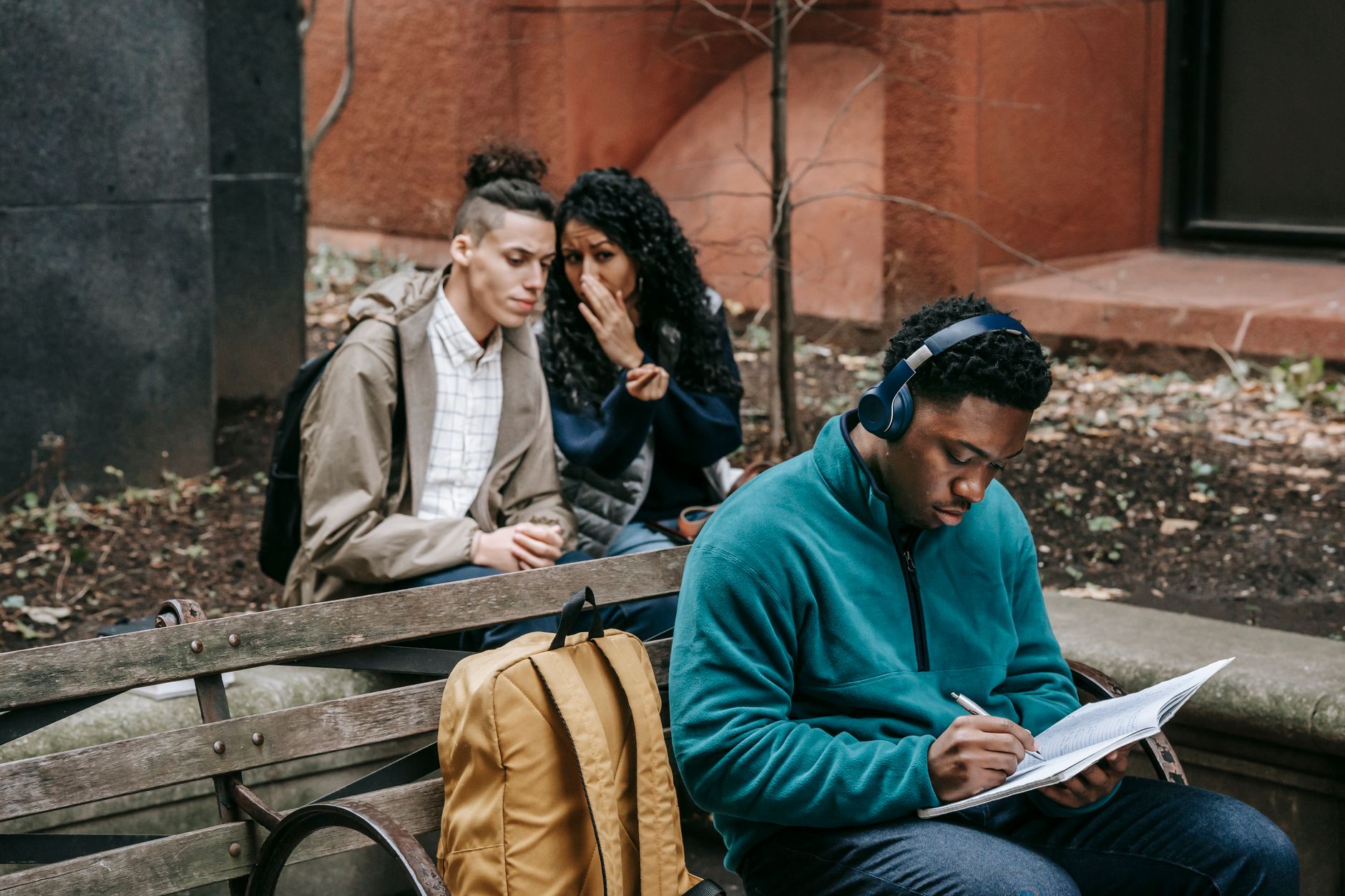
Investigations into campus speech generally categorize the pressures driving student self-censorship into three distinct domains: peer-to-peer social dynamics, fear of professorial bias, and apprehension regarding future career prospects. Peer pressure often manifests as the fear of being labeled insensitive, intolerant, or politically retrograde by classmates, which can result in social isolation or public shaming.
In parallel, students frequently express concern that expressing views contrary to prevailing orthodoxies could negatively impact their academic evaluations. While explicit professorial retaliation is difficult to document systematically, the subjective nature of grading in humanities and social science disciplines leaves room for student anxiety. Additionally, the increasing visibility of digital footprints means students worry that controversial statements made during undergraduate debates could jeopardize future employment or graduate school admissions.
Evidence from The State News Report
The investigation published by The State News provides concrete qualitative and quantitative insights into how Michigan State University students experience these pressures firsthand. By capturing student voices and institutional observations, the report outlines a campus climate where caution frequently supersedes candor.
According to The State News, students across multiple academic disciplines report weighing the potential social costs before speaking up during lectures or participating in campus organizations. This careful calculation reflects an environment where the threshold for social controversy has lowered, leading individuals to conclude that the safest course of action is to remain non-committal or silent.
Key Observations Documented in the Coverage
The reporting highlights specific scenarios where students feel constrained, ranging from formal classroom debates to casual dining hall conversations. Rather than pointing to a single overarching directive from administration, the coverage details a diffuse culture of caution maintained largely through peer enforcement and social norms.
- Students report hesitating during politically charged discussions to avoid conflicts with friends or classmates.
- Uncertainty regarding institutional speech policies contributes to a generalized anxiety about crossing unspoken boundaries.
- The blending of academic discourse with broader cultural debates has made students hyper-aware of how their words might be interpreted outside the immediate context.
Examining the Scope and Implications for Students
Assessing the true scope of student self-censorship requires looking beyond individual anecdotes to understand the psychological and intellectual toll it takes on the student body. When students routinely monitor their speech, the resulting cognitive load can diminish overall academic engagement and hinder the psychological safety necessary for creative problem-solving.
Moreover, the implications extend beyond individual well-being to affect the collective health of democratic discourse. Universities are training grounds for future civic and professional leaders; if graduates have spent years practicing avoidance rather than persuasive argumentation, they may be ill-equipped to navigate complex, pluralistic societies characterized by deep disagreements.
Intellectual Stagnation versus Safety
A central tension in the campus free speech debate involves balancing psychological safety with intellectual rigor. While proponents of protective campus norms argue that safety is a prerequisite for learning, critics counter that true intellectual growth requires encountering discomfort and challenging one’s assumptions.
When self-censorship becomes the dominant coping mechanism, classrooms risk transforming into echo chambers where dissenting perspectives are systematically suppressed. This environment prevents students from developing the resilience required to evaluate competing claims critically and objectively.
Assessing Institutional Factors and Campus Dynamics
Universities are complex ecosystems influenced by administrative leadership, faculty governance, student organizations, and external political pressures. The rise in student self-censor campus behaviors cannot be attributed to any single actor, but rather to the interplay of these various institutional forces.
Administrators often find themselves caught between competing constituencies: alumni and donors concerned about institutional reputation, legislators demanding ideological neutrality, and students and faculty advocating for expansive social justice initiatives. In attempting to appease these diverse groups, universities frequently implement broad bureaucratic frameworks that inadvertently chill open expression.
The Role of Faculty and Classroom Management
Faculty members play a pivotal role in establishing the intellectual climate within individual classrooms. Instructors who actively model viewpoint diversity and enforce civil discourse can significantly mitigate student apprehension.
Conversely, professors who inject their personal political agendas into grading criteria or classroom discussions can exacerbate the perception of bias, driving students further into silence.
| Institutional Factor | Potential Risk | Mitigating Strategy |
|---|---|---|
| Ambiguous Speech Codes | Creates generalized anxiety and precautionary self-censorship. | Clear, transparent, and narrowly tailored policy definitions. |
| Ideological Homogeneity | Fosters echo chambers and suppresses dissenting viewpoints. | Actively incorporating diverse perspectives into syllabi. |
| Digital Surveillance Culture | Amplifies fear of reputational damage via social media recording. | Establishing clear classroom norms regarding privacy and respect. |
Fact-Checking the Narrative Against Documented Findings
In evaluating media coverage of campus speech issues, it is essential to distinguish between empirical findings and generalized partisan narratives. Some political commentators exaggerate campus conditions to paint higher education as entirely hostile to conservative thought, while certain administrators downplay student concerns as isolated complaints.
The reporting provided by The State News grounds the discussion in the actual experiences of students navigating a specific institutional environment. Rather than validating sweeping generalizations about systemic authoritarianism on campus, the evidence points to a complex social ecosystem where peer dynamics, digital exposure, and administrative caution combine to constrain open dialogue.
Distinguishing Perception from Reality
Fact-checking requires analyzing whether reported fears translate into actual systemic censorship or whether they reflect subjective anxieties. While actual administrative censorship of protected speech remains legally constrained at public universities, informal social censorship enforced by student peers represents a potent and documented force.
Recognizing this distinction is crucial for developing effective interventions. Solutions must address the underlying social dynamics and peer enforcement mechanisms rather than focusing solely on altering formal administrative rules.
Lista de Señales de Alerta
To identify sensationalized or misleading analyses of campus speech issues, observers should look for specific warning signs in media reports and institutional commentary:
- Relying exclusively on extreme anecdotes without providing broader statistical or qualitative context.
- Attributing all instances of student silence to direct administrative decree while ignoring peer social pressures.
- Framing complex campus cultural shifts through a purely partisan lens to score political points.
- Presenting speculative claims about career ruin without empirical documentation of systemic retaliation.
- Conflating legal restrictions on speech with private social consequences and interpersonal disagreements.
Conclusions and Future Outlook on Campus Discourse
The documentation of student self-censorship by outlets such as The State News underscores an urgent need for universities to foster environments where rigorous, respectful debate can flourish without fear of unwarranted retribution. Addressing this challenge requires a concerted effort from administrators, faculty, and students alike.
Moving forward, institutions must prioritize transparency, protect academic freedom, and encourage students to engage constructively with opposing viewpoints. Only by rebuilding trust in the marketplace of ideas can universities fulfill their foundational mission of preparing informed, resilient citizens for a pluralistic world.
Preguntas Frecuentes
What is student self-censorship on campus?
Student self-censorship refers to the phenomenon where university students consciously choose to withhold their genuine opinions, beliefs, or academic questions out of fear of negative social, academic, or professional consequences from peers or faculty.
What role does The State News play in reporting this issue?
The State News provides on-the-ground investigative reporting capturing the direct experiences and perspectives of students navigating the contemporary campus climate at Michigan State University.
Why are students choosing to self-censor?
Students frequently cite fear of peer social ostracization, concerns regarding potential academic bias from instructors, and anxiety about how expressing controversial views might impact their future career or professional opportunities.
How do administrative policies impact campus speech?
Ambiguous speech codes, bias-reporting systems, and broad institutional regulations can create a chilling effect, leading students to practice precautionary self-censorship out of uncertainty regarding where official boundaries lie.
Can campus self-censorship be addressed effectively?
Yes, by fostering transparent institutional policies, encouraging active viewpoint diversity in classrooms, and promoting norms of civil discourse that value rigorous debate over ideological conformity.