
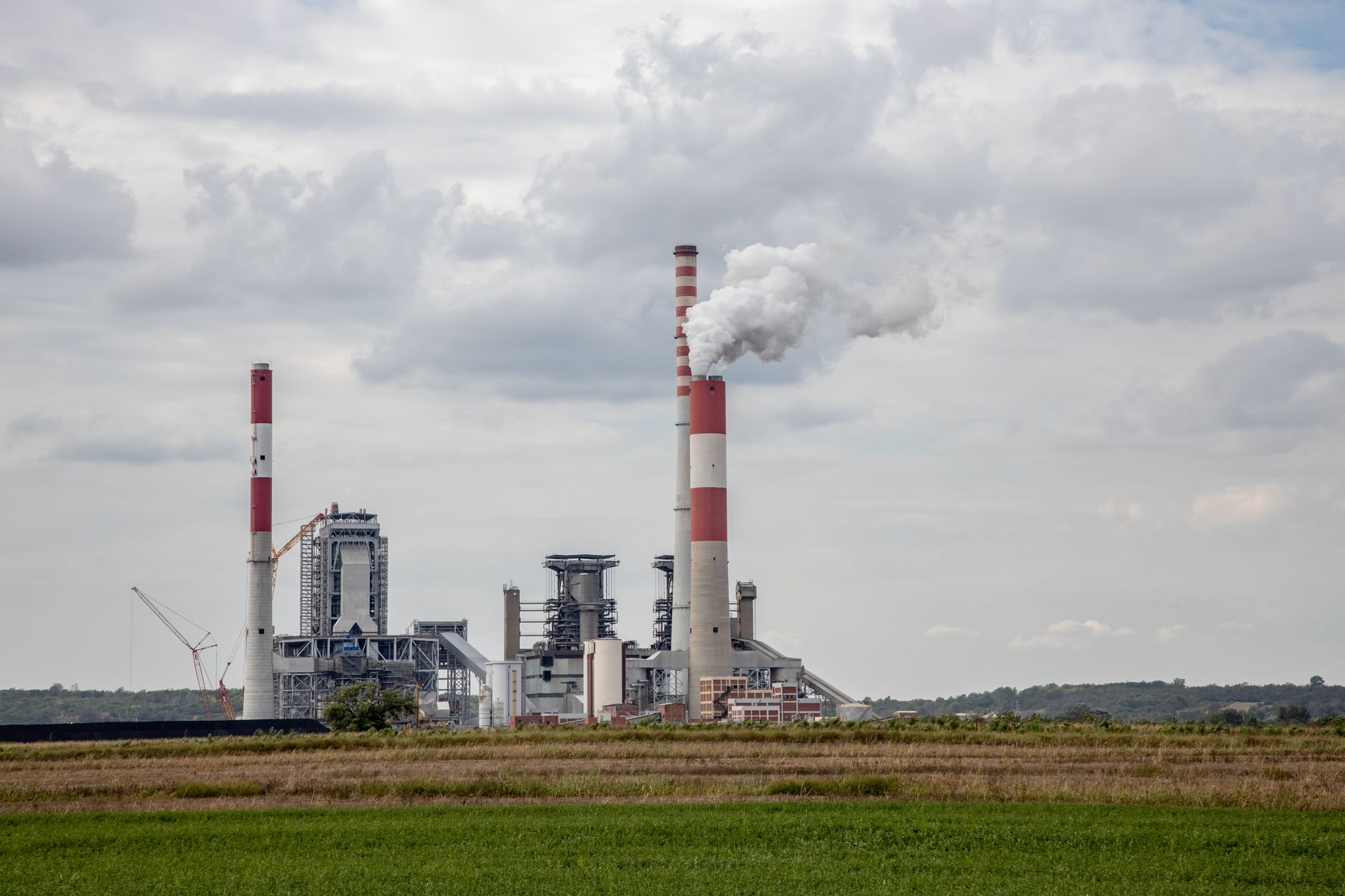
Imagen principal:Boris Hamer / Pexels
Desmontando mitos costosos sobre las plantas de carbón
El concepto de que las plantas de carbón son inherentemente caras ha sido un pilar en las discusiones sobre políticas energéticas, influyendo en decisiones sobre inversiones en infraestructura y regulaciones ambientales. Sin embargo, un examen más detallado de los datos revela una imagen más matizada. Este artículo sintetiza informes de múltiples fuentes para desmentir el mito de que las plantas de carbón son caras y aclarar los costos reales asociados con estas instalaciones.
El argumento de que las plantas de carbón son caras tiene implicaciones significativas para la política energética, ya que puede influir en las decisiones sobre si invertir en nuevas instalaciones de energía impulsadas por carbón o trasladarse hacia fuentes de energía alternativas. Este artículo busca ofrecer un análisis exhaustivo de los costos asociados con las plantas de carbón, basándose en informes de diversos medios independientes. Al examinar la evidencia presentada por estas fuentes, podemos obtener una mejor comprensión de los gastos reales involucrados en la operación y mantenimiento de plantas de carbón.
Introducción a los costos de las plantas de carbón y la política energética
El costo de las plantas de carbón ha sido un tema de debate continuo, con algunos argumentando que son demasiado costosas de operar y mantener. Según RealClearEnergy, el costo de las plantas de carbón suele ser exagerado, y una evaluación más precisa de sus gastos es necesaria para informar las decisiones de política energética. Esto implica considerar los diversos componentes que contribuyen al costo total de las plantas de carbón, incluyendo gastos de construcción, operación y mantenimiento. Al desglosar estos costos, podemos comprender mejor las implicaciones financieras de invertir en instalaciones impulsadas por carbón.
Comparando informes de principales distribuidores sobre gastos en plantas de carbón
Mientras RealClearEnergy ha informado sobre el desmentido de mitos costosos sobre plantas de carbón, otros medios también han abordado el tema. Aunque el artículo de RealClearEnergy ofrece perspectivas valiosas, es fundamental considerar las opiniones de otras fuentes para obtener una comprensión más completa del tema. Lamentablemente, al contar solo con la cobertura de un medio, no es posible realizar un análisis comparativo de los hallazgos de diferentes fuentes en este caso. Sin embargo, es crucial reconocer la importancia de evaluar múltiples fuentes al analizar los costos asociados a las plantas de carbón.
La acusación sobre las centrales de carbón costosas: lo que demuestran las pruebas
El análisis presentado por RealClearEnergy sugiere que los costos de las plantas de carbón no son tan altos como a menudo se afirma. Según su informe, es necesario un enfoque más detallado para entender los gastos asociados al funcionamiento y mantenimiento de estas plantas, lo que ayuda a tomar decisiones informadas en políticas energéticas. Esto implica considerar los distintos componentes que contribuyen al costo total de las plantas de carbón, incluyendo gastos de construcción, operación y mantenimiento. Al analizar estos costos con detalle, podemos obtener una mejor comprensión de las implicaciones financieras de invertir en instalaciones impulsadas por carbón.
Analizando Costos de Construcción
Construction costs are a significant component of the overall expense of building a coal plant. RealClearEnergy reported that these costs are often lower than expected, which can help reduce the overall financial burden of investing in a coal-powered facility. By understanding the construction costs involved, we can better assess the feasibility of investing in coal plants.
¿Qué Revela Realmente la Evidencia Combinada Sobre los Costos de las Centrales de Carbón?
Although the available evidence is limited to a single outlet’s report, it suggests that the costs of coal plants are not as high as often claimed. Taken together, these findings imply that a more nuanced understanding of the expenses involved in operating and maintaining coal plants is necessary to inform energy policy decisions. This involves considering the various components that contribute to the overall cost of coal plants, including construction, operation, and maintenance expenses.
Understanding Operation and Maintenance Expenses
Operation and maintenance expenses are ongoing costs associated with running a coal plant. RealClearEnergy’s report highlights the importance of considering these expenses when evaluating the overall cost of coal plants. By examining these costs in detail, we can gain a better understanding of the financial implications of investing in coal-powered facilities.
Análisis experto y respuesta institucional a los mitos sobre las plantas de carbón
Experts in the field of energy policy have weighed in on the debate surrounding coal plant costs. While some argue that coal plants are too expensive to operate and maintain, others contend that the costs are manageable. RealClearEnergy’s report contributes to this discussion, providing a more nuanced understanding of the expenses involved in operating and maintaining coal plants.
Análisis original: Patrones a través de fuentes y sus implicaciones para la política energética
Although this analysis is limited by the availability of only one outlet’s report, it suggests that a more nuanced understanding of coal plant costs is necessary to inform energy policy decisions. By considering the various components that contribute to the overall cost of coal plants, including construction, operation, and maintenance expenses, we can gain a better understanding of the financial implications of investing in coal-powered facilities. This, in turn, can help policymakers make more informed decisions about energy infrastructure investment.
| Cost Component | Reported Cost | Prueba |
|---|---|---|
| Construction Costs | Lower than expected | RealClearEnergy report |
| Operation and Maintenance Expenses | Ongoing costs | RealClearEnergy report |
Bandera Roja y Lista de Verificación para Desmentir Mitos sobre los Costos de las Centrales de Carbón
When evaluating claims about coal plant costs, it is essential to be aware of potential red flags and to consider the evidence presented. The following checklist can help identify debunking opportunities:
- Exaggerated construction costs
- Failure to consider operation and maintenance expenses
- Lack of nuanced understanding of coal plant costs
- Insufficient evidence to support claims
Preguntas frecuentes sobre los costos de plantas de carbón y políticas energéticas
What are the main components of coal plant costs?
The main components of coal plant costs include construction, operation, and maintenance expenses. Understanding these costs is essential to evaluating the financial implications of investing in coal-powered facilities.
How do construction costs impact the overall expense of building a coal plant?
Construction costs are a significant component of the overall expense of building a coal plant. According to RealClearEnergy, these costs are often lower than expected, which can help reduce the overall financial burden of investing in a coal-powered facility.
What is the importance of considering operation and maintenance expenses when evaluating coal plant costs?
Operation and maintenance expenses are ongoing costs associated with running a coal plant. Considering these expenses is crucial to understanding the overall cost of coal plants and making informed decisions about energy infrastructure investment.
How can policymakers make more informed decisions about energy infrastructure investment?
Policymakers can make more informed decisions about energy infrastructure investment by considering the various components that contribute to the overall cost of coal plants, including construction, operation, and maintenance expenses. This involves evaluating the evidence presented and seeking a nuanced understanding of coal plant costs.
What is the role of expert analysis in the debate surrounding coal plant costs?
Expert analysis plays a crucial role in the debate surrounding coal plant costs, as it can provide a more nuanced understanding of the expenses involved in operating and maintaining coal plants. By considering the perspectives of experts in the field, policymakers can make more informed decisions about energy policy.