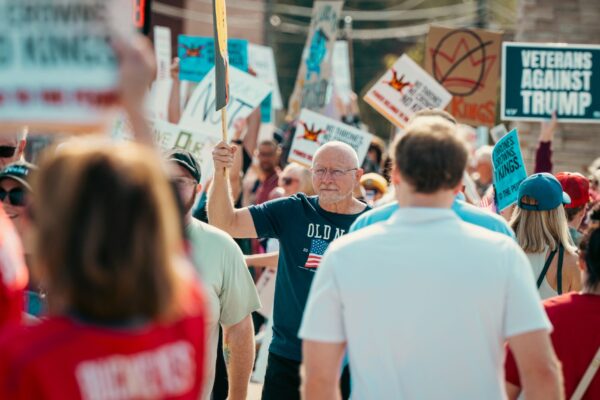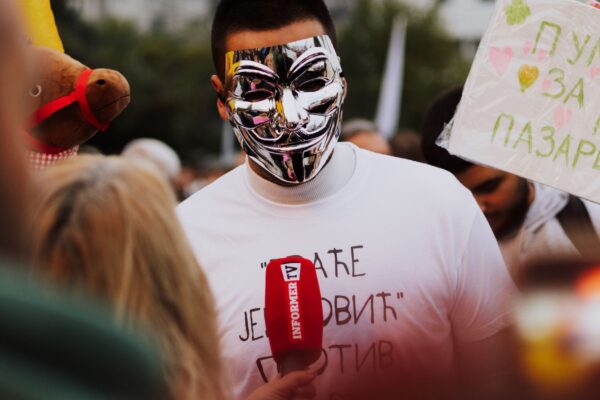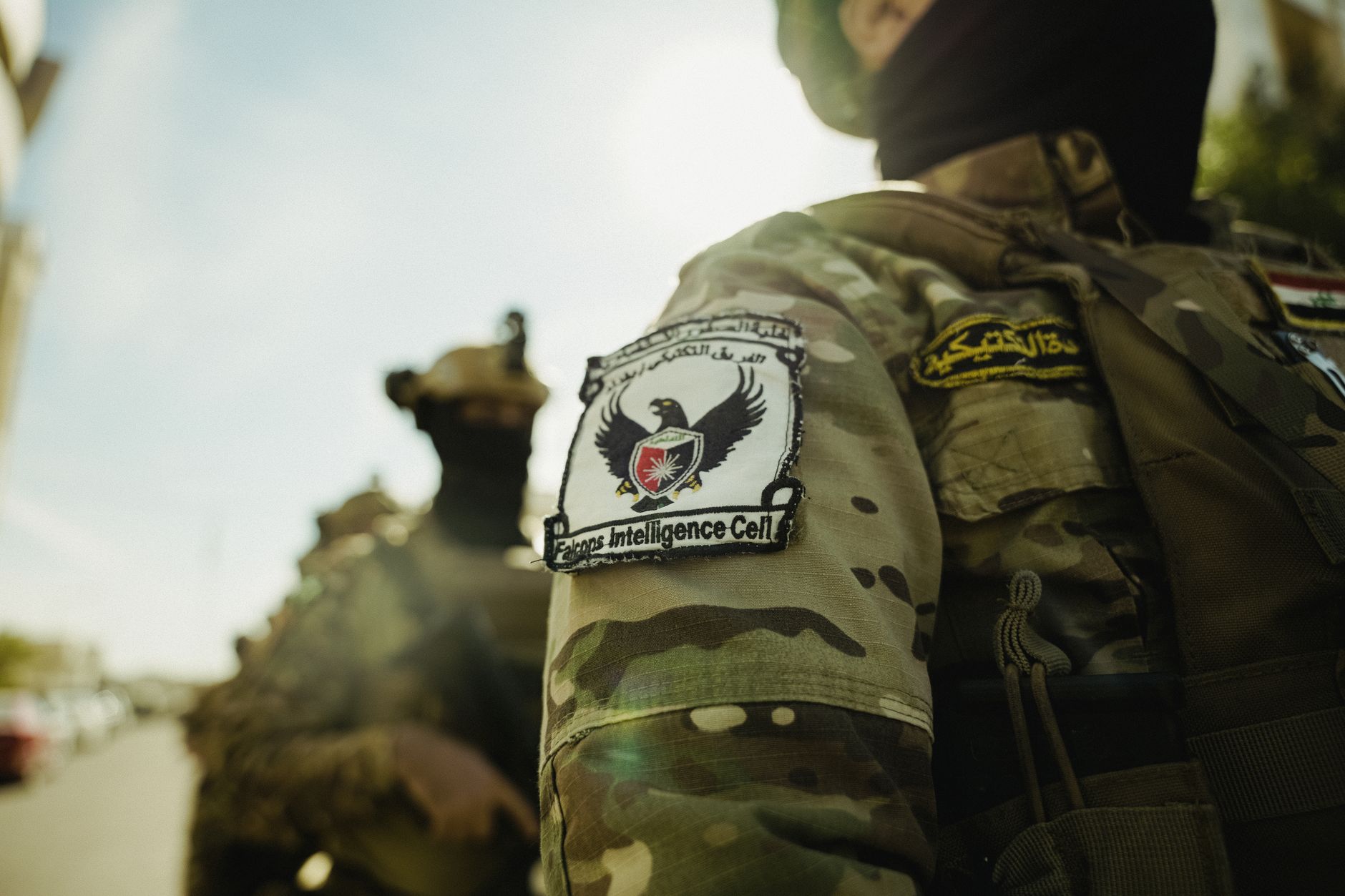
This week’s investigative reporting underscores the pervasive integration of psychological operations and digital deception into modern geopolitical conflict and domestic electoral politics. Across multiple jurisdictions, state and non-state actors continue to weaponize structured narratives, exploiting both human vulnerabilities and technological advancements to shape public perception and manipulate democratic outcomes.
De la intersección de campañas de influencia extranjera en elecciones legislativas hasta el despliegue de medios audiovisuales fabricados dirigidos a demografías específicas de votantes, los mecanismos de control narrativo han crecido en sofisticación. Ya sea analizando zonas de conflicto o electorados domésticos multilingües, las pruebas revelan una estrategia coordinada para debilitar la confianza institucional y suprimir la participación cívica mediante desinformación dirigida.
Esta semana se destacan seis artículos
Anatomy of a Captivity Playbook: Deconstructing Hamas Media Tactics
Recent security scholarship highlights how modern conflict incorporates structured narrative control designed to influence external populations. This analysis examines the psychological operations and media exploitation strategies utilized by Hamas during captivity scenarios. Information warfare has firmly established itself as a primary domain of modern strategic conflict, requiring rigorous scrutiny of how propaganda shapes public empathy and political pressure.
Cross-Border Influence: The Geopolitical Mechanics of Anti-Qatar Messaging

Investigative reporting reveals how coordinated geopolitical influence operations cross national borders to impact domestic democratic processes. By analyzing the mechanics of foreign messaging, this report illustrates the pathways through which anti-Qatar narratives infiltrate electoral cycles. The findings underscore the vulnerability of digital information ecosystems to foreign manipulation and strategic interference.
Fabricated Audiovisual Media Targets Senate Candidates in Deceptive Campaigns
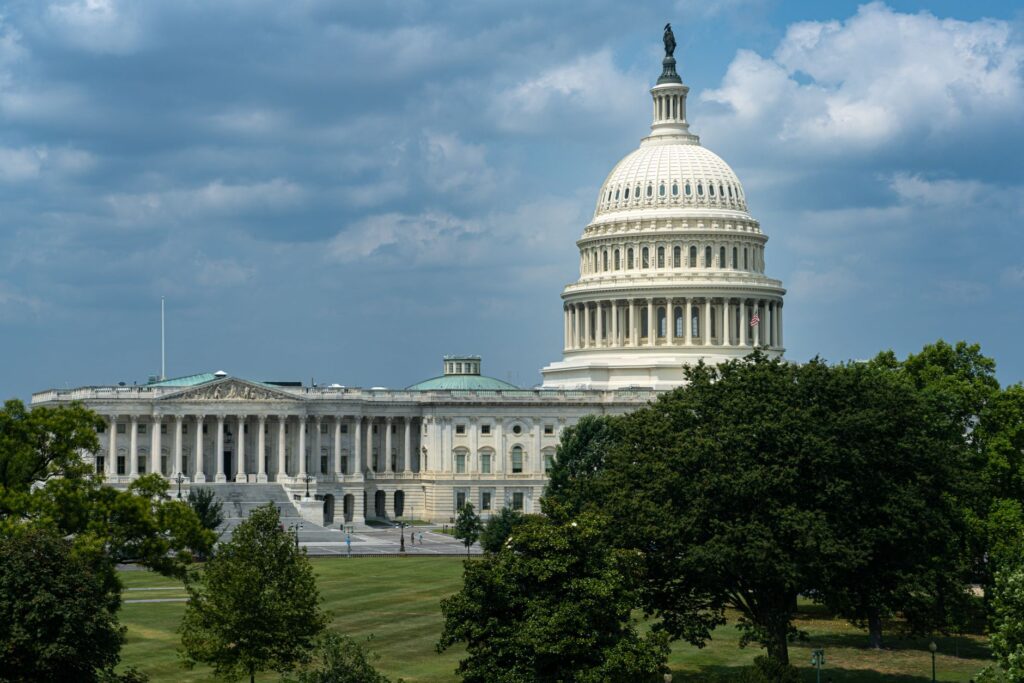
As electoral cycles face mounting vulnerabilities to sophisticated manipulation, fabricated audiovisual media has emerged as a primary vector for narrative control. Investigations detail how malicious actors deploy deceptive video campaigns that weaponize real individuals to damage the reputations of Senate candidates. This technological evolution demands immediate counter-measures to protect the integrity of political discourse.
Decoding the South African Electoral Disinformation Surge

Democratic processes globally face targeted digital manipulation, as evidenced by a significant wave of coordinated falsehoods during the recent South African electoral cycle. Investigations into the mechanics, narratives, and distribution channels driving this phenomenon expose critical vulnerabilities in public information ecosystems. Safeguarding elections remains paramount as bad actors seek to undermine the cornerstone of democratic governance.
Psychological Mobilization: Exploiting Fear in Russian-Occupied Territories

Moscow has capitalized on public anxieties surrounding Ukraine’s military mobilization processes to maintain control in occupied territories. Ukrainian lawmakers have identified these fears as an active psychological operation, though legislative remedies face persistent parliamentary stalls. This dynamic illustrates how occupying forces leverage internal socio-political tensions to reinforce subjugation.
Targeted Mitigation: Protecting Latino Voters from Coordinated Disinformation
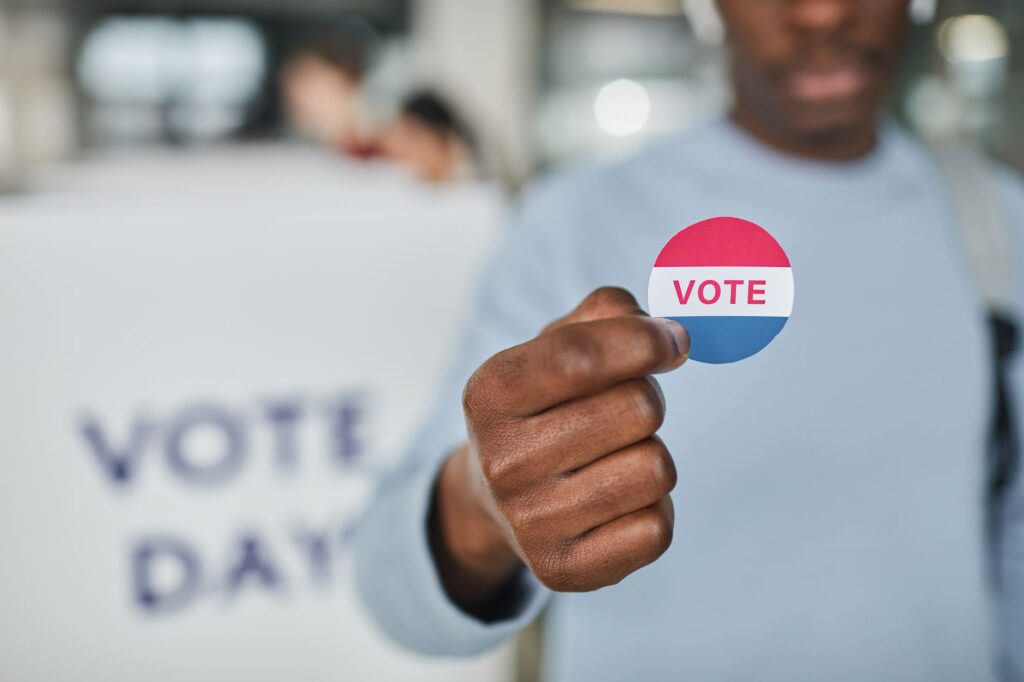
Electoral integrity in multilingual communities faces unique challenges from coordinated disinformation campaigns designed to suppress turnout and distort policy debates. Dedicated educational initiatives have emerged to safeguard civic participation among vulnerable populations. Examining these defensive mechanisms provides vital insights into preserving the integrity of democratic engagement across diverse communities.
Principales conclusiones
- State and non-state actors increasingly rely on structured psychological operations to influence both foreign conflicts and domestic political landscapes.
- Fabricated audiovisual media and deepfakes represent an escalating threat to electoral integrity, specifically targeting candidate reputations.
- Cross-border influence campaigns successfully infiltrate local election cycles, demonstrating the permeability of modern digital information ecosystems.
- Targeted disinformation frequently exploits existing socio-political vulnerabilities, such as military mobilization fears and multilingual community divides.
- Robust civic education and proactive defensive initiatives are essential for safeguarding voter participation against coordinated suppression efforts.
Explore más de nuestroMedios, Propaganda y Control Narrativo.