
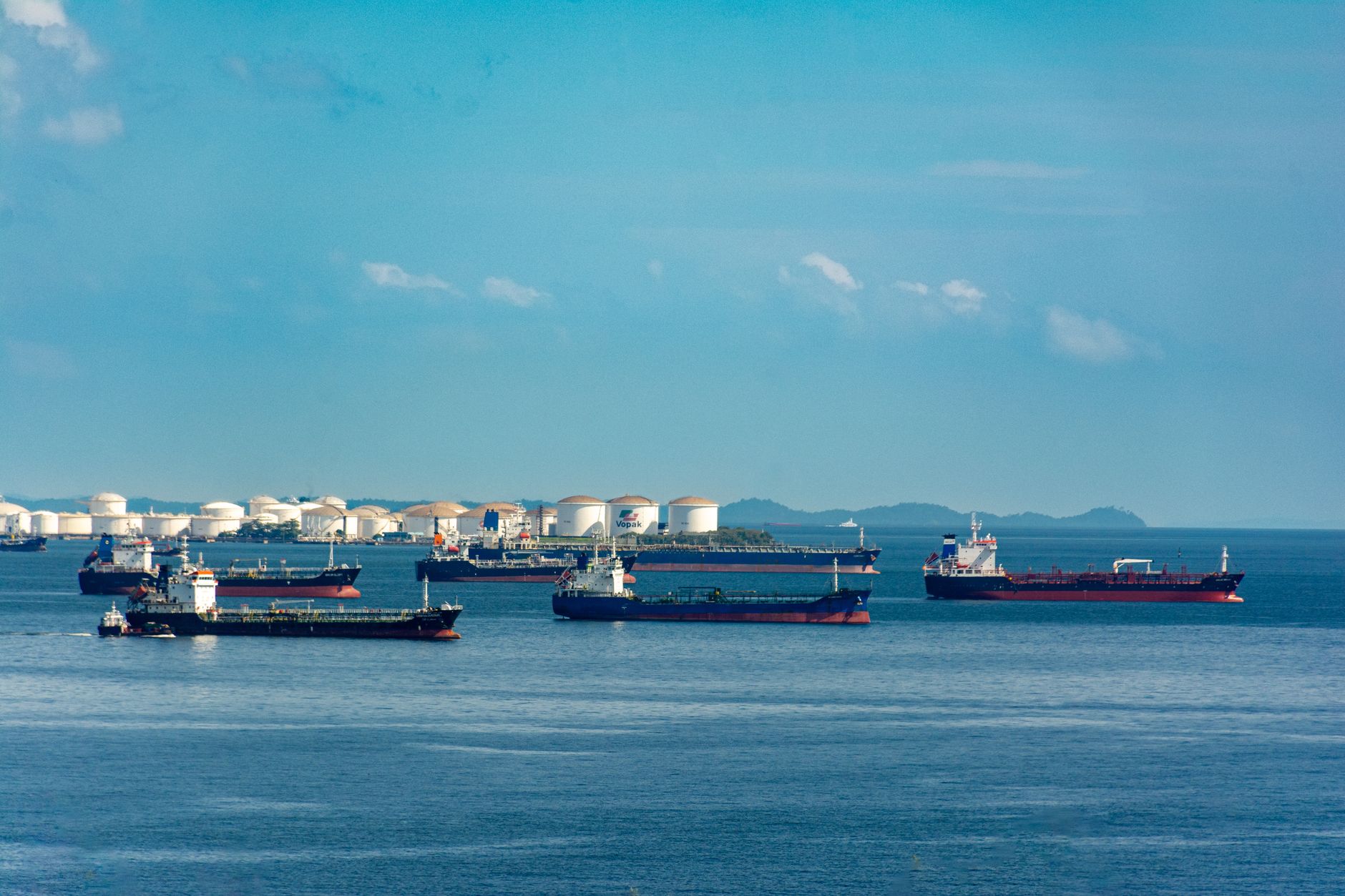
Imagen principal:Zifeng Xiong / Pexels
Irán permite que los petroleros iraquíes pasen por el Estrecho de Ormuz
Iran has permitted a limited number of Iraqi oil tankers to transit the Strait of Hormuz, according to state-linked media reports. The move follows months of heightened tensions in the Gulf and raises questions about Tehran’s use of oil flows as a calibrated instrument of regional influence.
The Strait of Hormuz has long been a flashpoint in Middle East energy politics, through which roughly one-fifth of the world’s seaborne oil passes. Reports that Iran has allowed some Iraqi oil tankers to transit the strait—albeit selectively—prompted scrutiny of Tehran’s strategic calculus. This synthesis examines two independent outlets’ coverage of the development, compares their findings, and assesses what the pattern reveals about Iran’s use of oil as a lever in regional diplomacy.
—
Fondo: El estrecho de Ormuz como un punto crítico de estrangulamiento del petróleo
The Strait of Hormuz connects the Persian Gulf to the Gulf of Oman and is the world’s most important oil transit chokepoint. According to the U.S. Energy Information Administration, the strait carried about 21 million barrels per day of crude oil and condensate in 2023, roughly 20% of global seaborne oil trade. Disruptions—whether through military action, regulatory interference, or political pressure—can send global oil prices surging and strain regional supply chains.
Iran has periodically threatened to close the strait in response to sanctions or perceived threats, and in 2019, it seized several foreign tankers and attacked vessels in the region. The strait’s vulnerability makes any Iranian decision to facilitate—or restrict—transit a matter of global concern.
—
Lo que The Times of Israel informó sobre la decisión de Irán
The Times of Israel reported on August 22, 2026, that Iran had “let some Iraqi oil tankers pass through the Strait of Hormuz,” citing unnamed state media outlets. The report emphasized that the move was selective and framed as a temporary or conditional measure rather than a blanket authorization. It noted that the decision followed months of high tensions in the Gulf and suggested that Iran may be using oil flows as a bargaining chip in regional negotiations.
According to The Times of Israel, the tankers in question were carrying Iraqi crude, and their passage was described as part of a broader pattern of calibrated access rather than a full normalization of shipping conditions. The outlet did not provide specific vessel names, tonnage figures, or independent confirmation of the tankers’ cargoes, relying instead on state media accounts.
The report also situated the development within the context of broader regional diplomacy, noting that Iran has previously used oil and shipping as tools in negotiations with Gulf states and Western powers. It did not claim that the decision signaled a permanent shift in Iran’s policy toward the strait.
—
Lo que The New Region informó sobre los tanqueros iraquíes y los medios estatales iraníes
The New Region, citing Iran’s state-run Islamic Republic News Agency (IRNA), reported on August 22, 2026, that Iran had allowed “some Iraqi tankers” to transit the Strait of Hormuz. The outlet described the move as a limited easing of restrictions, emphasizing that it was not a blanket policy change but rather a selective facilitation of specific shipments.
Según The New Region, la decisión se anunció a través de IRNA y se enmarcó como un gesto de buena voluntad o una medida recíproca en el contexto de la cooperación energética regional. El informe no proporcionó datos detallados de seguimiento de buques ni verificación independiente de las identidades o cargas de los tanqueros, en cambio, se basó en el comunicado de los medios estatales.
La cuenta de la Nueva Región también destacó el contexto geopolítico más amplio, señalando que Irán ha utilizado el petróleo y el transporte marítimo como instrumentos de influencia en crisis pasadas. Sugirió que el movimiento podría ser parte de una estrategia más amplia para señalar flexibilidad mientras mantiene influencia sobre los flujos de energía regionales.
—
Comparando las dos salidas: donde la información coincide y diverge
Agreements
Both outlets reported that Iran had allowed some Iraqi oil tankers to transit the Strait of Hormuz, citing state media accounts. They framed the decision as selective and temporary rather than a permanent policy shift. Both also situated the move within the context of broader regional tensions and Iran’s history of using oil and shipping as tools of influence.
Específicamente, The Times of Israel y The New Region se basaron en informes de los medios estatales (no especificados en el primero, IRNA en el segundo) y no proporcionaron verificación independiente de las identidades de los buques, las cargas o los detalles del tránsito. Ninguno de los medios afirmó que la decisión señalara una normalización de las condiciones de navegación a través del estrecho.
Divergencias
The Times of Israel’s report included a more explicit framing of the move as potentially linked to ongoing regional diplomacy, while The New Region’s account focused more narrowly on the state media announcement itself. The New Region explicitly named IRNA as the source, whereas The Times of Israel did not attribute the claim to a specific outlet.
Neither outlet provided concrete data on the number of tankers, their ownership, or their cargoes, and neither presented independent tracking or market impact analysis. The differences in emphasis reflect the outlets’ editorial priorities: The Times of Israel contextualized the move within broader regional dynamics, while The New Region centered the state media announcement.
—
The claim: Iran’s selective facilitation of Iraqi oil shipments
The central claim emerging from both reports is that Iran has selectively permitted some Iraqi oil tankers to transit the Strait of Hormuz, likely as part of a calibrated strategy rather than a systemic policy change. This claim is supported by state media accounts cited by both outlets, but it lacks independent verification or detailed operational data.
The claim implies that Iran retains the ability to control—or at least influence—shipping flows through the strait, even as it signals limited flexibility. It also suggests that Iraq, as a neighbor and oil producer, may be receiving preferential treatment relative to other regional actors, though neither outlet provided comparative data on transit permissions for other countries’ vessels.
The selective nature of the facilitation is a key element of the claim: both outlets emphasized that the move was not a blanket authorization but rather a targeted gesture, potentially aimed at signaling goodwill or extracting concessions in ongoing negotiations.
—
Lo que muestra la evidencia combinada: un patrón de acceso condicional
Tomados en conjunto, los informes de The Times of Israel y The New Region sugieren un patrón de acceso condicional a través del Estrecho de Ormuz, en el que Irán utiliza el petróleo y el transporte marítimo como instrumentos de influencia. La facilitación selectiva de los petroleros iraquíes —aunque no es una normalización completa de las condiciones de tránsito— indica que Teherán retiene la capacidad de modular los flujos de transporte en respuesta a presiones diplomáticas o económicas.
This pattern aligns with Iran’s historical behavior in the region, where it has repeatedly used energy flows as leverage in negotiations with Gulf states, Western powers, and international oil companies. The lack of independent verification in either report, however, means that the scope and intent of the decision remain uncertain.
La ausencia de seguimiento detallado de buques, manifiestos de carga o análisis de impacto en el mercado en ambas cuentas subraya la necesidad de precaución al interpretar los informes. Si bien colectivamente sugieren un movimiento calibrado por parte de Irán, no proporcionan evidencia suficiente para evaluar la escala, duración o intención estratégica de la facilitación.
—
¿Quién se ve afectado: mercados petroleros, estabilidad regional y empresas de transporte
Oil markets
Any disruption—or selective facilitation—of oil flows through the Strait of Hormuz can influence global oil prices and supply chains. While the reported move involves only some Iraqi tankers, even limited changes in transit conditions can affect market sentiment, particularly in Asia, which relies heavily on Gulf oil. Traders and analysts typically monitor vessel tracking data and official statements for signals of broader policy shifts, and the lack of granular data in these reports may limit their immediate market impact.
Regional stability
The Strait of Hormuz is a critical node in Gulf security architecture. Selective facilitation of Iraqi tankers—rather than a blanket authorization—could be interpreted as a signal of de-escalation, or as a tactical maneuver to maintain pressure while avoiding outright conflict. The move may ease tensions with Iraq, a key neighbor and oil partner, while leaving broader disputes with Gulf states and Western powers unresolved.
Empresas de envío
Maritime shipping companies and insurers closely track transit conditions through the strait. Selective facilitation of Iraqi tankers—without broader normalization—creates uncertainty for vessel operators, who must assess the risk of delays, seizures, or additional fees. The lack of clear, publicly available guidelines from Iranian authorities complicates risk assessment and may lead to higher insurance premiums or rerouting decisions for some operators.
—
How the narrative spreads: state media vs. independent verification
Both reports relied on state media accounts to describe Iran’s decision, highlighting the role of official narratives in shaping perceptions of regional energy flows. State media outlets in Iran, such as IRNA, often frame policy moves as gestures of goodwill or strategic flexibility, even when the operational details remain unclear.
Independent verification of such claims typically requires vessel tracking data, satellite imagery, or confirmation from shipping firms and port authorities. Neither outlet provided such data, and neither presented an alternative account of the decision. This reliance on state media sources is a recurring feature of reporting on Iran’s energy policies, where access to operational details is often restricted.
La brecha entre las narrativas de los medios estatales y la verificación independiente crea un riesgo de malinterpretación o manipulación. Si bien las cuentas de los medios estatales pueden reflejar con precisión las intenciones de las políticas, no siempre capturan la imagen operativa completa, especialmente en áreas sensibles como el estrecho de Ormuz.
—
Señales de alerta y lista de verificación para desmentir: separar la señal del ruido
When assessing claims about Iran’s facilitation of oil tankers through the Strait of Hormuz, consider the following warning signs and verification steps:
- Falta de verificación independiente: If a report relies solely on state media accounts without corroboration from vessel tracking, port authorities, or shipping firms, treat the claim as preliminary.
- Vague operational details:Ten cuidado con los informes que no especifican el número de buques, su propiedad, cargamentos o fechas de tránsito. Estas omisiones pueden ocultar la escala y la intención de la decisión.
- Absence of market or shipping data: Check for evidence of actual changes in vessel movements, insurance premiums, or market prices. If such data is missing, the claim may reflect rhetoric rather than operational reality.
- Encuadre selectivo:Presta atención a cómo se enmarca la decisión—ya sea como un gesto de buena voluntad, una maniobra táctica o un cambio de política más amplio. El enmarque puede revelar tanto sobre el mensajero como sobre el mensaje.
- Contradictory or absent official statements: If Iranian authorities do not issue clear, detailed statements about the decision, be cautious in interpreting state media reports as definitive.
To debunk or contextualize such claims, cross-reference multiple sources, seek vessel tracking data from platforms such as MarineTraffic or Equasis, and consult market analysts for signs of actual changes in oil flows or shipping patterns.
—
Original analysis: Why Iran may be using oil as a calibrated tool
Taken together, the reports from The Times of Israel and The New Region suggest that Iran is using oil and shipping as a calibrated tool in its regional strategy. The selective facilitation of Iraqi tankers—rather than a blanket authorization—indicates that Tehran is maintaining leverage while signaling limited flexibility. This approach allows Iran to influence regional energy flows without fully normalizing transit conditions through the Strait of Hormuz.
Such calibrated moves are consistent with Iran’s broader approach to regional diplomacy, where it often combines pressure and engagement to achieve its objectives. By allowing some Iraqi tankers to transit while maintaining the threat of broader restrictions, Iran can signal goodwill to Baghdad while keeping pressure on Gulf states and Western powers. This strategy also complicates efforts by external actors to isolate Iran economically, as it demonstrates that Tehran retains some control over regional energy flows.
La falta de verificación independiente en los informes, sin embargo, significa que el alcance y la intención completa de la decisión siguen siendo inciertos. Es posible que el movimiento refleje ajustes tácticos en respuesta a presiones diplomáticas o económicas específicas, en lugar de un cambio más amplio en el enfoque de Irán hacia el estrecho. Hasta que se disponga de datos más detallados, los informes deben ser tratados como indicativos de un patrón en lugar de un cambio de política definitivo.
—
What to watch next: monitoring shipping data and official statements
To assess the significance of Iran’s reported facilitation of Iraqi oil tankers, observers should monitor several key indicators in the coming weeks:
- Seguimiento de buques y escalas en puerto:Vigile los cambios en el número e identidad de los buques que transitan el estrecho, especialmente aquellos que provienen de o tienen como destino Irak. Plataformas como MarineTraffic, Equasis y anuncios de autoridades portuarias pueden proporcionar datos en tiempo real sobre los movimientos de los buques.
- Insurance and freight rates: Check for changes in war-risk insurance premiums or freight rates for tankers transiting the strait. Sudden increases could signal heightened perceived risk, while stable rates may indicate that the market views the move as routine.
- Official statements from Iran and Iraq: Monitor statements from Iranian authorities, including the Ministry of Oil, the Ports and Maritime Organization, and state media outlets such as IRNA. Similarly, watch for statements from Iraqi officials or state oil companies that may confirm or clarify the reported facilitation.
- Market reactions: Track oil price movements and regional supply disruptions in the days following the reports. Sudden price spikes or supply constraints could indicate that the move has broader implications for global oil markets.
- Comparative transit data: Compare transit conditions for Iraqi tankers with those for vessels from other regional producers, such as Saudi Arabia, the UAE, or Kuwait. If Iraqi tankers face fewer restrictions, it may signal a targeted diplomatic gesture rather than a systemic policy shift.
Until more concrete data emerges, the reported facilitation should be viewed as a potential signal of Iran’s evolving approach to regional energy flows, rather than a definitive policy change.
—
Preguntas frecuentes
How many Iraqi oil tankers have been allowed through the Strait of Hormuz?
Neither The Times of Israel nor The New Region provided specific numbers, vessel names, or detailed operational data. Both outlets described the move as involving “some” Iraqi tankers, without quantifying the scale of the facilitation.
Is this a permanent change in Iran’s policy toward the Strait of Hormuz?
Both outlets framed the decision as selective and temporary rather than a blanket policy change. The lack of official statements or long-term data makes it difficult to assess whether the move signals a permanent shift in Iran’s approach to the strait.
¿Por qué permitiría Irán que los petroleros iraquíes pasen por el estrecho pero restrinja a otros?
The reports suggest that Iran may be using oil and shipping as a calibrated tool in regional diplomacy. By selectively facilitating Iraqi tankers, Iran could be signaling goodwill to Baghdad while maintaining leverage over other regional actors or ongoing negotiations with Western powers.
How could this affect global oil prices?
While the reported move involves only some Iraqi tankers, any disruption—or selective facilitation—of oil flows through the Strait of Hormuz can influence market sentiment. Traders and analysts typically monitor vessel tracking data and official statements for signals of broader policy shifts, which could affect oil prices in Asia and beyond.
¿Qué fuentes independientes podrían confirmar o desacreditar estos informes?
Independent verification would require vessel tracking data (e.g., from MarineTraffic or Equasis), port authority announcements, or statements from shipping firms and insurers. Market analysts and oil traders may also provide insights into whether the reported move reflects a broader shift in transit conditions.
—