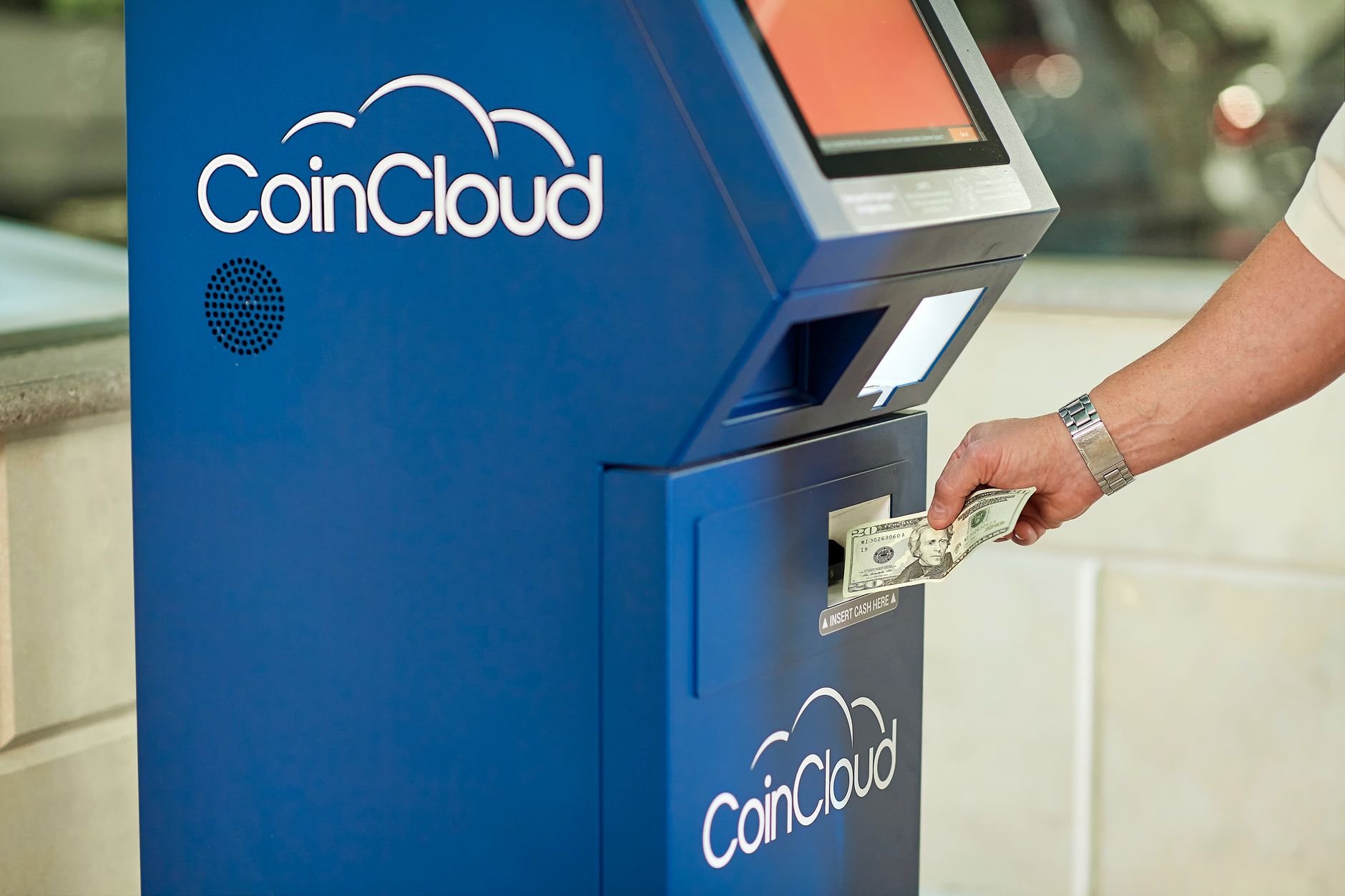
Imagen principal:Elise / Pexels
Bitcoin ATMs en Michigan: Discusión sobre Posible Prohibición Tras Pérdidas Millonarias
As millions of dollars vanish into local cryptocurrency terminals, policymakers and consumer advocates are facing mounting pressure to address a rising tide of digital asset exploitation. A comprehensive examination reveals how these kiosks function as preferred conduits for fraudsters and why a legislative prohibition is gaining serious consideration across the state.
The proliferation of cryptocurrency kiosks—commonly referred to as bitcoin ATMs—has transformed street corners, gas stations, and convenience stores throughout the United5 States, bringing digital currency transactions into everyday neighborhood spaces. However, this accessibility has introduced severe financial risks, creating a frictionless environment for bad actors to siphon millions of dollars from vulnerable citizens. According to reporting by the Detroit Free Press, the accelerating accumulation of consumer losses has sparked intense debates among public officials, law enforcement agencies, and community advocates regarding whether Michigan should implement a definitive state-level ban on bitcoin ATMs. This investigation examines the structural mechanics of these kiosks, the specific techniques perpetrators employ to manipulate victims, and the mounting evidence that suggests standard regulatory oversight may be insufficient to stem the tide of digital deception.
Contexto y antecedentes sobre los cajeros automáticos de Bitcoin en Míchigan
Cryptocurrency kiosks operate as physical terminals that allow individuals to exchange cash for digital assets like bitcoin, or vice versa, typically without the stringent identity verification measures historically required by traditional banking institutions. Over recent years, these machines have multiplied across Michigan, appearing in high-traffic retail locations where everyday consumers conduct routine errands. While proponents argue that these terminals provide financial access to the unbanked and foster technological innovation, investigative findings paint a starkly different picture of their primary utility in practice.
The physical placement of bitcoin ATMs in mundane commercial settings creates a false sense of institutional legitimacy for unsuspecting users. Consumers encounter these kiosks next to standard cash machines and lottery terminals, leading many to assume they operate under identical consumer protection frameworks. In reality, the operational landscape of cryptocurrency kiosks is fraught with regulatory grey areas, high transaction fees, and irreversible settlement mechanisms. As detailed by the Detroit Free Press, the rapid expansion of these terminals has outpaced the ability of local authorities to monitor their usage, setting the stage for a major public policy confrontation over consumer safety.
The Regulatory Vacuum Surrounding Physical Crypto Kiosks
Unlike traditional wire transfer services or commercial banks, physical bitcoin ATMs often operate via third-party operators who lease space from local merchants. This fragmented business model complicates regulatory oversight, as state and federal agencies frequently struggle to maintain accurate inventories of active machines or audit their transaction flows in real time. The lack of standardized monitoring allows high-risk transactions to occur continuously under the radar of traditional financial crime detection units.
Furthermore, the physical design of the transaction process is intentionally streamlined to prioritize speed over security. Users insert cash, scan a Quick Response code provided by an external party, and complete a transfer that cannot be reversed, canceled, or refunded by the kiosk operator. This structural reality forms the foundation of why policymakers are increasingly evaluating whether the mere presence of these machines poses an unmanageable systemic risk to the public.
The Scale of Financial Deception and Victim Losses
The financial toll inflicted by fraudulent schemes operating through physical cryptocurrency terminals has reached unprecedented levels in Michigan. Victims span diverse demographic backgrounds, though older adults are disproportionately targeted due to their perceived vulnerability to sophisticated confidence games. The Detroit Free Press documented individual losses that often total tens of thousands of dollars per incident, representing life savings, retirement funds, and emergency reserves wiped out in a matter of minutes.
Unlike digital scams where funds move through traceable international wire transfers or regulated bank accounts, cash deposited into a physical bitcoin ATM converts instantly into bearer assets. Once the digital currency is dispatched to a wallet address controlled by a perpetrator, recovery becomes virtually impossible. Law enforcement agencies report that these losses are severely underreported because victims frequently experience intense feelings of shame and embarrassment, further obscuring the true magnitude of the financial deception.
Demographic Impact and Psychographic Profiling
Perpetrators of kiosk-based scams utilize advanced psychological manipulation techniques to isolate victims and compel them to utilize physical ATMs. Investigations indicate that fraudsters frequently impersonate government officials, law enforcement personnel, or technical support representatives, convincing targets that their assets are in immediate danger unless converted into cryptocurrency. The urgency manufactured by these callers overrides the critical thinking of the victims, driving them physically out of their homes and directly to the nearest retail kiosk.
The physical exertion required to gather cash, drive to a local convenience store, and feed currency bills into a machine adds a behavioral layer that perpetrators exploit. By keeping victims on the phone throughout the entire journey—instructing them on what to say if questioned by store clerks—fraudsters ensure that the transaction is completed before any external intervention can occur.
Arguments for Implementing a State-Level Ban
Given the escalating volume of victim losses, consumer protection advocates and select lawmakers are making a forceful case for a complete statutory prohibition of bitcoin ATMs within Michigan. The core argument rests on the premise that these terminals serve virtually no legitimate, everyday economic purpose that cannot be fulfilled safer and more efficiently through regulated digital exchanges or traditional financial institutions.
Proponents of a ban emphasize that the inherent design of cryptocurrency kiosks makes them a magnet for illicit financial activity. According to insights highlighted by the Detroit Free Press, public officials are increasingly viewing the terminals not as innovative financial tools, but as predatory infrastructure that facilitates systemic financial exploitation. Enacting a state-level ban would effectively sever the local physical conduit that fraudsters rely upon to extract cash from Michigan residents.
| Operational Aspect | Traditional Banking / Regulated Exchange | Physical Bitcoin ATM Kiosk |
|---|---|---|
| Verificación de identidad | Strict KYC (Know Your Customer) and AML checks | Often minimal, relying on basic phone number entry |
| Transaction Reversibility | Fraud protections, chargebacks, and dispute resolution | Completely irreversible upon network confirmation |
| Consumer Protection Interventions | Automated fraud alerts and human teller reviews | None; anonymous cash-to-crypto conversion |
| Primary Economic Use | General savings, investments, and commercial payments | Disproportionately utilized for scam remittances |
Weighing Economic Freedom Versus Public Safety
Opponents of a prospective ban argue that prohibiting bitcoin ATMs infringes upon the financial autonomy of individuals who wish to engage in alternative asset markets. Industry representatives contend that the vast majority of transactions are legal and that penalizing kiosk operators punishes compliant businesses for the criminal acts of external fraudsters.
However, proponents of legislative action counter that the state possesses a compelling interest in protecting its citizenry from predatory business practices. When the social and financial costs borne by victims—ranging from personal bankruptcy to severe psychological distress—outweigh the commercial utility of the machines, regulatory prohibition becomes a necessary instrument of public welfare.
How Perpetrators Exploit Cryptocurrency Terminals
Understanding the mechanical steps of kiosk-based fraud is essential for evaluating why these machines are so difficult to police. Fraudsters do not need physical access to the bitcoin ATM itself; rather, they weaponize the kiosk remotely by directing victims to specific geographic locations and providing precise operational instructions.
The Detroit Free Press detailed several recurring operational vectors where kiosks play a central role in separating victims from their money. These schemes typically fall into distinct categories, each designed to exploit specific points of human anxiety or trust.
Common Scams Utilizing Kiosk Infrastructure
- Government Impersonation Scams: Fraudsters pose as agents from the Internal Revenue Service, Social Security Administration, or local law enforcement, claiming the victim faces immediate arrest unless they settle a fabricated debt via cryptocurrency.
- Tech Support Cons: Criminals manipulate computer screens remotely to display alarming virus warnings, directing callers to deposit cash into a bitcoin ATM to restore system security.
- Romance and Investment Traps: Long-term online confidence tricksters convince targets to invest their life savings into fraudulent cryptocurrency platforms, utilizing local kiosks as the primary on-ramp for cash deposits.
- Extortion and Blackmail: Perpetrators manufacture false pretexts of compromised personal data, demanding immediate payment through physical terminals to prevent public disclosure.
Institutional and Public Responses to the Crisis
As public awareness surrounding kiosk-related fraud grows, various institutional stakeholders are responding with a mix of warning campaigns, proposed ordinances, and investigative crackdowns. Local police departments across Michigan have ramped up public education efforts, urging retail store owners to monitor kiosks installed on their premises for suspicious customer behavior.
Despite these efforts, systemic responses remain fragmented. As reported by the Detroit Free Press, local law enforcement agencies frequently find their investigative reach stymied by the pseudonymous nature of blockchain transactions and the jurisdictional complexities of cross-border digital operators. This enforcement gap has fueled the legislative momentum behind proposals for a statutory ban.
Retailer Complicity and Liability Debates
A critical dimension of the ongoing public debate involves the liability of host businesses—such as gas stations and grocery stores—that rent floor space to bitcoin ATM operators. While these merchants typically receive a modest commission on transaction volume, they also become ground zero for financial deception.
Advocates argue that store employees are uniquely positioned to intervene when a distressed customer attempts to deposit thousands of dollars in cash while glued to a mobile phone. However, retail associations note that employees lack formal training in financial crime detection and should not be expected to act as frontline compliance officers for alternative currency networks.
Protecting Consumers Against Emerging ATM Fraud
Until legislative bodies enact structural prohibitions or comprehensive regulatory frameworks, consumers must rely on heightened vigilance to protect themselves from kiosk-based exploitation. Financial literacy organizations emphasize that legitimate public agencies, utilities, and corporate entities will never demand payment in the form of cryptocurrency deposited into a physical terminal.
Consumer protection guidelines stress that any cold call, unsolicited email, or urgent notification instructing an individual to withdraw cash and visit a retail kiosk should be treated as an immediate indicator of malicious intent. Verification through independent, trusted communication channels remains the most effective defense against sophisticated social engineering tactics.
Red Flags Checklist for Kiosk and Digital Asset Fraud
- Receiving urgent phone calls from individuals claiming to represent law enforcement, government agencies, or tech support demanding immediate financial restitution.
- Being instructed to keep a transaction secret from bank tellers, retail clerks, or family members while handling money.
- Being directed to withdraw physical cash from personal accounts to feed into a retail cryptocurrency kiosk or bitcoin ATM.
- Guarantees of astronomical investment returns coupled with pressure to convert traditional currency into digital assets immediately.
- Requests to scan a smartphone QR code provided by an unknown third party at a public terminal.
Frequently Asked Questions Regarding Crypto ATM Bans
What is a bitcoin ATM?
A bitcoin ATM is a physical electronic kiosk that allows users to purchase cryptocurrency using cash or debit cards, or occasionally sell digital assets for physical cash, operating independently of traditional teller-based banking networks.
Why are Michigan officials considering a ban on these terminals?
As documented by the Detroit Free Press, policymakers are evaluating a ban because millions of dollars are being stolen from vulnerable residents through scams that utilize these anonymous, irreversible cash-to-crypto conversion terminals.
Are bitcoin ATMs illegal in other states?
Several municipal and state jurisdictions across the country have begun introducing restrictive zoning laws, operational licensing requirements, or outright bans on physical cryptocurrency kiosks to curb surging financial fraud rates.
Can money lost in a bitcoin ATM scam be recovered?
Recovering funds deposited into a bitcoin ATM is exceptionally difficult, if not impossible, because cryptocurrency transactions are permanent, decentralized, and lack the consumer protection chargeback mechanisms associated with traditional credit cards.
How do fraudsters convince victims to use these kiosks?
Perpetrators use intense psychological pressure, impersonating authority figures or trusted entities over the telephone to convince victims that their money is in immediate danger unless rapidly converted via a local retail terminal.