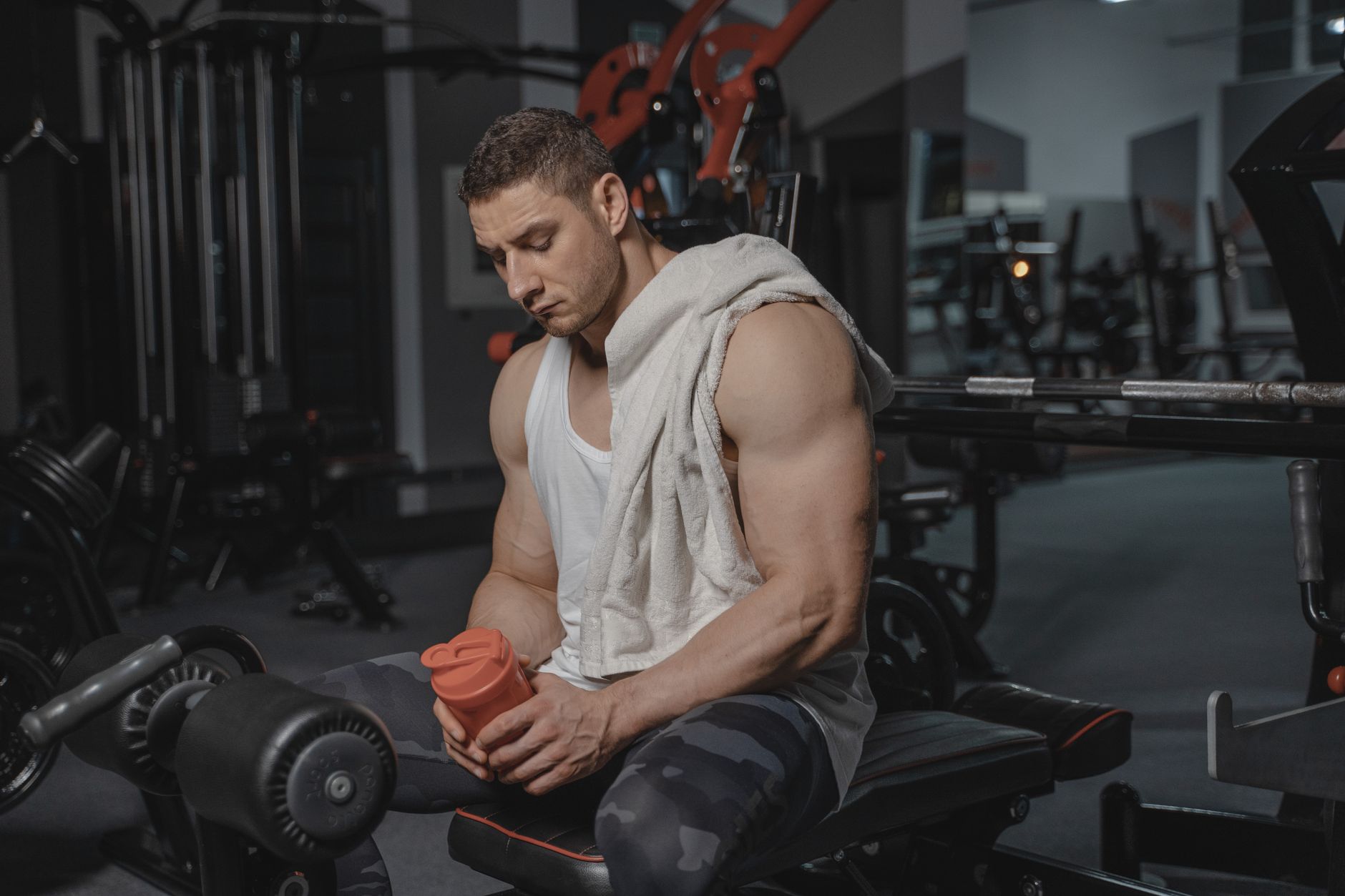
Imagen principal:Tima Miroshnichenko / Pexels
Mitos de recuperación muscular: lo que realmente dice la ciencia sobre la curación
Fitness culture is saturated with absolute statements regarding how the human body repairs itself after strenuous physical exertion. A close examination of reporting reveals that many widely accepted dogmas remain actively debated within the scientific community. By evaluating the actual evidence rather than fitness folklore, athletes and casual exercisers alike can navigate conflicting health advice more effectively.
Every day, gym-goers and endurance athletes are inundated with prescriptive advice on how to accelerate muscle recovery. From specific stretching routines to elaborate nutritional timing windows, the fitness industry presents these methods as settled science. However, a closer look at the available reporting uncovers a different reality: fundamental aspects of muscle recovery are still vigorously debated by researchers. When unverified claims are treated as absolute truth, consumers risk wasting time and money on unproven remedies while missing out on core physiological principles. This investigation examines how a prominent fitness claim originated, why scientists disagree on the details, and how evidence-based reasoning can help separate reliable physiological data from pervasive health misinformation.
Introduction to the Muscle Recovery Debate
The conversation surrounding human physical recovery is plagued by oversimplification. When individuals push their bodies to the limit through resistance training or cardiovascular exertion, microscopic damage occurs within muscle fibers. The human body responds by repairing these fibers, ultimately resulting in stronger and more resilient tissue. Yet, the exact timeline, optimal catalysts, and necessary interventions for this biological repair process remain subjects of ongoing scientific inquiry. What seems like a straightforward physiological response is actually a complex cascade of cellular signaling, inflammatory responses, and metabolic adaptations.
Public understanding of this topic is frequently muddied by commercial interests and fitness influencers who profit from selling certainty. According to reporting by AOL.com in their article titled “The Common Muscle Recovery Myth That’s Still Debated By Scientists,” various assumptions regarding muscle healing continue to divide researchers. Rather than accepting sweeping generalizations about post-workout care, a rigorous, evidence-based approach requires us to look at how these debates manifest in clinical literature. Understanding that science is an evolving process helps contextualize why advice on muscle recovery frequently shifts over time.
The stakes of this debate extend beyond mere athletic performance. Misinformation in the health and fitness sector can lead to overtraining, unnecessary purchases of expensive recovery gadgets, and unwarranted anxiety when standard recovery timelines are not met. By establishing a clear-eyed view of what researchers actually know—and what remains unknown—this publication aims to equip readers with the critical thinking tools needed to evaluate fitness claims critically. We must examine the roots of these fitness myths to understand why they persist so stubbornly in modern wellness culture.
Origins of the Widely Spread Fitness Claim
To understand why certain recovery myths endure, one must examine how fitness claims propagate through media and commercial channels. Historically, advice on physical conditioning was passed down empirically through coaching lineages, military training manuals, and bodybuilding lore. While some of these traditional practices contained grains of truth, others were based on superficial observations rather than controlled scientific studies. Over time, these observations hardened into dogmas that were repeated so frequently they assumed the status of immutable physical laws.
As AOL.com noted in its coverage of the muscle recovery debate, popularized fitness claims often gain traction because they offer simple, actionable solutions to complex biological problems. Consumers naturally crave certainty after a grueling workout; they want a definitive checklist that guarantees soreness will vanish and muscle growth will accelerate. Fitness marketers and lifestyle brands capitalize on this psychological vulnerability by packaging preliminary research or outright speculation as breakthrough medical science. This commercialization of wellness creates an echo chamber where nuance is systematically erased.
Furthermore, the rapid dissemination of information via digital platforms has accelerated the spread of unverified recovery claims. Social media algorithms reward sensationalism, bold assertions, and visual demonstrations of quick fixes over cautious, qualified scientific consensus. When an influencer with a massive following promotes a specific recovery ritual, it can take root globally within hours, long before independent researchers have had an opportunity to replicate or challenge the underlying premise. Tracing these origins reveals that many recovery myths survive not on the strength of their empirical backing, but on the efficiency of their marketing.
What the Source Material Reveals About the Dispute
A rigorous examination of the available reporting on this topic demonstrates that scientific consensus is far more elusive than commercial fitness platforms suggest. According to the reporting by AOL.com, experts are divided on several key tenets of how muscles recuperate after damage. While certain physiological markers of recovery can be measured reliably, the subjective experience of soreness and the optimal methods for mitigating it remain fiercely contested among physiologists and sports medicine researchers.
Conflicting Interpretations of Soreness
One central point of contention highlighted in the source material involves the precise role and meaning of delayed onset muscle soreness, commonly referred to as DOMS. For decades, conventional fitness wisdom dictated that soreness was a direct indicator of muscle growth and recovery status—the more you hurt, the better the adaptation. However, contemporary scientific scrutiny reveals that the relationship between soreness and muscle hypertrophy is far more nuanced. Researchers cited in the coverage point out that lack of soreness does not equate to an ineffective workout, nor does severe soreness guarantee optimal muscular adaptation.
Methodological Disagreements Among Researchers
The debate also encompasses the efficacy of various interventions designed to speed up the healing process. While some studies suggest certain modalities offer subjective relief, others find little to no statistical difference when compared to passive rest. This discrepancy often stems from methodological limitations in sports science research, such as small sample sizes, difficulties in blinding participants to physical treatments, and the high variability in individual fitness baselines. Consequently, what appears to be a robust finding in one laboratory setting frequently fails to replicate in broader, more diverse populations.
Analyzing the Scientific Disagreements
To fully grasp why scientists continue to debate common muscle recovery claims, one must examine the inherent complexities of human physiology. No two bodies respond to mechanical tension, metabolic stress, and muscle damage in an identical manner. Factors such as genetic predisposition, age, sleep quality, nutritional status, and baseline fitness levels introduce massive variables that complicate clinical studies. When researchers attempt to isolate a single variable—such as the exact impact of a specific recovery technique—controlling for these confounding factors is exceptionally difficult.
Moreover, the scientific method relies on skepticism, replication, and peer review, which inherently means that consensus takes time to build. In contrast, the wellness industry operates on a continuous demand for novelty. When a preliminary study suggests a potential mechanism for enhanced recovery, commercial entities frequently leap from preliminary hypothesis to commercial product without waiting for long-term validation. This creates a perpetual tension between the cautious, incremental progress of empirical science and the impatient, trend-driven nature of consumer fitness culture.
Another layer of disagreement lies in the interpretation of biological markers. For instance, researchers may measure inflammatory cytokines or creatine kinase levels in the blood to assess muscle damage and repair. However, an elevation in these markers does not always translate to functional impairment or long-term detriment. Scientists often debate whether attempting to blunt these natural inflammatory responses artificially—such as through heavy reliance on specific anti-inflammatory interventions—might actually interfere with the body’s natural signaling pathways for muscle strengthening and adaptation.
How Health Misinformation Spreads in Fitness Culture
Health misinformation in the fitness space rarely looks like outright falsehood; instead, it typically takes the form of exaggerated truths, misplaced correlations, and over-generalized study results. Understanding the mechanics of how these narratives spread is essential for anyone seeking evidence-based wellness guidance. The ecosystem of fitness misinformation relies heavily on psychological biases, charismatic authorities, and sophisticated digital distribution networks that bypass traditional scientific vetting.
The Role of Authority Bias and Testimonials
A primary vehicle for fitness myths is authority bias—the tendency to attribute high credibility to an individual based on their physical appearance, athletic title, or perceived expertise rather than their empirical backing. When a professional athlete or a charismatic fitness personality endorses a specific recovery protocol, consumers often assume it is backed by rigorous clinical data. In reality, elite athletes often succeed in spite of their recovery habits due to exceptional genetics and comprehensive support teams, rather than because of the specific commercial product or unverified myth they are promoting.
Distortion of Scientific Literature
Another common vector for misinformation is the distortion of academic research. Propagandists and marketers frequently cherry-pick isolated findings from low-powered or animal studies, strip them of their methodological caveats, and present them as definitive proof of a new recovery breakthrough. Headlines are crafted to provoke awe or fear, encouraging shares and clicks while sacrificing accuracy. Combatting this phenomenon requires media consumers to look past sensationalized summaries and examine the actual scope, limitations, and consensus of the broader scientific literature.
Evaluating Evidence-Based Recovery Practices
When cutting through the noise of conflicting fitness advice, what recovery practices actually stand up to rigorous scientific scrutiny? Evidence-based sports medicine consistently points back to foundational physiological needs rather than exotic gadgets or proprietary supplements. While the debates continue at the margins of cellular biology, the core pillars of human recovery remain remarkably consistent across robust clinical literature.
- Sleep Architecture: Quality, uninterrupted sleep is consistently demonstrated to be the most potent catalyst for physical repair, facilitating optimal growth hormone release and tissue regeneration.
- Nutritional Adequacy: Providing the body with sufficient energy and adequate protein intake supplies the essential amino acids required for muscle protein synthesis, superseding the need for hyper-specific nutrient timing windows.
- Gradual Progression: Managing training volume and intensity allows the musculoskeletal system to adapt organically, reducing the incidence of excessive micro-trauma that requires prolonged healing.
- Active Recovery: Light, low-impact movement can promote blood flow and metabolic clearance without imposing additional mechanical stress on damaged muscle fibers.
| Recovery Claim | Scientific Status | Evidencia Basada en la Realidad |
|---|---|---|
| Specific stretching eliminates soreness completely | Debated / Unproven | May offer temporary subjective relief, but does not alter the fundamental timeline of muscle tissue repair. |
| Sleep and nutrition are secondary to targeted supplements | Falso | Core physiological recovery depends entirely on adequate rest and macronutrient availability; supplements play a minor role. |
| Complete passivity is required for healing | Debated | Active recovery involving light movement often equals or outperforms total rest in maintaining mobility and blood flow. |
Lista de Señales de Alerta
To help readers independently evaluate claims encountered online, in gyms, or through marketing materials, this red flags checklist identifies common indicators of health misinformation and deceptive fitness marketing:
- Promises of rapid, guaranteed elimination of muscle soreness or fatigue within hours.
- Heavy reliance on personal anecdotes and celebrity testimonials rather than peer-reviewed clinical trials.
- Claims that mainstream scientists or medical establishments are suppressing a “secret” recovery method.
- The immediate monetization of a preliminary scientific study through the sale of proprietary devices, powders, or programs.
- Use of pseudoscientific jargon and sensational buzzwords without clear physiological definitions.
- Presenting correlation as causation—asserting that because a method is used by elite performers, it directly caused their success.
Navigating Conflicting Health Advice
Navigating the turbulent waters of modern health advice requires adopting a posture of measured skepticism and intellectual humility. Because science is an ongoing process of discovery, refinement, and occasional contradiction, consumers should feel comfortable holding tentative beliefs that can be updated as new, higher-quality evidence emerges. When confronted with a novel recovery claim, the prudent approach is to ask fundamental questions: Who funded this study? Has it been replicated by independent researchers? Is the proposed mechanism biologically plausible, or is it an exaggerated marketing pitch?
Furthermore, recognizing that simple answers to complex biological questions are almost always misleading can protect individuals from falling prey to financial deception and pseudoscientific fads. True physiological optimization is rarely glamorous; it centers on consistency in sleep, nutrition, training dosage, and stress management rather than purchasing the latest recovery miracle. By grounding decisions in established physiological principles and paying close attention to the actual degree of scientific consensus, individuals can safeguard their health, their finances, and their peace of mind.
Frequently Asked Questions on Muscle Recovery
Is muscle soreness a reliable indicator of effective recovery?
No. Research demonstrates that delayed onset muscle soreness is an imperfect marker of muscle damage and bears little direct correlation to long-term hypertrophy or optimal recovery status.
Do expensive recovery gadgets outperform basic rest?
In many cases, clinical evidence suggests that standard sleep and nutritional practices yield superior recovery outcomes compared to costly commercial recovery devices, which often provide primarily subjective benefits.
Why do scientists disagree on basic recovery timelines?
Human physiology varies vastly due to genetics, age, and lifestyle factors, making it exceptionally difficult to establish rigid timelines that apply universally across diverse populations.
Does immediate post-workout nutrition dictate recovery success?
While adequate daily protein and caloric intake are essential, the rigid, narrow post-workout anabolic window often touted in fitness media is heavily exaggerated by marketing interests.
How can consumers spot misleading fitness claims online?
Consumers can protect themselves by checking for peer-reviewed citations, questioning sensationalized headlines, and watching for the red flag of immediate product monetization following preliminary studies.