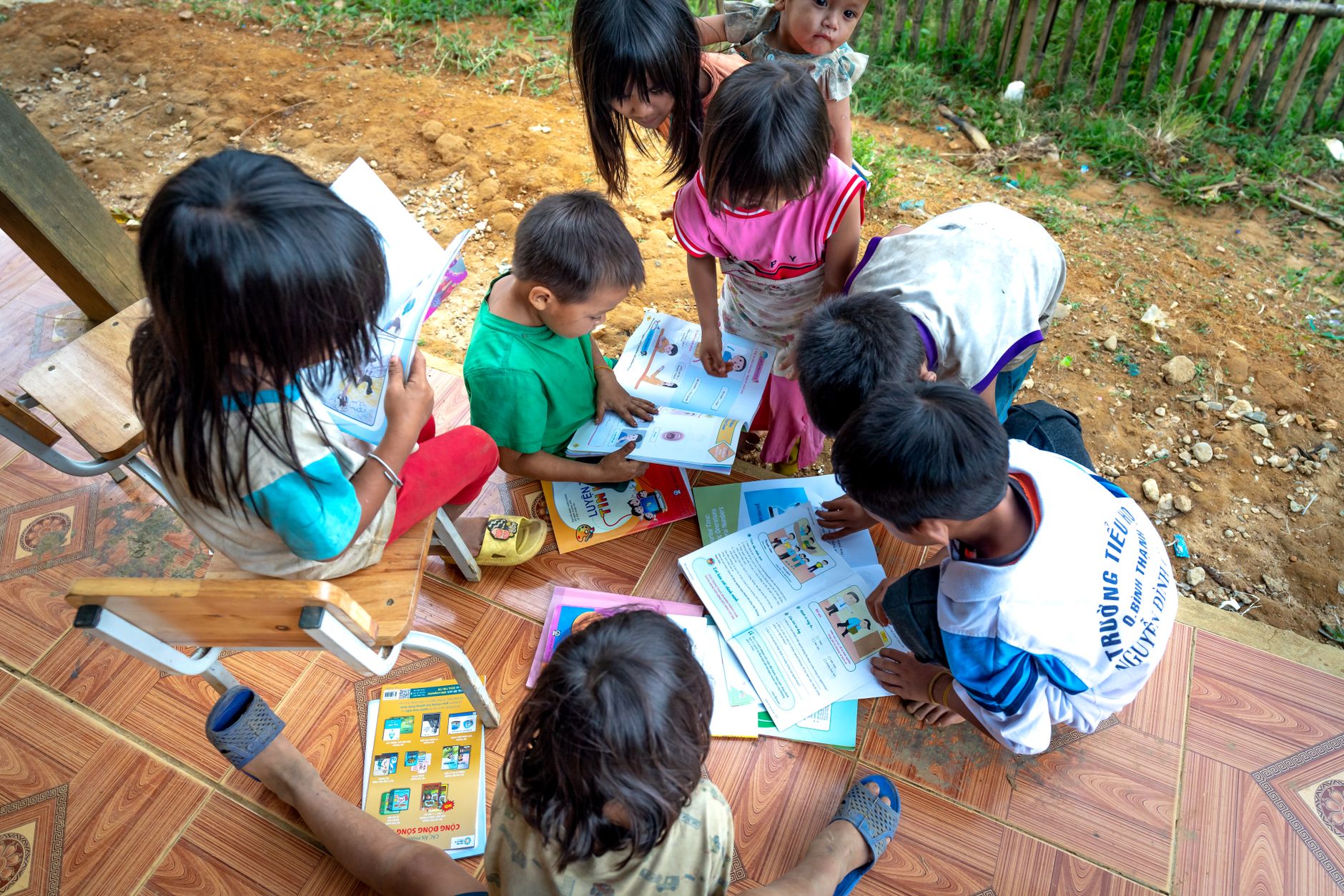
Imagen principal:Quang Nguyen Vinh / Pexels
Proyecto Info-Suraksha: Necesidades de Alfabetización en Salud en India
An evidence-based examination of health information-seeking behaviors and social media literacy among school students and educators in India. This investigation explores the vulnerabilities exposed by digital platforms and evaluates the findings published in Cureus under Project Info-Suraksha.
The rapid proliferation of digital connectivity across India has fundamentally altered how citizens access, consume, and share health-related information. While social media platforms democratize medical knowledge, they simultaneously serve as vectors for unverified remedies, deceptive health claims, and medical misinformation. Within educational environments, where students and educators form the foundational pillars of learning, the absence of robust media literacy creates acute vulnerabilities to digital falsehoods. Addressing this pressing public health challenge requires a rigorous examination of how individuals seek health guidance online, the specific gaps in their critical appraisal skills, and the structural interventions necessary to safeguard public well-being.
Context and Background of Project Info-Suraksha
Project Info-Suraksha emerged as a targeted response to the escalating volume of unverified medical narratives circulating on digital networks within India. As smartphones and affordable mobile data penetrated semi-urban and rural classrooms, the boundary between peer-to-peer communication and clinical advice blurred significantly. Educational institutions, historically viewed as trusted bastions of verified knowledge, increasingly found themselves navigating the fallout of viral health myths among impressionable youth and teaching staff alike.
The initiative was designed to evaluate the baseline understanding of digital ecosystems, focusing heavily on how students and teachers discern credible health reports from fabricated narratives. By examining the structural realities of information consumption, Project Info-Suraksha sought to establish a comprehensive needs assessment. This foundational research aimed to map out the exact vulnerabilities that allow false medical treatments and unverified health claims to take root in academic communities.
Understanding the architecture of these digital vulnerabilities requires looking closely at the socio-technical environment in India. The sheer volume of content circulating daily across messaging applications and social feeds overwhelms traditional verification mechanisms. Consequently, Project Info-Suraksha positioned itself as an empirical investigation to understand user behavior, psychological drivers, and institutional readiness in combating the tide of digital health deception.
The Role of Social Media in Health Information-Seeking
The Shift from Clinical Consultations to Digital Feeds
Modern health information-seeking behavior has undergone a profound shift away from traditional healthcare providers toward social media algorithms. Students and educators frequently turn to video-sharing platforms, microblogging sites, and encrypted messaging applications for quick answers to health queries. These platforms utilize engagement-driven algorithms that prioritize sensationalism, emotional resonance, and dramatic narratives over scientific accuracy, directly influencing how users perceive medical interventions.
Algorithmic Amplification of Deceptive Claims
The mechanics of social media ecosystems inherently favor content that generates high emotional engagement, such as fear, urgency, or false hope. Unverified treatments and sensational health claims exploit these algorithmic preferences to achieve viral reach before public health authorities can issue corrections. For school students and educators who lack specialized medical training, distinguishing between sponsored promotional content, anecdotal testimonials, and peer-reviewed scientific evidence presents a formidable challenge.
The Pervasiveness of Informal Health Advice
Within digital networks, informal health advice often masquerades as expert consensus. Influencers and unverified accounts routinely share lifestyle modifications, dietary restrictions, and fake cures without empirical backing. The research published in Cureus highlights how reliance on these informal channels diminishes trust in legitimate medical institutions and encourages risky health behaviors among vulnerable student populations.
Assessing Literacy Gaps Among Students and Educators
Evaluating the capacity of school communities to process medical information reveals significant gaps in digital and health literacy across both student and educator cohorts. While students often possess high technical proficiency in navigating mobile interfaces, their ability to critically evaluate the source, methodology, and empirical backing of health content remains alarmingly low. They frequently evaluate credibility based on visual aesthetics, follower counts, or emotional resonance rather than evidentiary standards.
Conversely, educators face distinct challenges characterized by a generational gap in digital media navigation coupled with a strong inclination to trust authoritative-looking formatting online. Teachers, who occupy a trusted role in guiding student inquiry, often struggle to identify sophisticated digital manipulations, deepfakes, or subtle pseudoscientific framing. This dual vulnerability creates a compounding risk within educational settings, where unverified health narratives can circulate unchecked from peers to teachers and back again.
The Cureus publication details how these literacy deficits manifest in daily decision-making, noting that without formal training in source verification, individuals default to confirmation bias. When users encounter a health claim that aligns with their preexisting beliefs or desires for a quick remedy, the likelihood of scrutinizing its origin drops precipitously. This behavioral pattern underscores the urgent need for structured educational interventions tailored specifically to health information literacy.
Methodology of the Needs Assessment
To capture an accurate picture of information-seeking habits, the needs assessment under Project Info-Suraksha employed rigorous empirical methodologies. Researchers structured comprehensive evaluation frameworks to capture quantitative metrics and qualitative insights from diverse cohorts of school students and educational staff. The investigative design focused on measuring current digital habits, frequency of health information encounters, and the specific criteria participants use to determine trustworthiness.
Data collection instruments included structured questionnaires, behavioral surveys, and analytical evaluations designed to test participants’ ability to spot fabricated medical claims. By engaging a representative sample across educational environments, the assessment mapped out correlations between demographic variables, platform preferences, and susceptibility to misinformation. This systematic approach ensured that the resulting policy recommendations and institutional guidelines were grounded strictly in empirical evidence rather than speculative assumptions.
Furthermore, the assessment methodology accounted for the psychological and social factors driving the sharing of unverified health content. By analyzing why users propagate questionable remedies—such as the desire to help peers or the appeal of alternative solutions—the research team provided a nuanced view of the digital information pipeline. This methodological rigor ensures that subsequent interventions can target the root cognitive and structural causes of health misinformation.
Key Findings from the Cureus Publication
The publication in Cureus details critical empirical insights regarding the state of health literacy and information-seeking behavior in Indian schools. As reported by Cureus, a substantial proportion of students and educators routinely encounter unverified health claims on social media platforms, with messaging applications serving as primary vectors for the rapid dissemination of fake cures.
According to Cureus, participants demonstrated a widespread reliance on digital feeds for health inquiries, yet exhibited critical deficiencies in source verification practices. The findings indicate that while educators express a high desire for reliable medical guidance, formal training in digital health literacy remains largely absent from standard professional development curricula. Similarly, students show high vulnerability to viral health trends that promise rapid, effortless solutions to complex medical conditions.
The Cureus study also emphasizes the psychological dimensions of misinformation consumption, noting that emotional engagement heavily dictates whether a user investigates a claim further or simply shares it. These empirical observations underscore that technical restrictions alone cannot curb the spread of medical falsehoods; empowering users with critical appraisal skills is an absolute prerequisite for public health resilience.
Lista de Señales de Alerta
Identifying deceptive health claims and unverified medical cures on social media requires systematic scrutiny. Use this evidence-based checklist to evaluate questionable digital content:
- Miracle Cures: Promotes rapid, effortless, or guaranteed healing for complex, chronic, or incurable medical conditions.
- Conspiracy Appeals: Claims that mainstream medical institutions, doctors, or regulatory bodies are actively suppressing the remedy.
- Manipulación Emocional: Uses high-urgency language, fear-mongering, or deeply personal anecdotes designed to bypass rational analysis.
- Vague Scientific Attribution: References unnamed “studies,” “experts,” or “secret laboratories” without providing verifiable citations, journal names, or institutional affiliations.
- Commercial Motives: Immediately directs the user to purchase a proprietary supplement, uncertified device, or exclusive digital guide.
- Absence of Peer Review: Relies entirely on social media video testimonials, screenshots, or blog posts rather than independent clinical trials.
Implications for Addressing Misinformation in India
The evidence compiled under Project Info-Suraksha carries profound implications for public health policy and educational administration across India. When students and teachers internalize unverified health narratives, the potential for community-wide public health compromise multiplies rapidly. Unchecked medical misinformation undermines vaccination campaigns, promotes dangerous dietary restrictions, and delays necessary clinical interventions for serious illnesses.
Mitigating these risks requires moving beyond reactive content moderation toward proactive capacity building. Educational authorities must recognize that digital health literacy is as fundamental to modern survival as traditional literacy or numeracy. Integrating critical media evaluation into school curricula ensures that the next generation of citizens develops cognitive resilience against deceptive online actors.
Moreover, public health agencies must collaborate directly with educational institutions to establish transparent, accessible channels for verified medical facts. By bridging the gap between clinical research and classroom learning, society can counteract the emotional appeal of fake cures with rigorous, evidence-based communication strategies.
Comparative Analysis: Deceptive Health Claims vs. Legitimate Medical Signals
| Evaluation Metric | Deceptive Health Claims (Fake Cures) | Legitimate Medical Evidence |
|---|---|---|
| Source Transparency | Anonymous influencers, unverified social media profiles, proprietary blogs. | Peer-reviewed medical journals, accredited hospitals, recognized public health bodies. |
| Tone and Presentation | Sensational, emotionally charged, urgent, absolute guarantees of success. | Measured, objective, acknowledging limitations, probabilistic risk assessment. |
| Evidentiary Basis | Anecdotal testimonials, personal stories, selective interpretations of data. | Controlled clinical trials, systemic reviews, transparent methodological data. |
| Financial Incentives | Pushes immediate purchase of exclusive supplements, secret remedies, or paid courses. | Transparent dissemination of knowledge without direct consumer sales pressure. |
Recommendations for Institutional Interventions
To effectively address the literacy gaps identified in the Cureus publication, systematic institutional changes must be implemented across the educational landscape in India. Schools and policymakers should adopt structured frameworks that empower both students and educators to navigate digital spaces safely.
First, educational boards should integrate media literacy and health information appraisal into core school curricula. Students must be taught how to trace claims to primary sources, evaluate institutional authority, and recognize common logical fallacies in digital advertising and viral posts.
Second, continuous professional development programs must be established for educators. Teachers require dedicated training on emerging digital misinformation tactics, enabling them to guide students effectively and avoid inadvertently propagating unverified health narratives within their classrooms.
Third, academic institutions should foster partnerships with local public health authorities to create reliable clearinghouses for health information. Providing schools with easy access to verified medical guidance ensures that educators and students have a dependable benchmark when evaluating trending health topics online.
Preguntas Frecuentes
What is Project Info-Suraksha?
Project Info-Suraksha is an investigative and research initiative focused on assessing health information-seeking behaviors, social media literacy, and vulnerabilities to medical misinformation among school students and educators in India.
What does the Cureus publication reveal about health information-seeking?
As reported by Cureus, the study highlights that students and educators heavily rely on social media and messaging apps for health queries, yet frequently lack the critical appraisal skills needed to distinguish between verified science and fake cures.
Why are school students and educators particularly vulnerable?
Students often evaluate information based on emotional resonance and visual appeal rather than scientific rigor, while educators face generational digital literacy gaps and a lack of formal training in source verification.
What role do messaging apps play in spreading health misinformation?
Encrypted messaging applications serve as primary vectors for viral health myths because information shared within peer networks is often perceived as inherently trustworthy, bypassing standard critical scrutiny.
How can schools combat medical misinformation effectively?
Schools can combat misinformation by integrating critical digital literacy into curricula, providing specialized training for teachers, and establishing clear pathways to verified public health resources.