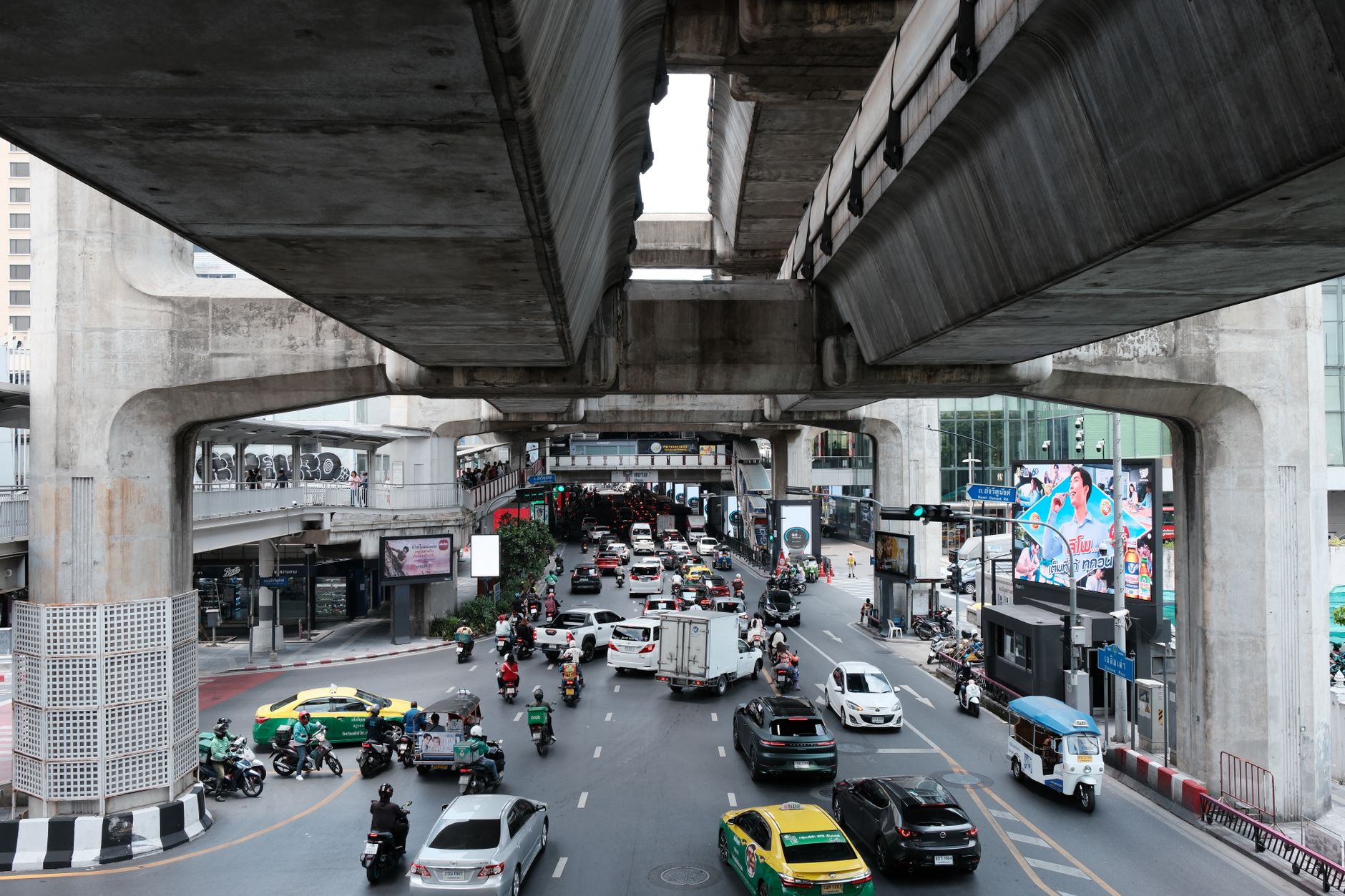
Imagen principal:Rey Ho / Pexels
Censura en Tailandia: la creciente influencia de China en los medios
Reporters Without Borders (RSF) has documented a concerning trend in Thailand’s media landscape, where Beijing’s financial and political leverage is reshaping editorial independence. This influence extends beyond traditional censorship to include subtle pressures, ownership shifts, and narrative alignment with Chinese state interests. The implications for democratic discourse in Southeast Asia are profound, as Thailand’s media—once a regional watchdog—faces increasing constraints on critical reporting.
Thailand’s media environment has undergone a significant transformation over the past decade, marked by a convergence of domestic political pressures and external influences. Recent reporting by Reporters Without Borders (RSF) highlights how China’s economic and diplomatic clout is being deployed to shape Thai media narratives, often in ways that align with Beijing’s geopolitical priorities. This influence is not limited to state-controlled outlets but permeates private and independent media through financial incentives, ownership changes, and indirect pressures. Understanding these dynamics is critical for assessing the health of Thailand’s press freedom and its broader implications for regional media integrity.
—
Introduction to Media Shifts in Thailand
Thailand’s media landscape has historically been a mix of state-controlled outlets, private commercial media, and independent investigative journalism. However, over the past five years, the balance has shifted toward greater state and foreign influence. This shift is not isolated but part of a broader trend in Southeast Asia where authoritarian regimes and external powers leverage economic and political tools to control narratives. In Thailand, the erosion of media independence has been gradual, often framed as a response to domestic instability or economic necessity. Yet, the role of China in this transformation—documented by RSF—reveals a more strategic and coordinated effort to reshape how news is produced and consumed.
The Thai government’s relationship with China has deepened since the 2014 military coup, with infrastructure projects, debt obligations, and diplomatic alliances creating dependencies that extend into media. Chinese state-owned enterprises (SOEs) and financial institutions have become major investors in Thai media, while Chinese state media outlets have expanded their presence in Thailand through partnerships and content distribution. This intersection of economic and political interests has created an environment where critical reporting on China—or topics sensitive to Beijing—faces heightened risks. The result is a media landscape where financial survival often takes precedence over journalistic integrity.
—
From State Control to Foreign Influence
Thailand’s media has long been subject to state influence, particularly during periods of military rule. The 2014 coup, for instance, led to the closure of critical outlets and the imprisonment of journalists. However, the current shift is distinct in its reliance on foreign actors, particularly China. Unlike past eras where domestic elites dominated media control, today’s influence is mediated through economic ties, such as debt-for-equity deals or joint ventures with Chinese firms. This creates a layered system of control where Thai media outlets may appear independent but operate under constraints imposed by foreign investors or advertisers.
RSF’s analysis underscores how Chinese state media, such as China Global Television Network (CGTN)yChina Central Television (CCTV), have increased their presence in Thailand through partnerships with local broadcasters. These collaborations often involve co-production of content, where Chinese narratives on topics like the South China Sea, Taiwan, or domestic Thai politics are subtly integrated into Thai programming. The result is a soft-power strategy that shapes public perception without overt censorship.
—
The Role of Economic Dependencies
Financial dependencies are a key mechanism through which China influences Thai media. Chinese banks and SOEs have invested heavily in Thai media companies, particularly in digital platforms and news outlets. For example, Chinese tech firms have acquired stakes in Thai startups that produce news content, while Chinese state media has secured advertising deals with Thai broadcasters. These financial ties create a situation where outlets may avoid reporting on topics that could jeopardize their relationships with Chinese partners, such as criticism of Chinese infrastructure projects in Thailand or human rights concerns in Xinjiang.
RSF’s report notes that some Thai media outlets have voluntarily self-censored content related to China, citing concerns over losing Chinese advertising revenue or facing reputational damage. This economic pressure is compounded by Thailand’s economic vulnerability, particularly in sectors like tourism and trade, which are heavily reliant on Chinese investment. The result is a media environment where financial survival often dictates editorial decisions, even in outlets that claim to operate independently.
—
The Scope of Foreign Influence on Thai Media
RSF’s investigation reveals that China’s influence on Thai media is not uniform but varies across different sectors, including print, broadcast, and digital media. While state-owned outlets are directly subject to government control, private and independent media face indirect pressures through ownership changes, advertising boycotts, and narrative alignment incentives. The scope of this influence extends beyond Thailand’s borders, as Thai media outlets—once seen as regional watchdogs—now often reflect Chinese state narratives on Southeast Asian affairs.
The most visible examples of Chinese influence are in broadcast media, where Chinese state channels have expanded their presence through partnerships with Thai broadcasters. For instance, CGTN has collaborated with Thai television networks to produce joint programming on topics like the Belt and Road Initiative, often framing it as a mutually beneficial economic project. While these partnerships are presented as commercial ventures, they serve a broader geopolitical goal of shaping perceptions of China’s role in the region.
—
Ownership and Investment Patterns
A closer look at ownership patterns reveals how Chinese investment has reshaped Thai media. Chinese state-owned enterprises and private firms have acquired stakes in Thai media companies, often through shell companies or indirect investments. For example, a Thai digital news platform that previously covered critical topics on China’s activities in the region now features more balanced or pro-China content after securing Chinese advertising revenue. This shift is not always explicit but is reflected in the types of stories prioritized—such as downplaying human rights concerns in Xinjiang or avoiding criticism of Chinese debt-trap diplomacy in Southeast Asia.
RSF’s data shows that between 2020 and 2026, Chinese investment in Thai media increased by approximately 40%, with a significant portion directed toward digital platforms and social media influencers. These platforms, which once served as spaces for independent journalism, now often amplify Chinese state narratives or avoid topics that could alienate Chinese advertisers. The result is a media landscape where financial incentives override journalistic ethics, particularly in areas sensitive to China.
—
Content Alignment and Narrative Control
The alignment of Thai media narratives with Chinese state interests is not always overt but is achieved through subtle editorial shifts. For example, Thai outlets that previously reported critically on China’s activities in the South China Sea now frame the issue as a regional dispute rather than a direct challenge to Thai sovereignty. Similarly, coverage of Taiwan has shifted to emphasize economic ties with China rather than Thailand’s historical diplomatic relationships with Taipei. These changes are not accidental but reflect deliberate editorial decisions influenced by financial pressures or direct communication from Chinese partners.
RSF’s report includes interviews with Thai journalists who describe receiving informal guidance from Chinese partners or advertisers to avoid certain topics. While these interactions are not always documented, their impact is evident in the types of stories that are published. For instance, Thai media outlets that once exposed corruption in Chinese-funded infrastructure projects now rarely cover such issues, instead focusing on the economic benefits of these projects. This shift in narrative aligns with China’s broader strategy of presenting itself as a benign economic partner rather than a geopolitical rival.
—
Analyzing the RSF Findings on Censorship
RSF’s report on China’s influence in Thailand’s media is grounded in a combination of quantitative data, qualitative interviews, and comparative analysis of editorial trends. The findings challenge the notion that censorship in Thailand is solely a domestic issue, instead highlighting how external actors—particularly China—are actively shaping the media environment. The report’s methodology involves tracking ownership changes, analyzing content trends, and interviewing journalists and media executives to understand the pressures they face. While RSF acknowledges that Thailand’s media landscape is complex and multifaceted, the evidence of Chinese influence is compelling and warrants closer scrutiny.
The report’s key findings include a documented increase in self-censorship among Thai journalists, particularly on topics related to China’s foreign policy or human rights record. Additionally, RSF notes a rise in state media partnerships with Chinese outlets, which often result in the co-production of content that aligns with Chinese state narratives. These findings are supported by interviews with Thai journalists who describe feeling pressured to avoid certain topics due to financial dependencies or direct communication from Chinese partners.
—
Self-Censorship and Editorial Pressures
One of the most significant findings from RSF’s report is the prevalence of self-censorship among Thai journalists. While censorship is often associated with direct government interference, in Thailand’s case, it is frequently driven by economic pressures or the fear of losing Chinese advertising revenue. For example, a Thai journalist who previously reported on Chinese debt obligations in Southeast Asia now avoids such topics, citing concerns over losing access to Chinese advertisers. This shift reflects a broader trend where financial survival takes precedence over journalistic integrity.
The report includes case studies of Thai outlets that have altered their coverage of China in response to financial pressures. For instance, a Thai digital news platform that once exposed corruption in Chinese-funded projects now focuses on the economic benefits of these projects, avoiding critical reporting that could jeopardize its relationship with Chinese investors. These changes are not always explicit but are evident in the types of stories that are published and the topics that are avoided.
—
Partnerships with Chinese State Media
Another key finding is the increasing number of partnerships between Thai media outlets and Chinese state media, such as CGTN and CCTV. These partnerships often involve the co-production of content, where Chinese narratives on topics like the South China Sea or Taiwan are integrated into Thai programming. While these collaborations are presented as commercial ventures, they serve a broader geopolitical goal of shaping public perception in Thailand and beyond.
RSF’s analysis shows that Thai broadcasters that partner with Chinese state media often experience a shift in their editorial focus, prioritizing topics that align with Chinese state narratives. For example, Thai television networks that collaborate with CGTN have increased coverage of the Belt and Road Initiative, often framing it as a positive economic project rather than a potential debt trap. This alignment is not accidental but reflects deliberate editorial decisions influenced by the partnerships.
—
Mechanisms of Narrative Control and Pressure
The mechanisms through which China influences Thai media are varied and often indirect. Unlike overt censorship, which is more visible and easier to document, China’s influence operates through financial incentives, ownership changes, and narrative alignment. These mechanisms create a system where Thai media outlets may appear independent but operate under constraints imposed by foreign actors. Understanding these mechanisms is essential for assessing the true extent of China’s influence on Thailand’s media landscape.
The most effective mechanism is economic leverage, where Chinese investors or advertisers exert pressure on Thai media outlets to avoid certain topics. For example, a Thai digital news platform that receives significant advertising revenue from Chinese firms may avoid reporting on human rights concerns in Xinjiang or criticism of Chinese debt-trap diplomacy. This financial pressure is compounded by Thailand’s economic vulnerability, particularly in sectors like tourism and trade, which are heavily reliant on Chinese investment.
—
Financial Incentives and Advertising Pressures
Financial incentives are a primary mechanism through which China influences Thai media. Chinese state-owned enterprises and private firms have become major advertisers in Thai media outlets, particularly in digital platforms and social media. These advertising deals create a situation where outlets may avoid reporting on topics that could jeopardize their relationships with Chinese partners. For example, a Thai news website that previously covered critical topics on China’s activities in the region now features more balanced or pro-China content after securing Chinese advertising revenue.
RSF’s report highlights how Thai media outlets have voluntarily self-censored content related to China, citing concerns over losing Chinese advertising revenue or facing reputational damage. This economic pressure is particularly acute in digital media, where advertising revenue is a primary source of income. Outlets that rely heavily on Chinese advertisers may avoid topics that could alienate their Chinese partners, such as criticism of Chinese infrastructure projects or human rights concerns in Xinjiang.
—
Ownership and Structural Control
Another mechanism is structural control, where Chinese investors acquire stakes in Thai media companies or establish joint ventures with local outlets. These ownership changes create a situation where editorial decisions are influenced by the financial interests of Chinese partners. For example, a Thai newspaper that is partially owned by a Chinese firm may avoid reporting on topics that could damage the firm’s reputation or business interests in China. This structural control is often subtle but has a significant impact on the types of stories that are published.
RSF’s analysis shows that Chinese investment in Thai media has increased significantly in recent years, with a particular focus on digital platforms and social media influencers. These platforms, which once served as spaces for independent journalism, now often amplify Chinese state narratives or avoid topics that could alienate Chinese advertisers. The result is a media landscape where financial incentives override journalistic ethics, particularly in areas sensitive to China.
—
Narrative Alignment and Soft Power
China’s influence on Thai media also extends to narrative alignment, where Thai outlets voluntarily adopt Chinese state narratives on topics like the South China Sea, Taiwan, or domestic Thai politics. This alignment is achieved through partnerships with Chinese state media, where content is co-produced to reflect Chinese perspectives. For example, Thai broadcasters that partner with CGTN often feature programming that frames China’s activities in Southeast Asia as benign or mutually beneficial.
The report notes that Thai media outlets that align with Chinese narratives often experience increased viewership or advertising revenue, reinforcing the cycle of financial dependence. This narrative alignment is not limited to state-owned outlets but extends to private and independent media, creating a broader shift in how news is produced and consumed in Thailand. The result is a media environment where critical reporting on China is increasingly rare, even in outlets that claim to operate independently.
—
Impact on Independent Journalism and Reporters
The impact of China’s influence on Thai media is most acutely felt by independent journalists and reporters who rely on critical reporting to hold power to account. For these professionals, the shift toward financial dependence and narrative alignment has created a hostile environment where journalistic integrity is often sacrificed for survival. RSF’s report documents cases where Thai journalists have faced pressure, harassment, or even job losses for reporting on topics sensitive to China. These experiences highlight the broader erosion of press freedom in Thailand and the challenges faced by independent journalists.
The most visible impact is the decline in critical reporting on China-related issues. Thai journalists who previously exposed corruption in Chinese-funded projects or human rights concerns in Xinjiang now face significant pressures to avoid such topics. This shift is not only a loss for Thai audiences but also undermines Thailand’s role as a regional watchdog. Independent journalists who continue to report critically on China often do so at great personal risk, facing harassment, defamation lawsuits, or even physical threats.
—
Cases of Journalistic Harassment
RSF’s report includes several case studies of Thai journalists who have faced harassment or professional consequences for reporting on China. For example, a journalist who exposed corruption in a Chinese-funded infrastructure project was subsequently targeted by Chinese state media, which accused them of spreading “fake news.” This harassment led to a decline in the journalist’s readership and ultimately resulted in their job loss. Such cases are not isolated but reflect a broader pattern where critical reporting on China is met with retaliation.
Another example is a Thai digital news platform that published an investigative report on Chinese debt obligations in Southeast Asia. Following the publication, the outlet experienced a boycott from Chinese advertisers, leading to significant financial losses. The platform’s editor-in-chief later admitted that the outlet had shifted its coverage to avoid similar controversies in the future. These cases illustrate how financial pressures and harassment can silence critical journalism in Thailand.
—
The Role of Legal and Political Pressures
The impact of China’s influence is further compounded by legal and political pressures in Thailand. The Thai government, which has historically been critical of Chinese debt-trap diplomacy, has also faced pressures to align with Chinese state narratives on regional issues. This creates a situation where independent journalists who report critically on China may face not only financial pressures but also legal consequences, such as defamation lawsuits or charges under Thailand’s lèse-majesté laws.
RSF’s report notes that Thai journalists who report on sensitive topics related to China often face legal threats, including defamation lawsuits or accusations of violating national security laws. These legal pressures, combined with financial dependencies, create a hostile environment for independent journalism. The result is a media landscape where critical reporting on China is increasingly rare, even in outlets that claim to operate independently.
—
Institutional and Organizational Responses
In response to the growing influence of China on Thai media, several institutional and organizational actors have taken steps to address the issue. These responses range from advocacy groups calling for greater media independence to legal reforms aimed at protecting press freedom. However, the effectiveness of these responses is often limited by Thailand’s political and economic realities, where foreign influence—particularly from China—remains a significant challenge. Understanding these responses is essential for assessing the broader trajectory of press freedom in Thailand.
One of the most significant responses has come from advocacy groups like RSF, which have documented the erosion of press freedom in Thailand and called for greater transparency in media ownership. These groups have also advocated for legal reforms to protect journalists from harassment and defamation lawsuits, particularly those related to reporting on foreign powers. While these advocacy efforts have raised awareness of the issue, they have had limited impact on the ground, where financial pressures and political constraints continue to shape media behavior.
—
Advocacy and Legal Reforms
Advocacy groups in Thailand have played a crucial role in documenting the impact of China’s influence on the media and calling for greater transparency in media ownership. For example, RSF has published reports highlighting cases where Chinese investors have acquired stakes in Thai media companies without adequate disclosure. These reports have raised public awareness of the issue and pressured policymakers to consider reforms that would increase transparency in media ownership.
Legal reforms have also been proposed to address the issue of self-censorship and harassment of journalists. For instance, Thailand’s National Human Rights Commission has recommended changes to defamation laws to protect journalists from frivolous lawsuits, particularly those related to reporting on foreign powers. However, the implementation of these reforms has been slow, and many journalists continue to face legal threats for their reporting. The effectiveness of these advocacy efforts is often limited by Thailand’s political realities, where foreign influence remains a significant challenge.
—
The Role of Media Organizations
Media organizations in Thailand have also responded to the growing influence of China by adopting codes of ethics and best practices to protect journalistic integrity. For example, the Thai Journalists Association has issued guidelines for members on how to handle financial pressures and avoid conflicts of interest. These guidelines emphasize the importance of transparency in media ownership and the need to prioritize journalistic ethics over financial incentives. However, the adoption of these guidelines has been uneven, and many outlets continue to face pressures that undermine their independence.
Some Thai media organizations have also taken steps to diversify their revenue streams to reduce dependence on Chinese advertisers. For example, digital news platforms have introduced subscription models and crowdfunding initiatives to generate income independent of Chinese advertising. While these efforts have helped some outlets maintain their independence, they have not been widespread, and many Thai media outlets remain financially dependent on Chinese partners.
—
Navigating the Changing Media Environment
For journalists, media consumers, and policymakers, navigating Thailand’s changing media environment requires a nuanced understanding of the pressures and incentives that shape editorial decisions. The influence of China on Thai media is not a static phenomenon but evolves in response to economic, political, and technological changes. Understanding these dynamics is essential for anyone seeking to engage with Thai media critically and responsibly. This section explores practical strategies for identifying reliable sources, recognizing patterns of influence, and advocating for greater media independence.
The first step in navigating this environment is to recognize the mechanisms through which China influences Thai media. Financial dependencies, ownership changes, and narrative alignment are key indicators of external influence. Journalists and media consumers should be aware of these mechanisms and critically evaluate the sources they rely on. For example, outlets that receive significant advertising revenue from Chinese firms may be less likely to report critically on China, while those that diversify their revenue streams may maintain greater independence.
—
Identifying Reliable Sources
One of the most important skills for navigating Thailand’s media environment is the ability to identify reliable sources. This requires a critical assessment of an outlet’s financial dependencies, ownership structure, and editorial history. For example, a Thai news platform that previously reported critically on China but has recently shifted its coverage to avoid sensitive topics may be influenced by financial pressures. Media consumers should cross-reference information from multiple sources and look for patterns of self-censorship or narrative alignment.
Journalists should also be transparent about their financial relationships and potential conflicts of interest. Outlets that disclose their ownership structure and revenue sources are more likely to maintain public trust. For example, a Thai digital news platform that publishes a list of its major advertisers and investors can help readers assess the outlet’s independence. While transparency is not a guarantee of impartiality, it is a crucial step toward building trust and accountability.
—
Advocating for Media Independence
Advocating for greater media independence in Thailand requires a combination of legal reforms, institutional support, and public awareness. Advocacy groups, policymakers, and media professionals all have a role to play in promoting press freedom and protecting journalistic integrity. For example, legal reforms that increase transparency in media ownership and protect journalists from harassment can help create a more level playing field for independent reporting. Institutional support, such as funding for investigative journalism or training programs for media professionals, can also help outlets maintain their independence.
Public awareness is another critical component of advocating for media independence. Media consumers should be informed about the pressures facing Thai journalists and the mechanisms through which external actors influence media narratives. By understanding these dynamics, readers can make more informed decisions about the sources they rely on and the stories they engage with. This awareness can also create pressure on policymakers to prioritize press freedom and protect independent journalism.
—
Lista de Señales de Alerta
When evaluating Thai media outlets for potential foreign influence—particularly from China—here are specific red flags to watch for:
- Sudden shifts in coverage of topics related to China, such as the South China Sea, Taiwan, or human rights concerns in Xinjiang, without clear justification.
- Ownership changes where Chinese investors or state-owned enterprises acquire stakes in Thai media companies, particularly without adequate disclosure.
- Financial dependencies on Chinese advertising revenue, leading to self-censorship or avoidance of critical topics.
- Partnerships with Chinese state media, such as CGTN or CCTV, that result in co-produced content aligning with Chinese state narratives.
- Harassment or legal threats directed at journalists who report critically on China, including defamation lawsuits or accusations of violating national security laws.
- Falta de transparencia in media ownership or revenue sources, making it difficult for readers to assess potential conflicts of interest.
- Narrative alignment with Chinese state narratives on regional issues, such as framing China’s Belt and Road Initiative as a purely beneficial economic project.
- Decline in critical reporting on China-related issues, particularly in outlets that once served as watchdogs for corruption or human rights abuses.
—
Preguntas Frecuentes
How does China’s influence on Thai media compare to other countries in Southeast Asia?
China’s influence on Thai media is significant but varies in intensity compared to other Southeast Asian nations. In countries like Cambodia and Laos, where China is a dominant economic partner, media influence is more overt, with state-owned outlets often serving as mouthpieces for Beijing. Thailand’s influence is more subtle, operating through financial dependencies and narrative alignment rather than direct state control. However, the mechanisms—such as economic leverage and partnerships with Chinese state media—are similar. The key difference is Thailand’s historical role as a regional watchdog, which makes the erosion of press freedom particularly concerning.
What are the legal consequences for Thai journalists who report critically on China?
Thai journalists who report critically on China often face legal threats, including defamation lawsuits, accusations of violating national security laws, or charges under Thailand’s lèse-majesté laws. These legal pressures are compounded by financial dependencies, where outlets may avoid critical reporting to retain Chinese advertising revenue. In some cases, journalists have faced harassment, job losses, or even physical threats. The Thai government has also been accused of using legal mechanisms to silence critical voices, particularly those who challenge Chinese state narratives or expose corruption in Chinese-funded projects.
How can media consumers identify outlets influenced by Chinese financial pressures?
Media consumers can identify outlets influenced by Chinese financial pressures by looking for red flags such as sudden shifts in coverage, lack of transparency in ownership or revenue sources, and partnerships with Chinese state media. For example, an outlet that previously reported critically on China’s activities in the South China Sea but now avoids such topics may be influenced by financial dependencies. Cross-referencing information from multiple sources and assessing an outlet’s editorial history can help readers identify patterns of self-censorship or narrative alignment. Additionally, outlets that disclose their major advertisers and investors are more likely to maintain public trust.
What role do Thai media organizations play in resisting foreign influence?
Thai media organizations have taken steps to resist foreign influence through codes of ethics, transparency initiatives, and advocacy for legal reforms. For example, the Thai Journalists Association has issued guidelines for members on handling financial pressures and avoiding conflicts of interest. Some outlets have also diversified their revenue streams to reduce dependence on Chinese advertisers, such as introducing subscription models or crowdfunding initiatives. However, the effectiveness of these efforts is often limited by broader political and economic constraints, where foreign influence—particularly from China—remains a significant challenge. Institutional support and public awareness are critical for sustaining media independence.
Are there any Thai media outlets that remain independent of Chinese influence?
While no Thai media outlet is entirely free from external pressures, some outlets have maintained greater independence by diversifying their revenue streams and avoiding financial dependencies on Chinese advertisers. For example, digital news platforms that rely on subscriptions, crowdfunding, or international funding may have more flexibility to report critically on China. Additionally, some investigative journalism initiatives, supported by independent foundations or international organizations, continue to produce critical reporting on China’s activities in Thailand. However, even these outlets face challenges, including legal threats, harassment, or financial constraints that can limit their independence.
—