
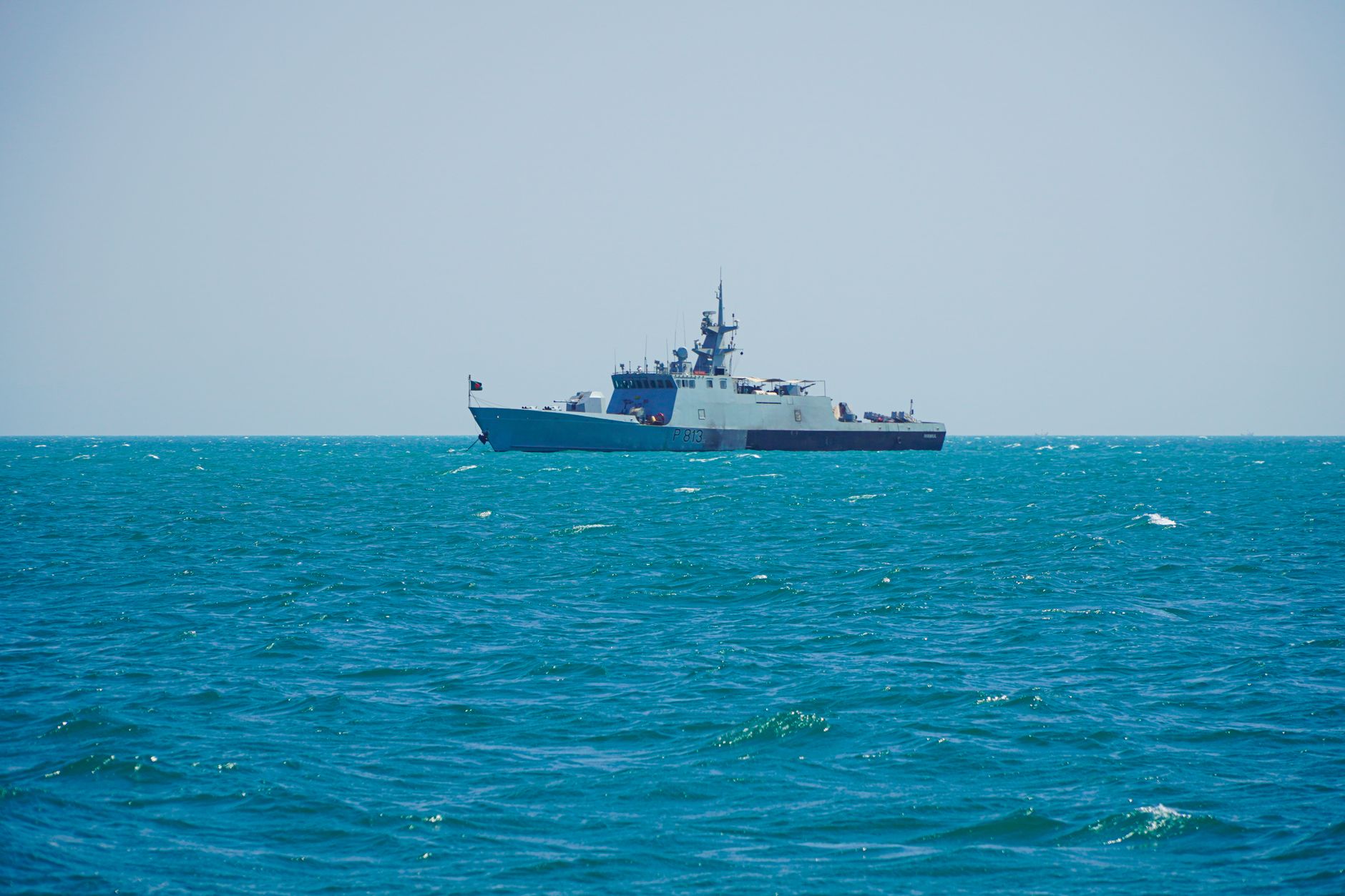
Imagen principal:Md Samiuzzaman Sakib / Pexels
EE.UU. Ataca a Irán Tras Ataques a Embarcaciones Cerca del Estrecho de Ormuz
Los ataques militares de EE. UU. tuvieron como objetivo áreas al este del estrecho de Ormuz después de que fuerzas respaldadas por Irán presuntamente lanzaran cohetes contra embarcaciones comerciales, lo que intensificó las tensiones regionales y generó dudas sobre la credibilidad de los informes del incidente inicial.
Tras una serie de "intentos de ataque a la navegación" informados cerca del estrecho de Ormuz, Estados Unidos lanzó ataques contra objetivos iraníes, según medios estatales y funcionarios de defensa estadounidenses. Esta investigación sintetiza los informes disponibles para evaluar las afirmaciones, la base de pruebas y las implicaciones más amplias para la estabilidad regional y las cadenas de suministro globales. El análisis destaca las inconsistencias en la narrativa, las lagunas en las pruebas disponibles públicamente y la necesidad de una verificación independiente antes de atribuir la responsabilidad de los presuntos ataques.
Contexto: Tensiones crecientes en el estrecho de Ormuz
El estrecho de Ormuz es un punto estratégico crucial por el que pasa diariamente aproximadamente una quinta parte del petróleo transportado por mar del mundo. La región ha sido un punto de fricción durante décadas, e Irán advierte con frecuencia que podría interrumpir la navegación en respuesta a sanciones o supuestas provocaciones. En los últimos meses se ha registrado un aumento de los incidentes marítimos en los que se han visto envueltos buques comerciales, incluidas explosiones, avistamientos de drones y presuntos lanzamientos de misiles. Si bien algunos incidentes se han atribuido a grupos respaldados por Irán, otros siguen sin ser verificados o son objeto de disputa. Estados Unidos ha mantenido una presencia naval en la región, incluida la Quinta Flota, para disuadir la agresión y proteger las rutas de navegación.
Los analistas llevan tiempo advirtiendo que la desinformación o la atribución errónea en un entorno tan volátil podría desencadenar una escalada imprevista. La falta de verificación independiente sobre el terreno en muchos incidentes pasados ha contribuido a un clima de incertidumbre, donde los actores estatales y los apoderados no estatales pueden explotar la ambigüedad para promover narrativas estratégicas.
¿Qué informa *The Hindu*: EE. UU. ataca a Irán tras supuestos ataques a embarcaciones
SegúnEl hindú, el ejército de EE. UU. llevó a cabo ataques en territorio iraní al este del Estrecho de Ormuz en respuesta a "intentos de ataques contra la navegación". Los ataques tuvieron como objetivo áreas desde donde se habrían disparado cuatro proyectiles hacia embarcaciones comerciales, según medios estatales iraníes citados por el medio. El informe de The Hindu enfatiza la proximidad de los ataques al Estrecho de Ormuz y el impacto potencial en las rutas de navegación regionales.
El artículo señala que, mientras los medios estatales iraníes describieron la acción de EE.UU. como «agresión sin precedentes», los altos mandos de la defensa estadounidense calificaron los ataques como una respuesta proporcional ante comportamientos desestabilizadores en un corredor marítimo crítico. *The Hindu* destaca la ausencia de reclamaciones inmediatas de responsabilidad por parte de algún grupo respecto a los supuestos ataques con cohetes, un detalle que plantea dudas sobre la atribución y las intenciones.
Comparación entre canales: Dónde coinciden y difieren los informes
MientrasEl hindúProporciona un detallado informe sobre los ataques y la respuesta iraní, pero no cita fuentes independientes adicionales ni ofrece verificación adicional de los supuestos ataques de envío. El informe se basa principalmente en los medios estatales iraníes para describir los proyectiles y su trayectoria, y en funcionarios de defensa de EE.UU. sin nombrar para presentar los ataques como una respuesta a «ataques intentados».
A diferencia de los informes multiorigen de medios como Reuters o la Associated Press en incidentes similares del pasado, la cobertura de *The Hindu* no incluye evidencia corroborante de empresas navieras, autoridades marítimas o servicios independientes de seguimiento marítimo. Esto limita la capacidad de verificar de manera independiente la naturaleza, el momento o el origen de los supuestos ataques. La falta de atribución en registros de parte de operadores de buques comerciales o observadores de terceros es una brecha notable en la cobertura.
Diferencias en el **enmarcado narrativo**
El informe de *The Hindu* presenta los ataques de EE.UU. como una respuesta a acciones destabilizadoras en una ruta marítima crítica, alineándose con los relatos de defensa de EE.UU. Sin embargo, no cuestiona críticamente las pruebas detrás de la afirmación de los "ataques intentados", ni explora explicaciones alternativas para los proyectiles reportados —como la identificación errónea, operaciones de bandera falsa o lanzamientos accidentales—. En contraste, informes más exhaustivos en incidentes pasados por medios como Reuters han incluido escepticismo de analistas marítimos sobre la fiabilidad de las primeras declaraciones en ausencia de evidencia física o atribución clara.
Además, **The Hindu** no proporciona detalles sobre el tipo de proyectiles utilizados, su alcance ni si algún buque reportó daños o llamadas de auxilio. Esta omisión es significativa, ya que estos detalles suelen ser cruciales para evaluar la credibilidad del incidente y la proporcionalidad de la respuesta.
El reclamo: El papel de Irán en los **"intentos de ataques a la navegación"**
El argumento central que impulsa los ataques de EE.UU. es que fuerzas respaldadas por Irán lanzaron misiles contra buques comerciales cerca del Estrecho de Ormuz. SegúnEl hindú, los medios estatales iraníes reconocieron que se lanzaron cuatro proyectiles "hacia barcos" en la zona al este del Estrecho de Ormuz. El informe no especifica si los proyectiles impactaron algún buque o causaron daños, ni proporciona evidencia visual o forense que vincule los lanzamientos con las fuerzas iraníes.
The absence of independent confirmation from shipping companies or maritime authorities is a critical weakness in the claim. In past incidents, such as the 2019 attacks on oil tankers in the Gulf of Oman, multiple investigations—including by the United Nations and independent journalists—raised serious doubts about the initial attribution to Iran, citing inconsistencies in the evidence and the possibility of false flag operations.
What Iran Has Said
Iranian state media, as cited by The Hindu, described the U.S. strikes as “unprecedented aggression” and framed the projectiles as a response to unspecified provocations. However, the reports do not provide details on the origin of the projectiles, the intended targets, or whether any vessels were in the vicinity at the time. This lack of specificity is consistent with past Iranian responses to maritime incidents, which often emphasize retaliation without providing verifiable operational details.
The Iranian narrative, as presented in The Hindu’s report, does not include claims of responsibility from any armed group, nor does it provide evidence of damage or casualties. This stands in contrast to some past incidents where Iran-backed groups such as the Yemen-based Houthis claimed responsibility for attacks on shipping in the Red Sea.
¿Qué muestra realmente la evidencia combinada
Taken together, the available reporting—limited to The Hindu’s account—does not provide sufficient evidence to substantiate the claim that Iran-backed forces launched rockets at commercial vessels near the Strait of Hormuz. The report relies on Iranian state media for the description of the projectiles and on U.S. defense officials for the framing of the response, but it lacks independent verification from shipping companies, maritime authorities, or third-party observers.
The absence of key details—such as the type and range of the projectiles, whether any vessels reported damage or distress, and any on-the-record statements from commercial operators—undermines the credibility of the incident narrative. In the absence of such evidence, the claim that Iran is responsible for “attempted attacks on shipping” remains unverified and should be treated with caution.
Moreover, the timing of the strikes—coming shortly after the alleged incident—suggests a rapid response based on initial, unverified reports. This pattern is consistent with past escalations in the region, where military action has sometimes been taken on the basis of ambiguous or contested intelligence, leading to unintended consequences.
¿Quién se ve afectado: Rutas de envío, estabilidad regional y mercados globales
The Strait of Hormuz is a vital artery for global oil and gas supplies, with approximately 20% of seaborne petroleum passing through its narrow waters daily. Any disruption—whether real or perceived—can trigger volatility in energy markets and increase shipping costs. The reported projectiles and subsequent U.S. strikes raise immediate concerns for commercial vessels transiting the area, particularly those flying flags associated with the U.S. or its allies.
Shipping companies may reroute vessels to avoid the Strait of Hormuz, increasing transit times and costs. Insurance premiums for vessels operating in the region could also rise, further straining global supply chains. The psychological impact on maritime operators—amid a backdrop of heightened tensions—could lead to precautionary measures that, in themselves, constitute a form of disruption.
Regional stability is also at risk. The strikes risk drawing Iran into a cycle of retaliation, potentially involving proxy forces in Iraq, Syria, Lebanon, or Yemen. Such escalation could draw in other regional actors, including Gulf states and Israel, further destabilizing an already volatile environment.
Global markets are sensitive to geopolitical risk in the Gulf, and even the perception of a crisis can drive up oil prices. While the immediate market reaction may be muted due to the lack of clear evidence or damage, the potential for prolonged uncertainty could have longer-term effects on energy prices and economic confidence.
Bandera Roja y Lista de Verificación para Desmentir: Evaluación de las Pruebas
The following checklist highlights specific warning signs and inconsistencies in the reporting that should prompt skepticism about the claims of “attempted attacks on shipping” and the subsequent U.S. strikes.
- Falta de verificación independiente: No shipping companies, maritime authorities, or third-party observers have publicly confirmed the alleged attacks. All details are sourced from Iranian state media or unnamed U.S. defense officials.
- Absence of damage or distress reports: No vessels have reported being struck or sustaining damage, nor have any distress calls been logged with maritime authorities.
- No claims of responsibility:Ningún grupo armado —incluyendo a los proxies respaldados por Irán— ha reclamado responsabilidad por los presuntos ataques, una omisión notable en una región donde tales declaraciones suelen hacerse con prontitud.
- Detalles operativos vagos:Los informes no especifican el tipo, el alcance ni la trayectoria de los proyectiles, y tampoco proporcionan marcas de tiempo ni coordenadas de los supuestos lanzamientos.
- Respuesta militar rápida:Los ataques en EE.UU. se lanzaron poco después del supuesto incidente, lo que sugiere una respuesta basada en inteligencia no verificada, un patrón asociado con errores pasados en la región.
- Confianza en los medios estatalesLa fuente principal de la narrativa del incidente es la prensa estatal iraní, que tiene un historial documentado de informes selectivos y omisiones en incidentes marítimos pasados.
- No forensic or visual evidence: There are no photographs, videos, satellite imagery, or other forensic evidence publicly available to corroborate the claims of projectile launches or their proximity to vessels.
- Proportionality concerns: The U.S. strikes targeted areas east of the Strait of Hormuz, but the reports do not clarify whether the alleged projectiles originated from those same areas or whether the targets were directly linked to the incident.
Respuestas de Expertos e Institucionales a las Huelgas
While The Hindu’s report does not include direct responses from independent experts or international institutions, the framing of the strikes as a response to “attempted attacks on shipping” aligns with typical U.S. defense narratives in the region. However, the lack of detailed evidence or independent verification limits the ability to assess the legitimacy of the response.
In past incidents, institutions such as the United Nations, the International Maritime Organization (IMO), and independent maritime security firms have called for thorough, independent investigations before attributing responsibility. The absence of such calls in this case—at least in the reporting available—may reflect the early stage of the crisis or the lack of credible evidence thus far.
Regional actors, including Gulf states and Iran’s neighbors, have historically adopted cautious stances in such crises, emphasizing de-escalation and dialogue. The lack of immediate regional condemnation or support for the U.S. strikes in the available reporting suggests a wait-and-see approach, likely driven by uncertainty about the facts.
¿Qué Sugiere el Patrón de Informes Sobre los Riesgos de Escalada?
Taken together, the available reporting—limited as it is—suggests a pattern familiar from past crises in the Strait of Hormuz: a rapid escalation cycle driven by unverified claims, state media narratives, and military responses based on ambiguous intelligence. The absence of independent verification, the reliance on state media sources, and the lack of forensic or visual evidence are red flags that have, in the past, led to misattribution and unintended escalation.
This pattern is particularly dangerous in a region where miscalculation can have global consequences. The Strait of Hormuz is not only a chokepoint for oil supplies but also a symbolic battleground where narratives of aggression and retaliation are easily amplified. When such narratives are not grounded in verifiable evidence, they risk becoming self-fulfilling prophecies, drawing parties into cycles of action and reaction that serve no strategic purpose.
The rapid U.S. response, while framed as proportional, appears to have been initiated without public evidence that would satisfy independent scrutiny. This raises questions about the decision-making process and whether alternative explanations—such as misidentified fishing boats, accidental launches, or false flag operations—were adequately considered. In the absence of such consideration, the risk of escalation is heightened, not diminished.
Moreover, the lack of claims of responsibility from any armed group is itself a significant anomaly. In a region where proxy warfare and asymmetric tactics are common, the absence of such claims is a strong indicator that the incident narrative may be incomplete or inaccurate. This should prompt policymakers and analysts to exercise caution before endorsing military action or attributing blame.
¿Qué se debe hacer a continuación: Vías políticas y diplomáticas
Given the lack of verifiable evidence and the high stakes involved, the following steps should be prioritized to prevent further escalation and restore credibility to the incident narrative:
- Demand independent verification: The United Nations, the International Maritime Organization, and neutral maritime security firms should be granted immediate access to the alleged incident site, vessels in the area, and any physical evidence such as debris or projectile fragments.
- Establish a fact-finding mechanism: A joint international investigation—including representatives from neutral states—should be convened to assess the claims of “attempted attacks on shipping” and the proportionality of the U.S. response. This mechanism should operate under a mandate that prioritizes transparency and impartiality.
- De-escalate military posturing: Both the U.S. and Iran should refrain from further military actions or threats while the investigation is ongoing. This includes halting additional strikes, redeployments, or public statements that could be interpreted as escalatory.
- Engage regional stakeholders: Gulf states, European partners, and other stakeholders with influence in Tehran should work to mediate de-escalation and encourage restraint. Regional forums, such as the Gulf Cooperation Council or the Arab League, could play a constructive role in facilitating dialogue.
- Review intelligence-sharing protocols: The U.S. and its allies should review the intelligence underlying rapid military responses in the region to ensure that such actions are grounded in verifiable evidence and not driven by ambiguous or contested reports.
- Support maritime security initiatives: The International Maritime Organization and other bodies should accelerate efforts to improve maritime domain awareness in the Strait of Hormuz, including real-time tracking, independent patrols, and crisis communication protocols for commercial vessels.
Without these steps, the risk of further miscalculation—and the potential for a broader conflict—remains unacceptably high.
Preguntas frecuentes: Aclaración de dudas clave sobre el conflicto entre Estados Unidos e Irán en el estrecho de Ormuz
What exactly did Iran do that prompted the U.S. strikes?
SegúnEl hindú, Iranian state media reported that four projectiles were fired “towards ships” east of the Strait of Hormuz. However, the report does not specify whether any vessels were struck, damaged, or reported distress. No independent sources, including shipping companies or maritime authorities, have confirmed the incident.
Did any ships report being attacked or damaged?
No. The available reporting—limited to The Hindu’s account—does not include any statements from commercial vessels, shipping companies, or maritime authorities confirming an attack or damage. The absence of such reports is a significant gap in the incident narrative.
Has Iran acknowledged responsibility for the projectiles?
Iranian state media, as cited by The Hindu, acknowledged that projectiles were fired toward ships but did not claim responsibility or provide operational details such as the origin, timing, or intended targets. This lack of specificity is consistent with past Iranian responses to maritime incidents.
Why did the U.S. strike Iran so quickly after the alleged incident?
The rapid U.S. response suggests a decision based on initial, unverified reports—an approach that has, in the past, led to missteps in the region. The absence of independent verification and the reliance on state media sources raise questions about the intelligence underlying the strikes.
What should happen next to prevent further escalation?
An independent, international investigation should be launched to verify the claims, assess the proportionality of the U.S. response, and restore credibility to the incident narrative. Both the U.S. and Iran should refrain from further military actions while the investigation is ongoing, and regional stakeholders should engage in de-escalation efforts.