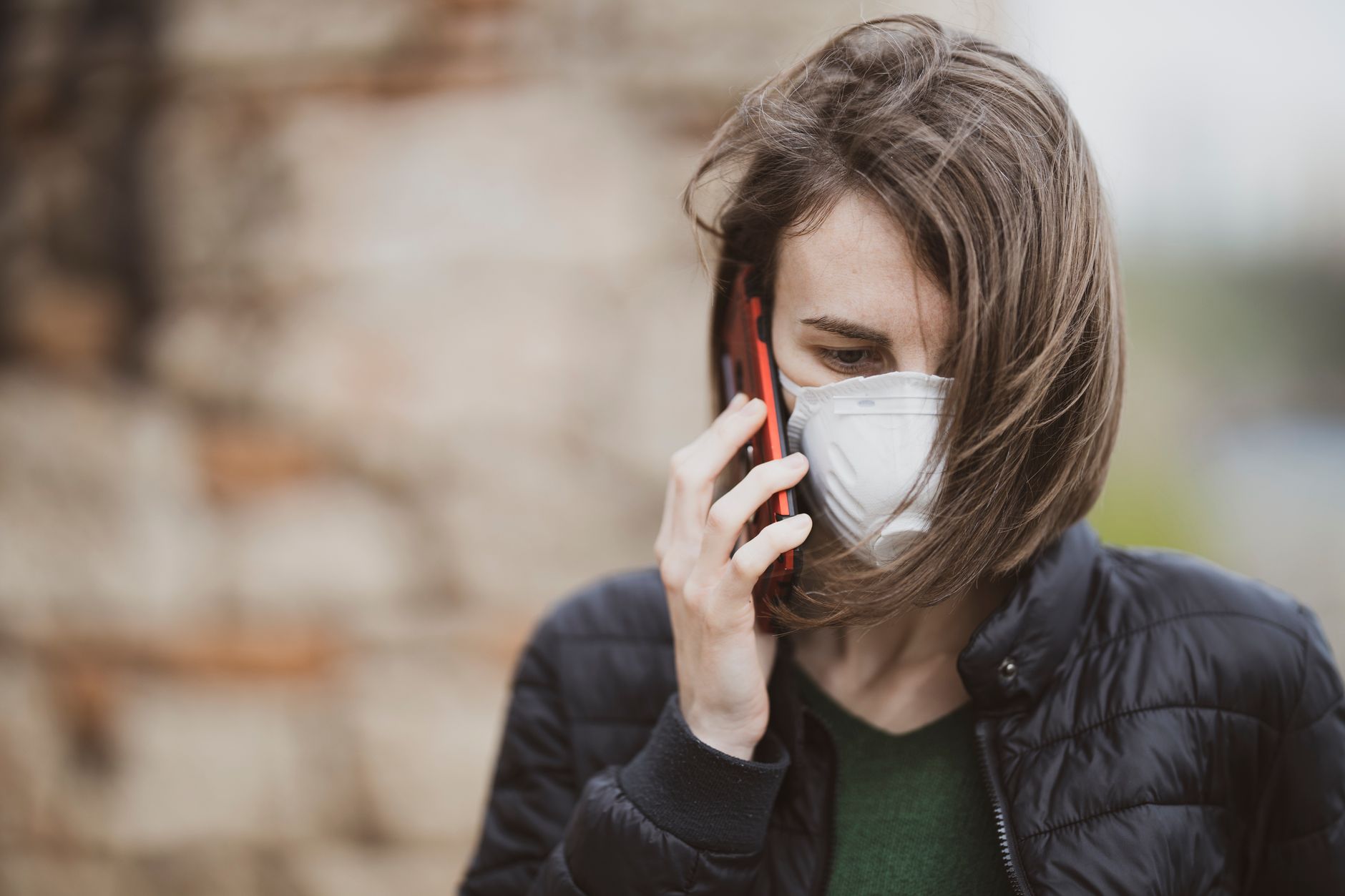
Imagen principal:Engin Akyurt / Pexels
Wellness Scam Phone Alert Issued by Monmouth County Prosecutors
Law enforcement officials have issued an urgent public safety notice regarding an active telephone fraud targeting residents in New Jersey. The deception involves malicious actors impersonating legitimate wellness and medical institutions to extract sensitive information and financial resources from unsuspecting consumers.
As financial deception and health-related misdirection continue to evolve, fraudulent operations increasingly exploit public trust in medical and wellness services. A recent warning issued by local authorities highlights a deceptive telephone campaign currently active in the region. This investigative report examines the mechanics of the alert, the operational tactics utilized by the perpetrators, and the verification steps necessary to protect consumers from falling victim to this specific health-adjacent financial fraud.
Context and Overview of the Monmouth County Warning
The operational landscape of consumer fraud frequently incorporates wellness-themed pretexts to lower the guard of targeted individuals. According to reporting by Patch, the Monmouth County Prosecutor’s Office released a formal advisory warning residents to be on high alert regarding an active phone scam. This advisory serves as a critical intervention point designed to disrupt an ongoing deception targeting the local community.
Law enforcement agencies monitor telephone fraud trends to identify shifts in criminal methodologies. The integration of wellness terminology into phone scams represents a calculated effort to leverage health concerns and authority figures for illicit financial gain. Understanding the broader context of this warning helps contextualize how modern fraudsters adapt legitimate-sounding health services into vehicles for deception.
Public advisories issued by prosecutor offices typically stem from verified reports filed by impacted community members. When multiple complaints indicate a standardized pattern of deceptive calls, law enforcement agencies intervene with public notifications. The Monmouth County alert emphasizes the necessity of public vigilance when receiving unsolicited communications that combine urgent health claims with requests for personal data.
Mechanics of the Active Phone Scam
Initial Contact and Impersonation Tactics
Fraudulent telephone campaigns typically begin with unsolicited contact where the caller establishes a false sense of authority. In schemes highlighted by recent law enforcement bulletins, perpetrators frequently misrepresent their affiliations. By utilizing names that sound like established wellness organizations, medical boards, or healthcare providers, the callers attempt to bypass initial skepticism.
Coercion and Urgency
A primary mechanism employed in this active phone scam is the generation of artificial urgency. The caller often asserts that the targeted individual faces an immediate health-related compliance issue, a suspended medical certification, or an urgent requirement to update wellness program records. This psychological pressure is designed to provoke an emotional response, encouraging the victim to act quickly before verifying the legitimacy of the caller’s claims.
Data Extraction and Financial Demands
Once the victim is sufficiently alarmed, the fraudsters pivot toward extracting sensitive information. This phase often involves requesting personal identification numbers, insurance details, or direct financial compensation under the guise of resolving the fabricated wellness issue. The structured escalation from a routine health notification to a financial demand is a hallmark of sophisticated telephone fraud.
Official Warnings Issued by Law Enforcement
Official law enforcement channels play a vital role in countering consumer deception by disseminating verified alerts. Patch reported that the Monmouth County Prosecutor’s Office emphasized specific safety measures in their public communication, urging residents not to comply with demands made by unknown callers claiming to represent wellness entities.
Prosecutor offices coordinate with local police departments and cybercrime units to track the origins of these fraudulent calls. While many operations utilize caller ID spoofing to mask their true location, law enforcement bulletins provide essential guidance on how residents should document and report suspicious interactions. These warnings serve as both a defensive shield for consumers and an informational collection point for ongoing investigations.
The dissemination of official alerts underscores the growing convergence between health misinformation and financial fraud. By explicitly detailing the nature of the active phone scam, authorities aim to dismantle the element of surprise that perpetrators rely upon. Residents are instructed to treat any unsolicited call demanding personal or financial data under a wellness pretext as a high-risk security event.
Assessing the Scope and Target Vulnerabilities
Demographic Considerations
Telephone scams frequently cast a wide net, but certain demographic groups are disproportionately targeted by health and wellness deceptions. Older adults, individuals managing chronic conditions, and those actively engaged in wellness programs represent primary targets for fraudsters. These populations may be more accustomed to receiving routine calls from healthcare providers, making them more susceptible to sophisticated impersonation tactics.
Psychological Vulnerability Factors
The success of a wellness-themed phone scam relies heavily on tapping into personal health anxieties. When perpetrators reference medical terminology, compliance mandates, or wellness benefits, they exploit the listener’s desire to maintain health and avoid legal or administrative complications. Fraudsters use these psychological pressure points to override critical thinking and enforce compliance.
Technological Multipliers
Modern telecommunication technology enables fraudsters to scale their operations efficiently. Techniques such as VoIP routing and caller ID spoofing allow bad actors to display local area codes or the names of reputable institutions on a target’s phone screen. This technological masking increases initial engagement rates, broadening the operational scope of the scam across Monmouth County and surrounding regions.
Recognizing Red Flags in Telephone Frauds
Identifying fraudulent telephone communications requires a structured approach to evaluating incoming claims. The following checklist outlines specific warning signs associated with wellness phone scams based on law enforcement guidance.
- Unsolicited calls claiming urgent wellness policy violations or mandatory health updates.
- Callers demanding immediate payment via unconventional methods, such as prepaid debit cards, wire transfers, or cryptocurrency.
- Pressure to keep the conversation confidential or refusal to provide a verifiable call-back extension.
- Discrepancies between the stated organization and the official contact information listed on public registries.
- Requests for sensitive personal identifiers, including Social Security numbers or banking credentials, over an inbound line.
- Aggressive or dismissive responses when asked to verify the caller’s identity through independent channels.
Institutional Guidance and Law Enforcement Response
Combating telephone fraud requires a coordinated institutional response involving local prosecutors, state agencies, and federal regulators. When an active scam is identified, agencies such as the Monmouth County Prosecutor’s Office work to inform the public and trace the communication pathways utilized by the perpetrators.
Victims and targeted individuals are routinely advised to report suspicious interactions to consumer protection divisions and local law enforcement. These reports contribute to broader investigative databases that track fraud syndicates across jurisdictions. Institutional guidance emphasizes that legitimate wellness organizations and healthcare providers will never demand immediate financial settlements or sensitive data over an unverified phone call.
Furthermore, consumer protection agencies collaborate with telecommunication providers to implement call-blocking technologies and investigate spoofed numbers. However, because perpetrators frequently alter their infrastructure, public awareness remains the most effective deterrent against these deceptive campaigns.
Recommended Actions for Targeted Individuals
For individuals who receive suspicious calls fitting the description outlined by authorities, specific defensive protocols should be enacted immediately. First and foremost, recipients should terminate the call without providing any personal, medical, or financial information.
If there is any concern that a communication might be legitimate, consumers should independently look up the official phone number of the referenced wellness organization or medical facility and place an outbound call to verify the inquiry. Never use the call-back number provided by the suspicious caller.
Additionally, documented details of the interaction—including the date, time, phone number displayed, and specific claims made by the caller—should be submitted to the Monmouth County Prosecutor’s Office or local law enforcement. Maintaining detailed records assists investigators in mapping out the operational patterns of active fraud networks.
Preguntas frecuentes sobre estafas relacionadas con el producto
What is the wellness scam phone alert issued in Monmouth County?
The alert is a public safety warning released by the Monmouth County Prosecutor’s Office regarding fraudulent telephone calls where perpetrators impersonate wellness or healthcare entities to extract personal data and money from residents.
How do the perpetrators typically initiate contact with victims?
Fraudsters initiate contact through unsolicited phone calls, frequently utilizing caller ID spoofing to appear as a legitimate local wellness organization or medical provider.
What specific demands do these scammers make during the call?
Scammers typically fabricate a health compliance issue or wellness account problem, then pressure the targeted individual to provide sensitive personal information or immediate financial compensation.
What should I do if I receive a suspicious call claiming to be from a wellness organization?
Immediately hang up the phone without sharing any information. Verify the claim independently by contacting the official organization using a known, trusted phone number rather than the one provided by the caller.
Where can I report a fraudulent wellness call in my area?
Suspicious calls should be reported directly to local law enforcement agencies, such as the Monmouth County Prosecutor’s Office, or to relevant consumer protection and fraud reporting boards.