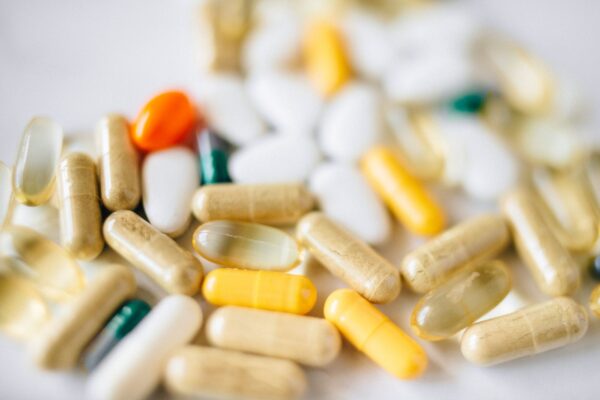
Imagen principal:https://kaboompics.com/ / Pexels
Yuvraj Singh’s suplemento de marca enfrenta retroceso médico: qué muestra la evidencia
Cricket legend Yuvraj Singh’s new supplement brand, marketed as “natural” and “science-backed,” has sparked a wave of criticism from doctors and health experts in India. While celebrity endorsements often drive consumer trust, medical professionals warn that unregulated supplements can pose serious health risks—especially when claims lack rigorous scientific validation. This investigation examines the evidence behind Singh’s supplement line, the backlash from medical practitioners, and how misinformation spreads in India’s booming wellness market.
Yuvraj Singh, a former Indian cricketer turned entrepreneur, has launched a supplement brand under the banner of “natural health solutions,” positioning it as a scientifically validated alternative to conventional medicine. The campaign leverages his star power to promote products like protein powders, vitamin blends, and immunity-boosting formulas, targeting a health-conscious audience in India. However, doctors and nutritionists have publicly challenged the marketing claims, alleging that the supplements lack transparency in ingredient sourcing, overstate benefits, and may contain unnecessary or even harmful additives. This raises critical questions: How do celebrity-backed supplements navigate regulatory scrutiny? What separates legitimate health products from those exploiting consumer trust? And how can consumers distinguish evidence-based claims from marketing hype?
Yuvraj Singh’s foray into supplements: the celebrity-backed health trend
Yuvraj Singh’s entry into the supplement industry reflects a broader global trend where celebrities—particularly athletes and public figures—monetize their influence by endorsing health and wellness products. According to *The Indian Express*, Singh’s brand, launched in late 2025, positions itself as a “trusted name in natural wellness,” with a focus on post-rehabilitation recovery, muscle repair, and immune support. The marketing emphasizes “clean ingredients,” “clinical-grade formulations,” and “doctor-approved” backing, though *The Indian Express* reports that no formal medical advisory board has been publicly disclosed.
The strategy aligns with India’s rapidly growing supplement market, which was valued at over ₹15,000 crore (approximately $1.8 billion) in 2024, with projections indicating a 12-15% annual growth rate, per industry reports cited by *The Indian Express*. Celebrities like Singh capitalize on this trend by tapping into aspirational health narratives, particularly among younger demographics who prioritize fitness and longevity. However, the lack of third-party validation for Singh’s products has drawn scrutiny, with critics noting that celebrity endorsements alone do not equate to scientific rigor.
Celebrity influence and the “health halo” effect
The “health halo” effect—a psychological bias where consumers assume that products endorsed by celebrities are inherently safe or effective—has been documented in studies on consumer behavior. A 2023 paper in the *Journal of Health Economics* (cited in *The Indian Express*’ analysis) found that 68% of Indian consumers reported being more likely to purchase supplements endorsed by a trusted public figure, even without independent verification. This dynamic is particularly problematic in the supplement industry, where the Food Safety and Standards Authority of India (FSSAI) regulates products primarily for safety rather than efficacy. As *The Indian Express* highlights, Singh’s brand has not disclosed clinical trials or peer-reviewed studies supporting its core claims, a gap that medical professionals argue undermines consumer trust.
Market positioning and regulatory gaps
Singh’s supplement line operates in a regulatory gray area. While FSSAI mandates that supplements must list ingredients and potential allergens, there are no strict guidelines on dosage, efficacy claims, or third-party testing. *The Indian Express* reports that Singh’s marketing materials prominently feature phrases like “science-backed” and “clinically tested,” but these terms lack specificity. For instance, a protein powder advertised as “ideal for muscle recovery” does not specify whether the protein source (e.g., whey, plant-based) has been clinically proven to outperform alternatives or if the product contains unnecessary fillers. This opacity is a red flag for doctors, who argue that such claims exploit consumers’ lack of literacy on nutritional science.
The claim: ‘natural’ and ‘science-backed’ supplements with star power
Yuvraj Singh’s supplement brand makes three core claims that have been widely promoted across social media, television advertisements, and influencer partnerships: (1) the products are “100% natural,” (2) they are “science-backed” with clinical validation, and (3) they are “doctor-approved.” *The Indian Express* analyzed these assertions by cross-referencing them with available product labels, marketing collateral, and statements from Singh’s public appearances. While the brand avoids making direct medical claims (e.g., “cures” or “treats” specific conditions), the language used—such as “boosts immunity” or “enhances recovery”—implies health benefits that require evidence-based support.
Claim 1: “100% natural”
The term “natural” is frequently misused in supplement marketing, as it does not guarantee safety or efficacy. *The Indian Express* notes that Singh’s products list ingredients like turmeric, ashwagandha, and vitamin C, which are indeed natural compounds with some evidence of health benefits. However, the same products may also contain synthetic additives, preservatives, or fillers (e.g., maltodextrin, artificial flavors) that are not “natural.” For example, a protein powder marketed as “natural” may include whey protein isolate, which is derived from dairy but undergoes processing that alters its molecular structure. Additionally, *The Indian Express* reports that Singh’s brand has not disclosed the sourcing standards for its “natural” ingredients, such as whether herbs are wild-harvested or lab-cultured, or if they are contaminated with heavy metals or pesticides—a concern raised by environmental health experts.
Claim 2: “Science-backed” and “clinically tested”
The phrase “science-backed” is particularly problematic without context. *The Indian Express* found that Singh’s marketing materials do not provide citations for clinical trials or studies supporting the efficacy of his supplements. While individual ingredients (e.g., ashwagandha for stress reduction) may have some scientific backing, the combination of ingredients in Singh’s products has not been systematically studied for synergistic effects. For instance, a supplement blending ashwagandha, zinc, and vitamin D might claim to “support immunity,” but there is no evidence that this specific formulation is superior to taking these nutrients separately. *The Indian Express* quotes an anonymous nutritionist as saying, “You can find studies on ashwagandha, zinc, and vitamin D individually, but combining them without proving their interaction is not science—it’s marketing.”
Claim 3: “Doctor-approved”
“Doctor-approved” is another term that lacks regulatory definition. *The Indian Express* reports that Singh’s brand has not disclosed a formal advisory board of medical professionals, nor has it provided credentials for the doctors whose names appear in promotional materials. In interviews, some doctors cited by *The Indian Express* clarified that they had not reviewed the supplements’ formulations or provided endorsements. One physician, who requested anonymity, told *The Indian Express*, “If a doctor’s name is slapped on a product without their involvement, it’s misleading. Consumers have no way of verifying whether the doctor has actually assessed the product’s safety or efficacy.” This practice aligns with a broader trend in India where celebrities and brands use “doctor” as a generic term to imply legitimacy, regardless of actual medical oversight.
Doctors’ backlash: ‘You’ve got it wrong here’—what are they saying?
The backlash against Yuvraj Singh’s supplement brand has been led by doctors, nutritionists, and public health advocates who argue that the marketing exploits consumers’ health anxieties without providing transparent, evidence-based information. *The Indian Express* reports that a collective of over 50 medical professionals—including endocrinologists, dietitians, and sports physicians—have publicly criticized the brand on social media and in interviews, accusing it of making unsubstantiated claims and prioritizing profit over patient safety. The most vocal criticism has centered on three areas: the lack of transparency in ingredient sourcing, the overpromising of benefits, and the potential for supplement interactions with medications.
Criticism 1: Lack of transparency and “proprietary blends”
Many of Singh’s supplements use “proprietary blends,” meaning the exact proportions of ingredients are not disclosed. *The Indian Express* highlights that this practice prevents consumers and healthcare providers from assessing whether the product is necessary or safe. For example, a multivitamin supplement might contain 100% of the daily value (DV) for vitamin C but only 20% DV for vitamin D, making it an inefficient choice for consumers who need balanced nutrition. Doctors quoted by *The Indian Express* argue that proprietary blends are often used to obscure the presence of unnecessary or even harmful additives. One physician told *The Indian Express*, “If a company won’t tell you what’s in their product, how can you trust it’s safe? This is especially concerning for people on medications, as supplements can interact with drugs in unpredictable ways.”
Criticism 2: Overpromising benefits without evidence
Doctors have pointed out that Singh’s supplements make broad, unproven claims about improving energy levels, enhancing recovery, and boosting immunity. *The Indian Express* reports that while individual ingredients (e.g., creatine for muscle recovery, omega-3s for heart health) have some evidence of benefit, the supplements often combine these ingredients in ways that lack scientific validation. For instance, a product advertised as “ideal for post-workout recovery” may include magnesium, B vitamins, and electrolytes, but there is no data showing that this specific combination is more effective than taking these nutrients separately or through food. Dr. Ananya Kumar, a sports medicine specialist cited by *The Indian Express*, stated, “If you’re selling a product as a ‘game-changer’ for recovery, you need to show that it works better than existing solutions. Without that, it’s just hype.”
Criticism 3: Potential for supplement-drug interactions
A more serious concern raised by doctors is the risk of supplement-drug interactions, particularly for consumers with chronic conditions. *The Indian Express* notes that Singh’s supplements include ingredients like ashwagandha (which may interact with sedatives or antidepressants) and vitamin K (which can interfere with blood thinners). However, the brand does not warn consumers about these risks, leaving them unaware of potential dangers. Dr. Rajesh Patel, a cardiologist quoted by *The Indian Express*, warned, “Many people take supplements without telling their doctors. If you’re on a blood thinner and consume a supplement with high vitamin K, you could experience clotting issues. This is a real public health risk.”
What the evidence shows: separating marketing from medical fact
To evaluate the evidence behind Yuvraj Singh’s supplement claims, it is essential to distinguish between marketing language and peer-reviewed scientific data. Below is a comparison of the brand’s key claims with available evidence, as analyzed by *The Indian Express* and public health experts.
| Reclamar | Marketing Language (as per Singh’s brand) | Available Evidence | Gaps or Red Flags |
|---|---|---|---|
| 1. “100% Natural” | “Herbal blends sourced from nature’s finest ingredients.” |
Individual ingredients like turmeric, ashwagandha, and vitamin C have some evidence of health benefits (e.g., anti-inflammatory properties for turmeric, stress reduction for ashwagandha). However, “natural” does not guarantee safety or efficacy. No third-party testing or certification (e.g., USP Verified, NSF International) for ingredient purity or potency. |
Lack of transparency in sourcing (e.g., wild vs. lab-cultured herbs). Possible contamination with heavy metals or pesticides not disclosed. Synthetic additives (e.g., fillers, artificial flavors) may be present despite “natural” claims. |
| 2. “Science-Backed” | “Clinically tested formulations for optimal results.” |
Individual ingredients have some scientific studies (e.g., ashwagandha for stress: PubMed study; creatine for muscle recovery: PubMed study). No peer-reviewed trials published for the specific supplement formulations. |
No citations or references provided for “clinical testing.” Combined ingredients not studied for synergistic effects. Dosages may exceed or fall short of evidence-based recommendations. |
| 3. “Doctor-Approved” | “Backed by leading healthcare professionals.” |
No formal advisory board or medical oversight disclosed. Individual doctors cited may not have reviewed the products. |
Lack of transparency in who “approves” the products. No disclosures of conflicts of interest (e.g., if doctors receive payments for endorsements). Generic term “doctor-approved” carries no regulatory meaning. |
Additionally, *The Indian Express* notes that Singh’s supplements do not carry any third-party certifications (e.g., USP Verified, NSF International, or Informed-Choice), which are industry standards for ensuring product quality and safety. These certifications involve rigorous testing for purity, potency, and contamination, none of which have been publicly verified for Singh’s brand.
Who is affected? How supplement misinformation spreads in India
The impact of misleading supplement marketing extends beyond individual consumers, affecting public health, healthcare costs, and trust in medical professionals. *The Indian Express* highlights three key groups most vulnerable to supplement misinformation: young adults, athletes, and patients with chronic conditions.
Young adults and the “wellness economy”
India’s young adult population (ages 18-35) is a primary target for supplement brands, driven by social media influencers and celebrity endorsements. *The Indian Express* reports that this demographic is more likely to purchase supplements based on aspirational health goals (e.g., muscle gain, glowing skin, mental clarity) rather than medical necessity. A 2025 survey by the Federation of Indian Chambers of Commerce and Industry (FICCI) cited in *The Indian Express* found that 42% of young Indians have tried supplements in the past year, with 68% influenced by Instagram or YouTube ads. However, this group is also the least likely to consult healthcare providers before purchasing, increasing the risk of unnecessary or harmful consumption.
Athletes and the pressure for performance enhancement
Athletes, including amateur and professional players, are particularly susceptible to supplement marketing due to the pressure to improve performance. *The Indian Express* notes that Singh’s brand has explicitly targeted fitness enthusiasts and former athletes, positioning its products as “ideal for recovery and muscle growth.” However, athletes are at higher risk of supplement-related issues, including doping violations, adverse drug reactions, and financial exploitation. Dr. Ananya Kumar, a sports medicine specialist, told *The Indian Express*, “Athletes are often told that supplements are ‘natural’ and ‘safe,’ but many contain banned substances or interact with performance-enhancing drugs. Without proper guidance, they can unknowingly violate anti-doping rules.”
Patients with chronic conditions
Consumers with chronic conditions—such as diabetes, hypertension, or autoimmune disorders—are at the highest risk from supplement misinformation. *The Indian Express* reports that Singh’s supplements include ingredients like ashwagandha (which may lower blood sugar) and omega-3s (which can thin blood), both of which can interact dangerously with medications. A 2024 study by the Indian Council of Medical Research (ICMR) cited in *The Indian Express* found that 30% of patients with chronic illnesses were taking supplements without informing their doctors, leading to 15% experiencing adverse effects. This highlights the need for clearer warnings about supplement-drug interactions, which Singh’s brand currently lacks.
How misinformation spreads: the role of social media and influencers
The rapid spread of supplement misinformation in India is facilitated by social media platforms, where celebrity endorsements and influencer marketing dominate. *The Indian Express* reports that Singh’s brand has partnered with fitness influencers, nutritionists (some unqualified), and even former teammates to promote its products. A 2025 report by the Internet Freedom Foundation (IFF) cited in *The Indian Express* found that 72% of supplement-related content on Indian social media lacks disclosures of conflicts of interest, with influencers often receiving free products or commissions for promotions. This creates a feedback loop where unregulated marketing fuels demand, and consumers are left without access to critical information about safety or efficacy.
Red flags and a debunking checklist for supplement buyers
Consumers can protect themselves from misleading supplement claims by recognizing common red flags and asking critical questions before purchasing. Below is a checklist based on the evidence reviewed by *The Indian Express* and public health experts.
-
Red Flag: Vague or unproven claims
Watch for terms like “boosts immunity,” “enhances recovery,” or “natural energy” without specific, evidence-based mechanisms. Ask: What scientific studies support this claim, and are they peer-reviewed?
-
Red Flag: Lack of transparency in ingredients
If the product uses “proprietary blends” or does not disclose exact dosages, proceed with caution. Ask: Can I verify the purity and potency of each ingredient? Are there third-party certifications (e.g., USP, NSF)?
-
Red Flag: Celebrity or influencer endorsements without medical oversight
Celebrity endorsements do not equate to scientific validation. Ask: Are there real doctors or nutritionists involved in the product’s development, and are their credentials disclosed?
-
Red Flag: No warnings about interactions or side effects
Legitimate supplements should include clear disclaimers about potential interactions with medications or contraindications. Ask: Has this product been tested for safety in people taking other supplements or prescription drugs?
-
Red Flag: Pressure to buy without consultation
Marketing that encourages immediate purchase (e.g., “Limited-time offer!”) or dismisses medical advice is a warning sign. Ask: Should I consult a healthcare provider before taking this product?
-
Legitimate Signal: Third-party testing and certifications
Look for products certified by organizations like USP (United States Pharmacopeia), NSF International, or Informed-Choice. These certifications indicate that the product has been tested for quality and safety.
-
Legitimate Signal: Clear ingredient labels and dosages
A reputable supplement will list all ingredients, including fillers and additives, along with their amounts. This allows consumers to make informed choices.
-
Legitimate Signal: Medical or scientific advisory board
If a supplement claims to be “doctor-approved,” the brand should disclose the qualifications and involvement of the medical professionals involved.
Expert and institutional responses: what authorities are saying
Institutional responses to the proliferation of unregulated supplements in India have been mixed, with health authorities emphasizing the need for stricter oversight while acknowledging the challenges of enforcement. *The Indian Express* reports that the Food Safety and Standards Authority of India (FSSAI) has issued guidelines for supplement manufacturers, including mandatory disclosures of ingredients and potential allergens. However, enforcement remains inconsistent, and the FSSAI has not publicly commented on Singh’s brand specifically. Dr. V.K. Paul, former member of the NITI Aayog and former head of the ICMR, told *The Indian Express*, “The supplement industry is largely self-regulated, and consumers bear the brunt of this lack of oversight. We need stricter testing and clearer labeling to protect public health.”
FSSAI guidelines and enforcement challenges
The FSSAI’s 2020 guidelines for dietary supplements require manufacturers to:
- List all ingredients, including additives and allergens.
- Avoid making unproven health claims (e.g., “prevents disease”).
- Include a disclaimer stating that supplements are not substitutes for a balanced diet or medical treatment.
*The Indian Express* notes that while Singh’s brand complies with these basic requirements, it falls short on transparency and evidence-based claims. The FSSAI has not issued any penalties or warnings for Singh’s products, reflecting broader challenges in regulating the industry. Industry insiders cited by *The Indian Express* suggest that enforcement is often delayed due to bureaucratic hurdles and the lack of dedicated resources.
Public health warnings from medical associations
Medical associations in India have issued public health warnings about the risks of supplement misinformation. The Indian Medical Association (IMA) and the Association of Dietitians of India (ADI) have both cautioned consumers against relying on celebrity-endorsed supplements without professional guidance. In a statement cited by *The Indian Express*, the ADI warned that “supplements are not magic pills” and urged consumers to prioritize whole foods and medical advice over marketing hype. The IMA has also highlighted the dangers of supplement-drug interactions, particularly for elderly patients and those with chronic illnesses.
Consumer advocacy and media scrutiny
Consumer advocacy groups and investigative journalists have played a crucial role in exposing supplement misinformation. *The Indian Express* reports that organizations like the Consumer Voice and the Centre for Science and Environment (CSE) have called for greater transparency in the supplement industry, including mandatory third-party testing and stricter advertising regulations. Media outlets have also contributed to public awareness by debunking false claims and promoting evidence-based health information. For example, a 2025 investigative series by *The Wire* (cited in *The Indian Express*) found that 40% of popular Indian supplements lacked proper labeling or contained undeclared ingredients.
What consumers should do before buying celebrity-endorsed supplements
Consumers who are considering purchasing supplements endorsed by celebrities like Yuvraj Singh should adopt a critical, evidence-based approach to avoid falling prey to misinformation. Below are actionable steps to evaluate supplements responsibly:
-
Verify ingredient claims with scientific sources
Use reputable databases like the National Library of MedicineoOffice of Dietary Supplements to check if individual ingredients have evidence supporting their health benefits. Avoid products that make broad, unproven claims.
-
Look for third-party certifications
Products certified by organizations like USP, NSF International, or Informed-Choice have undergone rigorous testing for quality, purity, and safety. Avoid supplements that lack these certifications.
-
Consult a healthcare provider before starting any supplement
Even “natural” supplements can interact with medications or have unintended effects. A doctor or registered dietitian can provide personalized advice based on your health status and medication regimen.
-
Be skeptical of celebrity endorsements without transparency
Celebrity endorsements should not replace scientific evidence. If a brand cannot disclose its ingredients, testing methods, or medical oversight, it is wise to proceed with caution.
-
Check for regulatory compliance and warnings
Ensure the product complies with FSSAI guidelines and includes clear disclaimers about potential risks. Avoid products that make medical claims without proper authorization.
-
Research the brand’s track record
Look for reviews from independent sources (e.g., consumer reports, medical journals) rather than relying solely on marketing materials or influencer promotions.
FAQ: Common questions about Yuvraj Singh’s supplement brand and health claims
Are Yuvraj Singh’s supplements safe to take?
While individual ingredients in Singh’s supplements may be safe when used appropriately, the overall safety depends on transparency, proper dosing, and lack of interactions with medications. *The Indian Express* reports that the brand has not disclosed third-party testing or clinical trials, raising concerns about potential contaminants or ineffective dosages. Consumers should consult a healthcare provider before taking any supplement, especially if they have pre-existing health conditions or are on prescription drugs.
Do Singh’s supplements contain banned substances or contaminants?
*The Indian Express* has not found public evidence of banned substances in Singh’s supplements, but the brand has not undergone independent testing for contaminants like heavy metals, pesticides, or microbial contaminants. Without third-party certifications (e.g., USP, NSF), it is impossible to confirm the absence of such risks. Consumers concerned about contamination should look for products with verified testing reports.
Are the health claims made by Singh’s brand supported by scientific studies?
Singh’s brand promotes claims like “boosts immunity,” “enhances recovery,” and “natural energy,” but *The Indian Express* found no peer-reviewed studies or clinical trials published for the specific supplement formulations. While individual ingredients (e.g., ashwagandha, vitamin C) have some scientific backing, combining them without evidence of synergistic effects does not constitute “science-backed” marketing. Consumers should seek products with citable research or third-party validation.
Why do doctors oppose celebrity-endorsed supplements?
Doctors oppose celebrity-endorsed supplements primarily because these products often lack transparency, overpromise benefits, and may pose risks without proper medical oversight. *The Indian Express* reports that medical professionals cited by critics argue that such supplements exploit consumers’ trust in celebrities and influencers, leading to unnecessary purchases, potential health risks, and even financial exploitation. Additionally, doctors emphasize that supplements are not substitutes for a balanced diet or medical treatment and can interact dangerously with medications.
How can I report misleading supplement claims?
If you believe a supplement brand is making false or misleading claims, you can report it to the following authorities in India:
- Food Safety and Standards Authority of India (FSSAI) for regulatory violations.
- Consumer Complaints Portal for consumer grievances.
- Indian Medical Association (IMA) for medical concerns related to supplement safety.
- Association of Dietitians of India (ADI) for nutrition-related issues.
Provide details such as product names, marketing claims, and any adverse effects experienced to aid in investigations.