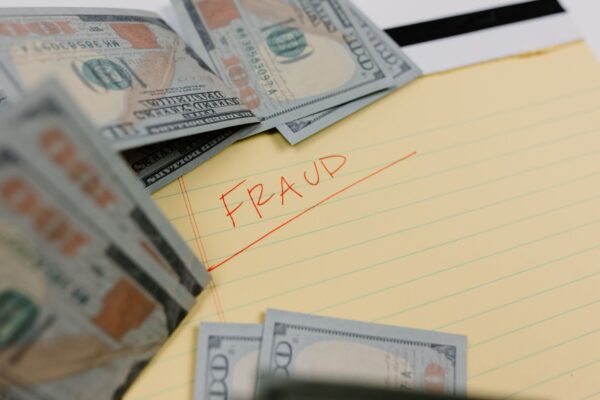
This week, the financial scams and money deception landscape saw a significant surge in high-profile cases and alarming trends. From investment fraud schemes to crypto fraud, the frequency and severity of these incidents highlight the need for increased vigilance and robust safeguards. The guilty plea of Jay Lucas, a former New Hampshire Republican gubernatorial candidate, to orchestrating a $50 million investment fraud scheme, underscores the depth of deception that can be perpetrated by individuals in positions of trust.
Furthermore, Congressional testimony and industry data revealed an unprecedented 1800% increase in financial fraud losses over a multi-year period. This staggering rise points to systemic vulnerabilities in digital payment rails, identity verification, and consumer protection frameworks. As fraudsters continue to evolve and exploit new technologies, including AI, the threat landscape becomes increasingly complex.
Minnesota’s updated legal framework, set to take effect on August 1, introduces stricter penalties for crypto fraud and expanded protections against online child grooming. This move aims to close loopholes exploited by scammers and predators, demonstrating a proactive approach to addressing the evolving nature of financial deception. Meanwhile, reports of Ponzi schemes and investment fraud continue to emerge, with cases involving millions of dollars in losses and perpetrators using funds for luxury spending and personal gain.
This Week’s Six Featured Articles
High-Profile Investment Fraud Uncovered

A former New Hampshire Republican gubernatorial candidate, Jay Lucas, has pleaded guilty to orchestrating a $50 million investment fraud scheme. This case highlights the recurring patterns of high-profile financial deception, where perpetrators exploit investor trust and political positioning to mask illicit activities.
Alarming Rise in Financial Fraud Losses

Financial fraud losses have surged by 1800% over a multi-year period, according to Congressional testimony and industry data. This alarming increase points to systemic vulnerabilities in digital payment systems, identity verification, and consumer protection frameworks, underscoring the need for enhanced safeguards.
Minnesota's Proactive Approach to Crypto Fraud

Minnesota’s updated legal framework, effective August 1, introduces stricter penalties for crypto fraud and expanded protections against online child grooming. This move aims to close loopholes exploited by scammers and predators, demonstrating a proactive approach to addressing the evolving nature of financial deception.
Evolution of Financial Scams in 2026

As fraudsters weaponize AI and exploit economic anxiety, 2026 has become a high-water mark for financial scams. Independent reporting reveals a surge in sophisticated schemes that outpace traditional safeguards, leaving individuals and institutions scrambling to keep pace with an evolving threat landscape.
Luxury Spending and Ponzi Schemes

A Kansas City man has been charged with orchestrating a $2.1 million Ponzi scheme, diverting investor funds to luxury spending and gambling. This case highlights how high-pressure sales tactics and promises of outsized returns can mask fraudulent operations, leaving investors vulnerable to significant financial losses.
Suburban Investment Fraud Patterns

A former Mineola resident has been sentenced to 12 years in federal prison for orchestrating a $2.3 million investment fraud scheme targeting Long Island residents. This case highlights recurring patterns in suburban investment fraud, where perpetrators exploit trust within local communities to carry out illicit activities.
Key Takeaways
- High-profile investment fraud schemes continue to emerge, highlighting the need for enhanced safeguards and vigilance.
- Financial fraud losses have surged by 1800% over a multi-year period, underscoring systemic vulnerabilities in digital payment systems and consumer protection frameworks.
- Proactive approaches, such as Minnesota’s updated legal framework, are necessary to address the evolving nature of financial deception and protect consumers.
Explore more from our Financial Scams & Money Deception coverage.