
This week, the realm of health myths and medical misinformation saw a surge in misleading claims, particularly surrounding COVID-19 vaccines and their alleged links to various health issues. The spread of such misinformation poses significant risks, as it can lead to decreased trust in public health measures and vaccines, ultimately endangering community health. Politicians and public figures played a substantial role in amplifying these claims, despite the absence of credible scientific evidence to support them.
The debunking of these claims is crucial, as it not only corrects the record but also helps in understanding how such misinformation spreads and the impact it has on public perception of health issues. Through meticulous analysis and fact-checking, it becomes apparent that these claims are often rooted in politically motivated agendas rather than scientific fact.
Furthermore, the persistence of long-debunked myths, such as the link between vaccines and autism, continues to be a concern. The resilience of these myths underscores the need for ongoing public health education and the importance of relying on evidence-based information when making decisions about health.
This Week’s Six Featured Articles
Unpacking the Truth Behind COVID Vaccine Misinformation

Senator Ted Cruz’s claim about COVID-19 vaccines has been contradicted by established public health data, raising concerns about the spread of politically motivated health disinformation. This synthesis examines the claim, cross-references reporting, and evaluates the broader pattern of vaccine misinformation.
Debunking the COVID Vaccine Miscarriages Claim
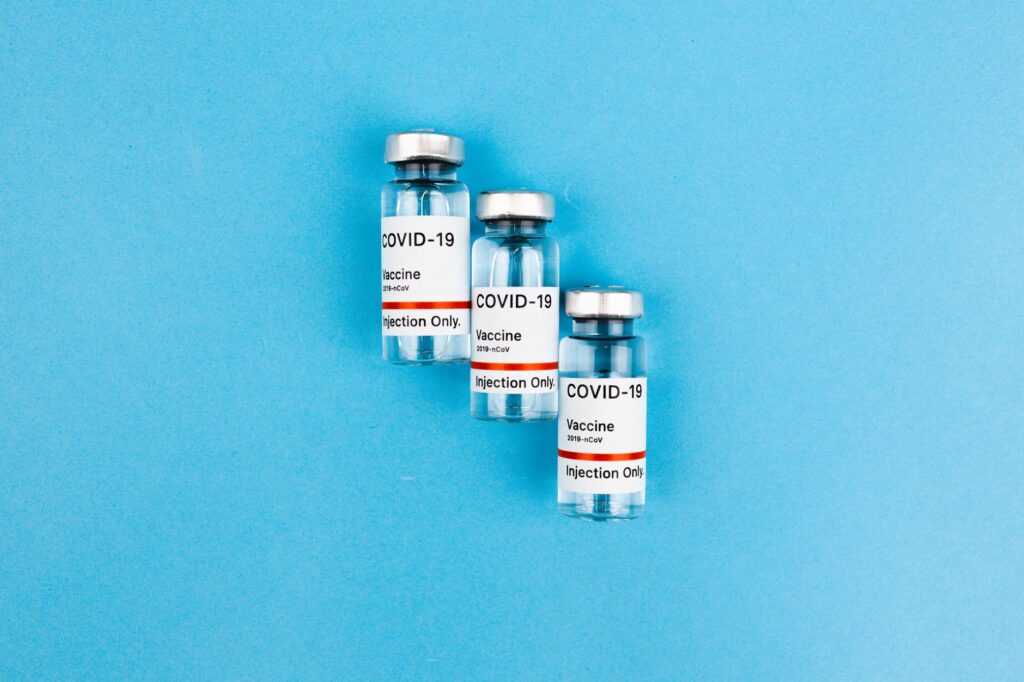
Independent outlets have scrutinized Senator Ted Cruz’s assertion that Covid-19 vaccines cause miscarriages, finding no credible evidence to support the claim. This synthesis examines the controversy, the scientific consensus, and the pattern of medical misinformation that continues to circulate.
Fact-Checking Trump's Vaccine Claim
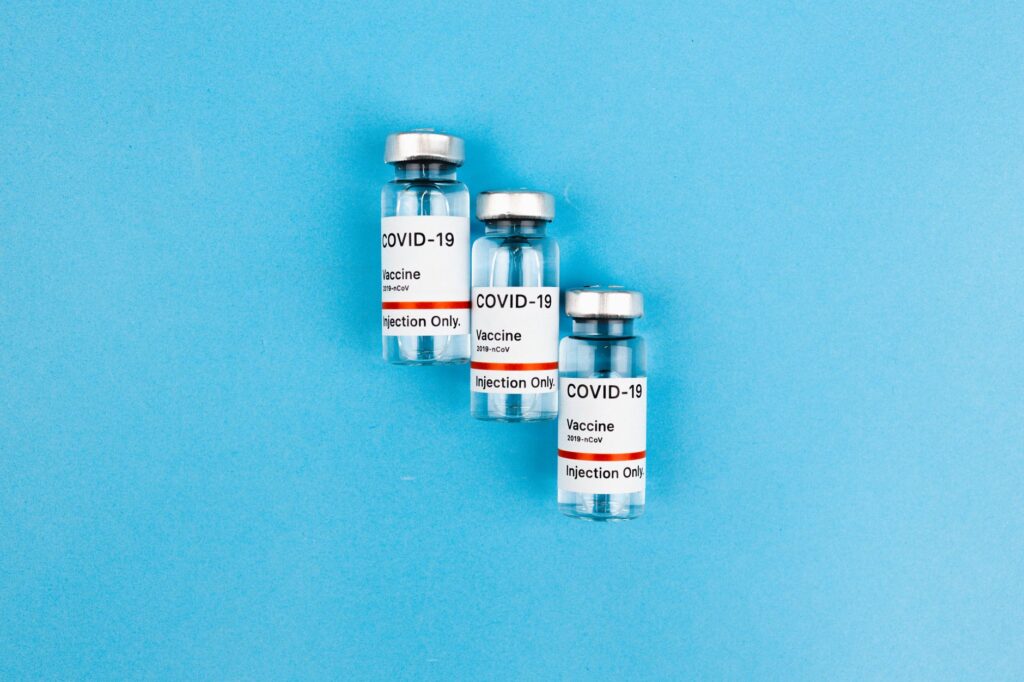
Former President Donald Trump’s assertion that childhood vaccines contain the same ingredients as a bottle of soda has been widely disputed by public health experts and fact-checkers. This synthesis shows no evidence that vaccine formulations mirror soda ingredients, highlighting how such claims can undermine trust in vaccines.
Examining the Facts Behind the Childhood Immunization Executive Order
An executive order seeks to limit childhood vaccines and split the MMR vaccine into separate components, claiming the combined MMR shot can be quite lethal. This synthesis examines the policy’s rationale, the evidence behind it, and the implications for public health.
Questions Raised by the GLP-1 Drug Pilot Program

The GLP-1 drug pilot program has raised several questions regarding its implementation and potential impact on public health. This synthesis delves into the details of the program, examining both the potential benefits and the concerns surrounding it.
The Enduring Myth of the Vaccine-Autism Link

An unverified report claims the White House is drafting an executive order tying vaccines to autism, a myth that has been debunked repeatedly. This synthesis looks at the claim’s origins, the evidence against it, and how misinformation about vaccines spreads through political and social channels.
Key Takeaways
- The spread of misinformation about COVID-19 vaccines and their safety is a significant public health concern.
- Politicians and public figures have a responsibility to ensure the accuracy of the health information they disseminate.
- Long-debunked myths about vaccines, such as the link to autism, continue to pose a challenge for public health education.
- Reliance on evidence-based information is crucial for making informed decisions about health.
Explore more from our Health Myths & Medical Misinformation coverage.