

This week underscored the global escalation of state-driven narrative control, with governments and institutions leveraging legal, economic, and cultural tools to reshape public discourse. From Russia’s sweeping moves to nationalize book publishing and weaponize digital encyclopedias to Ukraine’s sanctions targeting children’s media, the battle over information has expanded beyond traditional news cycles into the fabric of cultural production. These developments reflect a broader trend: the erosion of independent voices under the guise of security, neutrality, or moral authority.
Meanwhile, regulatory clashes in the U.S. and academic censorship debates highlight the fragility of institutional safeguards against disinformation—whether state-sponsored or corporate. As propaganda tactics grow more sophisticated, the line between censorship and countermeasures blurs, leaving publics to navigate competing claims of truth and harm. The week’s events demand scrutiny of who controls the narratives—and at what cost.
This Week’s Six Featured Articles
Kremlin Tightens Grip on Literary Expression with Publishing Nationalization

Russia’s Ministry of Culture is advancing legislation to bring all book publishing—commercial and non-profit—under direct state control by 2026. The move, framed as a measure to stabilize cultural production, would effectively eliminate independent literary voices, centralizing editorial authority in a single bureaucratic apparatus. Analysts warn the policy mirrors historical Soviet-era censorship, with implications for both domestic dissent and global Russian-language media.
Russia’s Wikipedia Alternative: A Blueprint for Authoritarian Knowledge Control
Launched in 2021 as a “neutral” alternative to Wikipedia, Russia’s state-backed encyclopedia has evolved into a propaganda tool, systematically scrubbing references to the Ukraine war, rewriting history, and enforcing Kremlin-aligned editorial guidelines. Independent investigations reveal a pattern of selective omission and narrative engineering, offering a case study in how digital platforms can be repurposed to erode factual consensus under authoritarian regimes.
FCC Levels Disinformation Allegations Against ABC in First Amendment Clash

The Federal Communications Commission has accused ABC of conducting an “ongoing disinformation campaign,” escalating a legal dispute rooted in a First Amendment lawsuit. The allegations center on claims about the network’s editorial practices and reporting accuracy, raising critical questions about regulatory overreach, corporate accountability, and the limits of press freedom in an era of politicized media scrutiny.
Ukraine Sanctions Children’s Cartoon Creators Over Alleged Kremlin Ties

Ukraine’s decision to sanction the creators of the globally popular *Masha and the Bear* marks a sharp escalation in cultural warfare, with authorities citing alleged propaganda links to the Kremlin. While some outlets frame the move as a necessary defense against Russian influence, others question its legal basis and potential collateral damage to international media collaborations, underscoring the complexities of sanctioning art as a geopolitical weapon.
Academic Freedom Under Fire After Scholar’s Death Sparks Censorship Debates

The death of a prominent scholar has reignited debates over censorship in academia, with competing narratives framing suppression as either a threat to intellectual freedom or a protective measure for marginalized communities. Reporting on the controversy reveals selective framing, unresolved tensions, and the growing polarization of discourse within higher education institutions.
Russian State Media Exploits Ukrainian Strikes for Propaganda Narratives
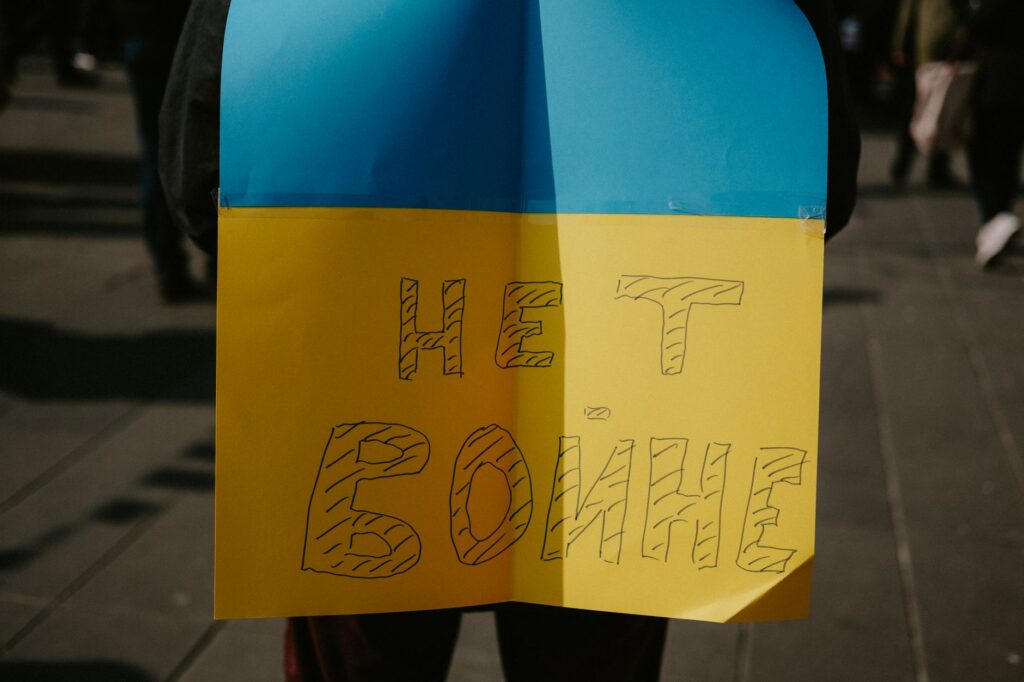
Russian outlets are systematically repurposing footage and claims from Ukrainian strikes to amplify narratives of Ukrainian “provocations” and “war crimes,” while suppressing or distorting context. Investigations by *The Kyiv Independent* and *Yahoo* expose a coordinated effort to manipulate public perception, demonstrating how state media weaponizes real events to serve geopolitical agendas.
Key Takeaways
- State control over cultural production is expanding, with Russia’s nationalization of publishing and Ukraine’s sanctions on children’s media reflecting broader trends in narrative consolidation.
- Digital platforms like Russia’s Wikipedia clone reveal how authoritarian regimes repurpose “neutral” tools to enforce ideological conformity, eroding trust in shared knowledge bases.
- Regulatory and legal battles in the U.S. and academia highlight the precarious balance between combating disinformation and preserving free expression, with institutions increasingly polarized over where to draw the line.
- Propaganda tactics are growing more sophisticated, with state media exploiting real events—such as Ukrainian strikes—to manufacture consent and distort public perception.
Explore more from our Media, Propaganda & Narrative Control coverage.