

This week underscored the escalating challenges and evolving responses to AI-generated deepfakes, as synthetic media continues to permeate elections, healthcare, entertainment, and the judicial system. From high-profile prosecutions to regulatory innovations, the landscape of digital truth is being reshaped by both malicious actors and those racing to counter them. While new legislation remains a topic of debate, existing legal frameworks are being tested—and sometimes proven sufficient—in the fight against AI-driven deception.
Emerging models of governance, such as Brazil’s prevention-focused approach, highlight a growing recognition that detection alone is insufficient. Meanwhile, the financial and societal costs of deepfakes are becoming harder to ignore, with scams and misinformation campaigns exacting a heavy toll. As courts grapple with the authenticity of evidence and industries scramble to protect intellectual property, the urgency for adaptive, proactive solutions has never been clearer.
This Week’s Six Featured Articles
Existing Laws Prove Effective in Deepfake Prosecution

Federal prosecutors demonstrated the viability of current legal tools by charging the creators of a synthetic audio deepfake of President Biden without invoking new AI-specific statutes. The case illustrates how traditional fraud and impersonation laws can be leveraged to address election interference, even as debates over dedicated AI legislation continue. This precedent suggests that prosecutorial adaptation may outpace legislative reform in the near term.
AI-Generated Scam Costs Australians Millions

A single deepfake video falsely depicting Prime Minister Anthony Albanese endorsing an investment scheme triggered a $7.4 million fraud wave in Australia. The incident exposes the fragmented response from regulators and platforms, as well as the alarming ease with which synthetic media can manipulate public trust. Questions linger over accountability and the adequacy of existing safeguards against AI-driven financial crimes.
Deepfake Medicine Ads Threaten Patient Safety

A leading hospital issued a warning about AI-generated deepfake videos promoting prescription and over-the-counter drugs, posing significant risks to public health. These synthetic campaigns mimic trusted medical professionals, undermining regulatory oversight and patient trust. The alert underscores the need for urgent action to combat the spread of fraudulent health-related content online.
Courts Struggle with Deepfake Evidence Authentication

Judicial systems in 2026 are facing a surge of AI-generated audio and video evidence that defies traditional verification methods. The lack of standardized forensic protocols is creating systemic risks, as deepfakes are increasingly introduced in court without clear authentication. This trend threatens to erode confidence in legal proceedings and demands immediate attention from policymakers and technologists alike.
Hollywood’s AI Deepfake Pact: Progress or Peril?

An industry-backed agreement aims to curb AI deepfakes in Hollywood, but critics argue it falls short of protecting performers and audiences. While the deal represents a step toward accountability, its gaps highlight the accelerating crisis of synthetic media in entertainment. The pact’s limitations raise concerns about whether voluntary measures can keep pace with technological advancements.
Brazil’s Proactive Approach to Deepfake Governance
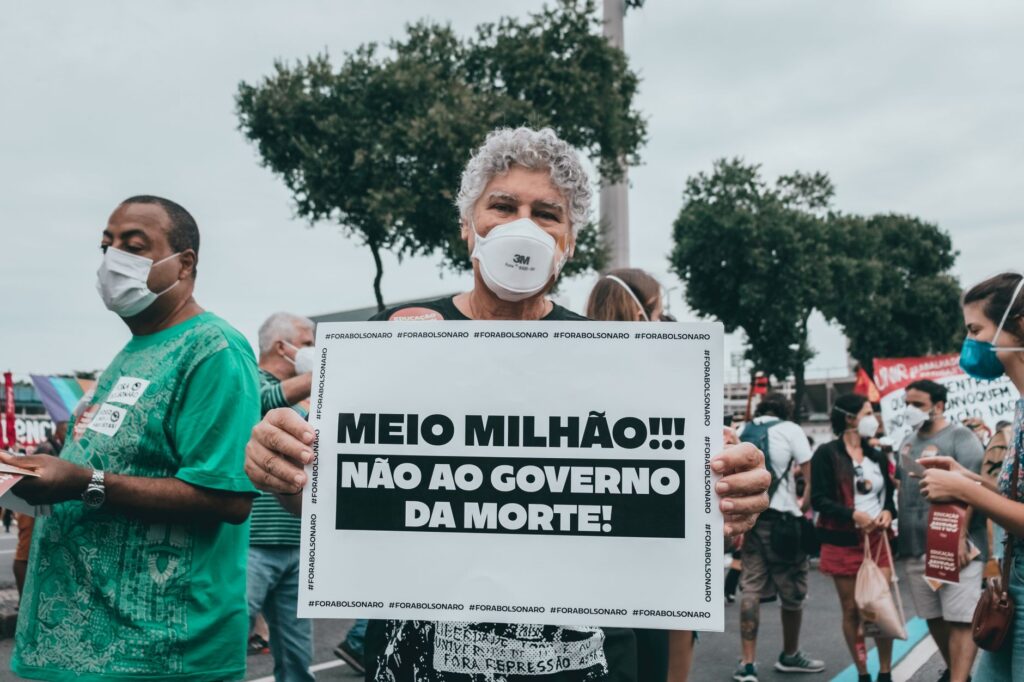
Brazil is pioneering a regulatory model that prioritizes prevention and transparency over reactive detection in combating AI-generated deepfakes. By integrating labeling requirements and public awareness campaigns, the framework offers a potential blueprint for global digital governance. This shift signals a growing recognition that addressing deepfakes requires more than technological solutions—it demands systemic change.
Key Takeaways
- Existing legal frameworks, such as fraud and impersonation statutes, can effectively address AI-generated deepfakes without new legislation, as demonstrated by recent prosecutions.
- Deepfake-driven scams and misinformation campaigns are inflicting significant financial and societal harm, exposing gaps in regulatory and platform responses.
- Courts are increasingly challenged by AI-generated evidence, highlighting the urgent need for standardized forensic protocols to preserve judicial integrity.
- Industry-led initiatives, like Hollywood’s deepfake pact, may offer limited protection, underscoring the need for stronger, enforceable safeguards.
- Brazil’s prevention-focused governance model presents a forward-looking alternative to detection-centric approaches, emphasizing transparency and public awareness.
Explore more from our Technology, AI & Digital Truth coverage.