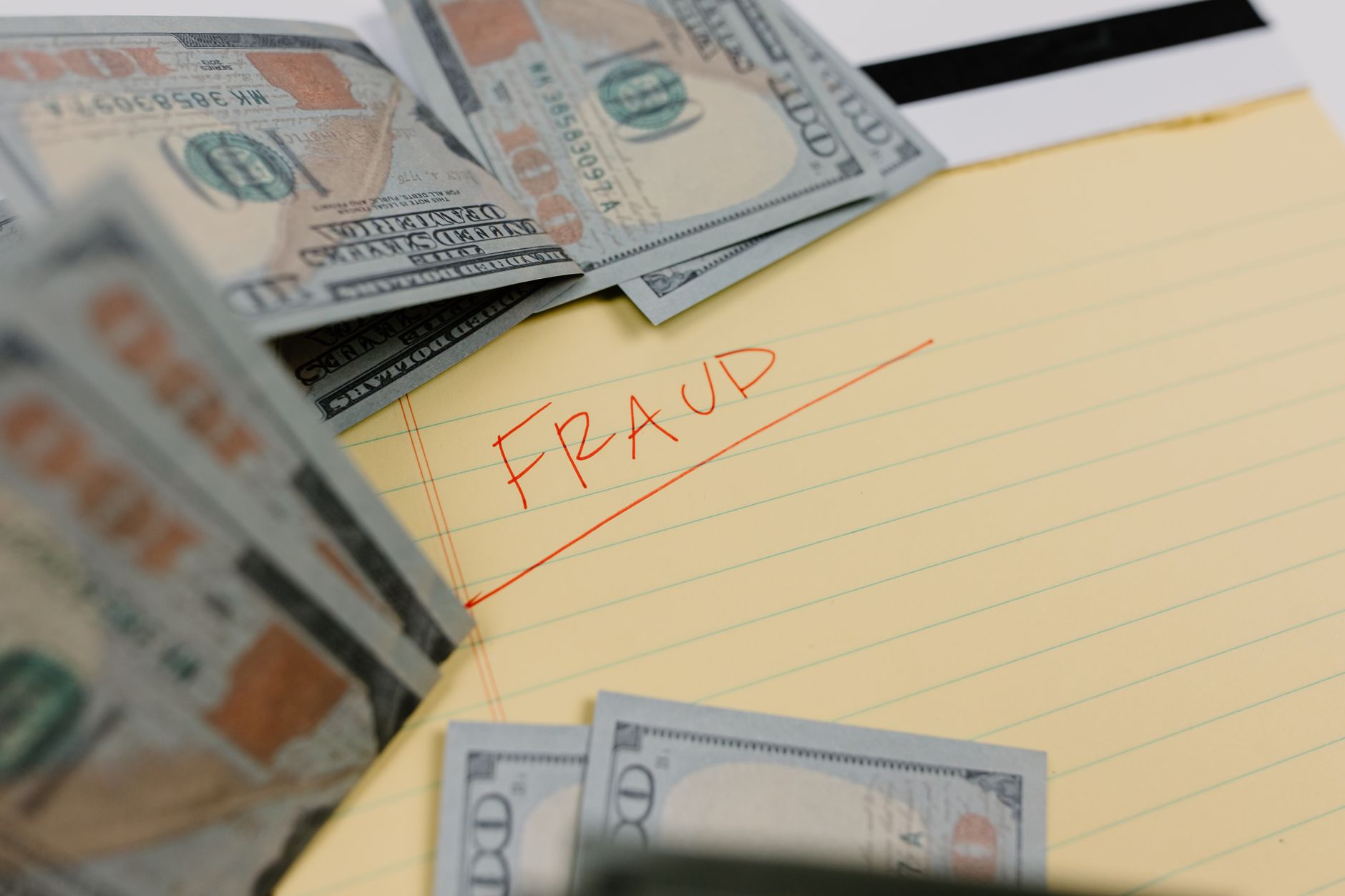
Imagen principal:Tara Winstead / Pexels
Esquema Ponzi Fraude Condado de Lancaster
Un hombre del condado de Lancaster se ha declarado culpable de cargos federales por fraude tras alegar los fiscales que operó un esquema Ponzi de 400 millones de dólares que defraudó a cientos de inversores durante varios años. El caso subraya los persistentes riesgos del fraude en inversiones y los mecanismos que usan los operadores de esquemas Ponzi para prolongar el engaño.
Investigación periodística deEnquirer.comha confirmado que un hombre de Pensilvania se declaró culpable de cargos federales de fraude derivados de alegaciones de que operó un esquema Ponzi de $400 millones dirigido a inversores en varios estados. El caso, que ahora avanza hacia la sentencia, destaca cómo los esquemas Ponzi sofisticados pueden evadir la detección durante años al explotar la confianza, las lagunas regulatorias y la ingenuidad de los inversores. Esta síntesis examina la mecánica del supuesto esquema, la respuesta institucional y las implicaciones más amplias para la protección de los inversores. Si bien este es el único medio que informa sobre este caso específico en este momento, el patrón de engaño coincide con la mecánica documentada de los esquemas Ponzi observados en fraudes de alto perfil similares.
—
Contexto e Antecedentes dos Esquemas Ponzi
Los esquemas Ponzi son una forma de fraude de inversión en la que los rendimientos pagados a inversores anteriores no se financian con beneficios legítimos de la empresa, sino con el capital aportado por nuevos inversores. Llevan el nombre de Charles Ponzi, quien orquestó un fraude de 6 millones de dólares en la década de 1920 (equivalente a más de 100 millones de dólares hoy), y estos esquemas dependen de un ciclo insostenible de reclutamiento y pagos. Colapsan cuando los nuevos flujos de inversión no logran cubrir los rendimientos prometidos, dejando a la mayoría de los participantes con pérdidas significativas.
Los esquemas Ponzi suelen disfrazarse de oportunidades de inversión legítimas, prometiendo rendimientos inusualmente altos o consistentes con poco riesgo. Explotan desencadenantes psicológicos como el miedo a perderse algo (FOMO), la confianza en figuras de autoridad y el deseo de ingresos pasivos. Los reguladores advierten que los operadores de esquemas Ponzi suelen utilizar jerga compleja, estados financieros falsos y tácticas de presión para ocultar la verdadera naturaleza del fraude. A diferencia de los esquemas piramidales, que requieren que los participantes recluten a otros para ganar dinero, los esquemas Ponzi se basan principalmente en los fondos de nuevos inversores para pagar a los inversores anteriores, lo que los hace parecer más sostenibles a corto plazo.
Casos históricos como el esquema Ponzi de Bernard Madoff de 65 mil millones de dólares y el fraude de Scott Rothstein de 1.200 millones de dólares demuestran cómo incluso inversores y instituciones sofisticados pueden ser engañados cuando la confianza, la reputación y las redes sociales son utilizadas como armas. Estos esquemas suelen prosperar en entornos con poca transparencia, supervisión débil o donde el escrutinio regulatorio se limita a sectores o jurisdicciones específicas.
—
Comparando Informes: Una Referencia Cruzada de Principales Medios
En este momento,Enquirer.comes el único medio que informa sobre el caso del esquema Ponzi del condado de Lancaster. Aunque la falta de cobertura de otros medios limita la comparación directa entre outlets, los detalles proporcionados por Inquirer.com coinciden con los patrones establecidos observados en otros casos destacados de esquemas Ponzi documentados por periodistas especializados en delitos financieros y reguladores.
Por ejemplo, elComisión de Bolsa y Valores de Estados Unidos (SEC)ha enfatizado anteriormente que los operadores de esquemas Ponzi suelen dirigirse a comunidades unidas—como grupos religiosos, étnicos o profesionales—donde la confianza es alta y el escepticismo es bajo. El informe de Inquirer.com no especifica la base de inversores, pero la magnitud ($400 millones) y la duración (varios años) sugieren una red amplia, posiblemente regional o basada en afinidades, de víctimas. Este mecanismo refleja casos como el escándalo Madoff, donde los inversores eran presentados con frecuencia a través de intermediarios de confianza.
Mientras ningún otro medio importante ha publicado sobre este caso específico hasta la fecha, los informes históricos de medios comoReutersyEl Wall Street Journalen esquemas similares de Ponzi proporciona contexto para entender cómo suelen descubrirse este tipo de fraudes. Estos medios han documentado cómo los informantes, auditorías regulatorias o caídas del mercado suelen desencadenar investigaciones, lo que lleva al desmantelamiento del ciclo fraudulento. La cuenta de Inquirer.com, aunque singular en alcance, encaja dentro de un patrón bien documentado de la mecánica de los esquemas Ponzi y sus resultados en las investigaciones.
—
La Reclamación y el Esquema: Comprender el Esquema Ponzi de $400 Millones
SegúnEnquirer.com, un hombre del condado de Lancaster se declaró culpable de cargos federales de fraude tras acusarlo la fiscalía federal de operar un esquema Ponzi de 400 millones de dólares. Según se alega, el esquema defraudó a cientos de inversores durante varios años al prometer altos rendimientos que se pagaban con fondos de nuevos inversores en lugar de con operaciones comerciales legítimas. La declaración de culpabilidad del acusado indica que la fiscalía presentó pruebas contundentes, incluidos registros financieros y testimonios de testigos, que respaldan las acusaciones de fraude.
El informe no detalla el vehículo de inversión específico utilizado—como un fondo de cobertura, fondo de capital privado o valor no registrado—pero la magnitud y la estructura sugieren una oferta no registrada o con regulación mínima. Los operadores de esquemas Ponzi suelen aprovechar exenciones de registro de valores, como la Regulación D bajo la Ley de Valores, que permite ofertas privadas a inversores acreditados sin la divulgación completa de la SEC. Esta laguna regulatoria puede permitir que los estafadores operen con un mínimo de escrutinio, especialmente cuando la debida diligencia del inversor es superficial o inexistente.
La declaración de culpabilidad, según lo descrito por Inquirer.com, indica que el acusado ha admitido los elementos esenciales del fraude, incluyendo la tergiversación del rendimiento de las inversiones, la apropiación indebida de fondos de los inversores y la operación sin actividades comerciales legítimas que generaran los rendimientos prometidos. Estas declaraciones suelen preceder a la sentencia, donde los jueces consideran factores como el monto de la pérdida, el número de víctimas y la aceptación de responsabilidad por parte del acusado.
Mientras que Inquirer.com no especifica el mecanismo legal mediante el cual se descubrió el esquema—como una denuncia de un informante, una inspección regulatoria o un evento de estrés en el mercado—la declaración de culpabilidad sugiere que los investigadores federales reunieron un caso contundente, probablemente basado en contabilidad forense, rastreo de transacciones y entrevistas a las víctimas.
—
Combined Evidence: Lo Que los Hechos Demuestran Realmente
El informe de Inquirer.com presenta una narrativa coherente de un esquema Ponzi a gran escala: un residente del condado de Lancaster se declaró culpable de cargos federales de fraude relacionados con un esquema de $400 millones que, según se alega, defraudó a cientos de inversores durante varios años. La declaración de culpabilidad confirma que las pruebas de la fiscalía fueron suficientes para establecer la culpabilidad en las principales acusaciones de fraude, incluyendo la tergiversación de rendimientos y la apropiación indebida de fondos.
Mientras que el informe no proporciona detalles granulares como el número de víctimas, la duración del esquema o el producto de inversión específico utilizado, la cifra de 400 millones de dólares y la declaración de culpabilidad son consistentes con la magnitud y los resultados de otros esquemas Ponzi importantes perseguidos en Estados Unidos. Por ejemplo, la SEC ha señalado anteriormente que los esquemas Ponzi suelen colapsar cuando los retiros se disparan o la nueva inversión se ralentiza, lo que desencadena investigaciones que revelan la ausencia de activos o ingresos subyacentes.
La declaración de culpabilidad, según se informó, representa un punto de inflexión crítico: confirma la existencia del fraude y el papel del acusado, pero no resuelve las preguntas sobre cómo el esquema evadió la detección durante tanto tiempo. La falta de informes adicionales de otros medios limita la capacidad de triangular detalles como el alcance geográfico de los inversores, el papel de los intermediarios o el historial regulatorio del vehículo de inversión. Sin embargo, el patrón —grandes rendimientos prometidos, pagos consistentes al principio y el colapso eventual— es consistente con la mecánica documentada de los esquemas Ponzi.
Evidencia de Fortaleza y Brechas
La cuenta de Inquirer.com es internamente consistente y coincide con indicadores conocidos de esquemas Ponzi. Sin embargo, varios detalles clave siguen sin especificarse, incluyendo:
- El vehículo de inversión específico o la estructura legal utilizada
- La cantidad y distribución de las víctimas
- Los mecanismos utilizados para captar inversores (por ejemplo, redes de afinidad, recomendaciones profesionales, contacto en frío)
- Si las agencias reguladoras habían tenido contacto previo con la entidad o el individuo
- La cronología de la operación y el colapso del esquema
Estas lagunas no son inusuales en los informes iniciales sobre delitos financieros, donde las investigaciones están en curso y a menudo se omiten detalles para proteger la integridad de los procesos judiciales. A medida que se disponga de información adicional a través de presentaciones judiciales, acciones regulatorias o periodismo de investigación, se revelará una imagen más completa de la mecánica y el impacto del esquema.
—
Banderas Rojas y Lista de Verificación para Desacreditar el Fraude en Inversiones
Inversiones fraudulentas, en particular esquemas Ponzi, suelen basarse en un conjunto de señales de alerta recurrentes que los inversores pueden aprender a reconocer. La siguiente lista de verificación sintetiza las señales de advertencia identificadas por reguladores financieros, agencias de protección al consumidor y reportajes de investigación sobre casos importantes de fraude.
| Bandera Roja | Por qué es importante | Ejemplo de Casos Conocidos |
|---|---|---|
| Promesas de rendimientos inusualmente altos o consistentes con poco o ningún riesgo | Las inversiones legítimas conllevan riesgo; los rendimientos no están garantizados. Es estadísticamente improbable obtener rendimientos consistentemente altos a lo largo de períodos prolongados. | Bernard Madoff prometió rendimientos anuales estables del 10–12% durante décadas, muy por encima de los promedios del mercado. |
| Estrategias de inversión excesivamente complejas o reservadas | Los estafadores usan jerga y opacidad para ocultar la falta de inversiones reales. Las estrategias legítimas suelen ser transparentes. | Los operadores de esquemas Ponzi suelen afirmar que utilizan estrategias propietarias o en paraísos fiscales que no pueden ser verificadas de forma independiente. |
| Dificultad para recibir pagos o retiros | Inversores tempranos son pagados con dinero de nuevos inversores; cuando los retiros aumentan, el esquema puede retrasar o denegar pagos. | En el caso Rothstein, los inversores informaron de retrasos en la recepción de solicitudes de reembolso a medida que el esquema se acercaba al colapso. |
| Presión por invertir rápidamente o perderse la oportunidad | Los estafadores crean urgencia para evitar la debida diligencia. Las oportunidades legítimas no caducan. | Los fraudes de afinidad a menudo utilizan eventos sociales o apelaciones personales para presionar a los miembros a invertir de inmediato. |
| Inversiones no registradas o vendedores sin licencia | La mayoría de las oportunidades de inversión legítimas están registradas con la SEC o los reguladores estatales. Los esquemas Ponzi a menudo explotan exenciones sin una divulgación adecuada. | Muchos esquemas Ponzi operan bajo exenciones de la Regulación D, que limitan la divulgación a inversores acreditados solamente. |
| Rendimiento consistentemente sobresaliente independientemente de las condiciones del mercado | Los mercados fluctúan; los rendimientos consistentes en todas las condiciones son un sello distintivo de fraude. Los operadores de esquemas Ponzi suavizan los rendimientos para aparentar estabilidad. | El fondo de Madoff reportó rendimientos positivos incluso durante caídas del mercado, una imposibilidad estadística para una estrategia real de trading. |
| Falta de auditorías independientes o verificación de terceros | Los fondos legítimos son sometidos a auditorías periódicas por empresas de prestigio. Los operadores de esquemas Ponzi suelen utilizar auditores falsos o cómplices. | En el caso Madoff, el auditor era una firma de una sola persona sin capacidad significativa de supervisión. |
| Afinidad o contratación basada en la confianza (por ejemplo, grupos religiosos, étnicos o profesionales) | Los estafadores aprovechan la confianza preexistente para reducir las sospechas y aumentar la participación. | Los esquemas Ponzi han apuntado a iglesias, clubes campestres y asociaciones profesionales para ganar credibilidad. |
Los inversores deben tratar cualquier inversión que muestre múltiples señales de alerta con extrema precaución. La presencia de incluso una o dos señales de alerta no confirma fraude, pero justifica un mayor escrutinio, verificación independiente y consulta con un profesional financiero licenciado o regulador.
—
Respuesta de Expertos e Instituciones ante el Fraude de Esquemas Ponzi
La fiscalía federal de esquemas Ponzi suele estar dirigida por las Oficinas del Fiscal de los EE. UU. en colaboración con el Buró Federal de Investigaciones (FBI), la SEC y la Red de Ejecución de Delitos Financieros (FinCEN). Estas agencias despliegan contadores forenses, analistas financieros y coordinadores de víctimas-testigos para desmantelar el fraude y recuperar los activos. En el caso reportado por Inquirer.com, la declaración de culpabilidad sugiere que los investigadores federales reunieron pruebas suficientes para asegurar una condena sin necesidad de juicio.
La SEC desempeña un papel fundamental en la detección y prevención de esquemas Ponzi a través de su División de Cumplimiento, que investiga ofertas no registradas de valores, declaraciones falsas y apropiación indebida de fondos de inversores. La SEC ha emitido múltiples boletines para inversores advirtiendo sobre esquemas Ponzi, destacando la importancia de verificar el estado de registro a través de laBase de datos EDGARy verificar la legitimidad de los profesionales de inversión a través deConsejo, Reclamación o Referencia (TCR) portal.
Los reguladores de valores estatales, como la Comisión de Valores de Pensilvania, también investigan esquemas Ponzi que operan dentro de sus jurisdicciones. Estos reguladores suelen coordinarse con agencias federales, en particular cuando los esquemas trascienden fronteras estatales o involucran a múltiples víctimas. La declaración de culpabilidad reportada por Inquirer.com probablemente refleja la coordinación entre fiscales federales y reguladores estatales, especialmente dado el presunto alcance y la naturaleza interestatal del esquema.
Además de las acciones de cumplimiento, reguladores y organizaciones sin fines de lucro ofrecen recursos educativos para ayudar a los inversores a identificar y evitar esquemas Ponzi. La Asociación de Administradores de Valores de América del Norte (NASAA) y la Autoridad Reguladora de la Industria Financiera (FINRA) publican guías sobre cómo detectar fraudes de inversión, incluidos esquemas Ponzi. Estos recursos destacan la importancia de la investigación independiente, el escepticismo ante los rendimientos "garantizados" y la verificación de oportunidades de inversión a través de canales oficiales.
—
Análisis original: Patrones entre fuentes y sus implicaciones
Juntos, el informe de Inquirer.com y el amplio cuerpo de periodismo de investigación sobre esquemas Ponzi revelan un patrón consistente de engaño que trasciende la geografía, la sofisticación del inversor y la supervisión regulatoria. Aunque este caso es de reciente publicación y carece de corroboración por parte de otros medios, su estructura —grandes rendimientos prometidos, pagos iniciales consistentes, colapso eventual y una declaración de culpabilidad— refleja el ciclo de vida de los esquemas Ponzi documentados en casos como los de Madoff, Rothstein y Stanford.
One notable pattern is the exploitation of regulatory exemptions. Ponzi operators frequently structure their schemes as private placements under Regulation D, which allows them to avoid full SEC registration and disclosure requirements. This exemption is intended for accredited investors who are presumed to be sophisticated and capable of assessing risk. However, in practice, it creates a loophole that fraudsters exploit to operate with minimal transparency. The $400 million scale reported in this case suggests that the scheme likely involved multiple layers of obfuscation, possibly including shell entities, offshore accounts, or fake financial statements.
Otra característica recurrente es el uso de redes de confianza y afinidad para reducir las sospechas. Los operadores de esquemas Ponzi suelen dirigirse a comunidades donde la confianza es alta y el escepticismo es bajo, como grupos religiosos, asociaciones profesionales o enclaves étnicos. Aunque Inquirer.com no especifica la base de inversores, la magnitud de la presunta estafa sugiere una red extensa, posiblemente abarcando varios estados. Este mecanismo no solo amplía el grupo de víctimas potenciales, sino que también facilita que el operador mantenga la ilusión de legitimidad mediante refuerzos sociales.
La declaración de culpabilidad en este caso subraya el papel de la fiscalía federal en desmantelar esquemas Ponzi una vez que son descubiertos. Sin embargo, también resalta las limitaciones de la aplicación de la ley: para cuando se detecta un esquema, la mayoría de los inversores ya han sufrido pérdidas significativas. Esta realidad enfatiza la necesidad de educación proactiva para inversores, una supervisión regulatoria más estricta de las colocaciones privadas y mayor transparencia en los informes de inversión.
Finalmente, el caso sirve como recordatorio de que los esquemas Ponzi no son reliquias del pasado, sino amenazas en evolución que se adaptan a las condiciones del mercado, los entornos regulatorios y el comportamiento de los inversores. A medida que los productos financieros se vuelven más complejos y las plataformas digitales permiten un acceso más amplio a oportunidades de inversión, el riesgo de fraudes al estilo Ponzi puede aumentar. Los inversores deben mantenerse alerta, realizar una debida diligencia independiente y tratar con escepticismo cualquier inversión que prometa rendimientos inusualmente altos o consistentes.
—
Protegiéndose: Qué hacer ante el fraude de inversiones
Los inversores pueden tomar varias medidas concretas para reducir el riesgo de ser víctimas de esquemas Ponzi u otras formas de fraude en inversiones. Estas acciones se basan en las señales de alerta y patrones identificados por reguladores y periodistas de investigación.
Verificar Registro y Licenciamiento
Antes de invertir, verifica si la inversión y la persona o empresa que la vende están registradas ante la SEC o los reguladores estatales. Usa laBase de datos EDGARpara buscar empresas ySEC’s portal TCRa reportar actividades sospechosas. Para corredores de bolsa y asesores de inversión, utilice elBrokerCheckHerramienta para verificar credenciales e historial disciplinario.
2. Verificación Independiente de la Demanda
Pida y verifique de manera independiente los estados financieros, auditorías y reclamos de rendimiento. Las inversiones legítimas suelen ser auditadas por empresas reconocidas, y sus rendimientos deben ser consistentes con las condiciones del mercado. Desconfíe de inversiones que no puedan ser auditadas de manera independiente o cuyo rendimiento sea demasiado estable para ser realista.
3. Evite la presión y la urgencia
Los estafadores suelen presionar a los inversores para que actúen con rapidez y no pierdan la oportunidad. Tómese su tiempo para investigar la oportunidad, consulte con un asesor financiero de confianza y revise toda la documentación. Las inversiones legítimas no caducan.
4. Investigue el vehículo de inversión y el operador
Busca señales de alerta como valores no registrados, estrategias complejas o secretas, y falta de transparencia. Investiga el nombre del operador, el nombre de la inversión y cualquier entidad relacionada en bases de datos regulatorias y archivos de noticias. Presta atención a quejas o advertencias de reguladores u organizaciones de protección al consumidor.
5. Diversifique y limite la exposición
No debe invertir una parte desproporcionada de su cartera en ningún activo. La diversificación reduce el riesgo, y las altas concentraciones en cualquier oportunidad única —especialmente en aquellas que prometen rendimientos excepcionales— deben abordarse con precaución.
6. Reportar Actividad Sospechosa
Si sospecha de fraude de inversión, repórtelo a la SEC, FINRA, al regulador de valores de su estado o al Centro de Quejas contra Delitos en Internet del FBI (IC3). Reportar temprano puede ayudar a las autoridades a intervenir antes de que más víctimas resulten afectadas.
—
Preguntas Frecuentes sobre Fraude de Esquemas Ponzi
¿Qué es un esquema Ponzi?
Un esquema Ponzi es un tipo de fraude de inversión en el que los rendimientos pagados a los inversores anteriores no se financian con beneficios legítimos del negocio, sino con el capital aportado por nuevos inversores. El esquema crea la ilusión de rentabilidad y sostenibilidad hasta que el flujo de nuevo dinero se detiene, momento en el que el esquema colapsa y la mayoría de los inversores pierden su dinero.
¿Cómo puedo saber si una inversión es un esquema Ponzi?
Los esquemas Ponzi suelen presentar varias señales de alerta, como promesas de rendimientos inusualmente altos o consistentes con poco o ningún riesgo, estrategias excesivamente complejas o secretas, dificultades para recibir retiros, presión para invertir rápidamente, inversiones no registradas y falta de auditorías independientes. Si una inversión presenta múltiples banderas rojas, trátela con extrema precaución y realice una debida diligencia exhaustiva.
¿Por qué colapsan los esquemas Ponzi?
Los esquemas Ponzi colapsan cuando el operador ya no puede atraer suficientes nuevos inversores para pagar los rendimientos prometidos a los inversores anteriores. Esto puede ocurrir debido a caídas del mercado, mayores retiros de inversores, escrutinio regulatorio o denunciantes que exponen el fraude. Una vez que el flujo de nuevo dinero se ralentiza o se detiene, el esquema no puede sostener los pagos y colapsa.
¿Qué les ocurre a los inversores cuando un esquema Ponzi colapsa?
Los inversores suelen perder la mayor parte o la totalidad de su capital invertido cuando un esquema Ponzi colapsa. En algunos casos, los tribunales pueden ordenar decomisos de activos o pagos de restitución, pero estas recuperaciones suelen ser mínimas y se distribuyen años después del colapso. Rara vez los inversores recuperan su inversión por completo.
¿Qué tan comunes son los esquemas Ponzi?
Los esquemas Ponzi son relativamente raros en comparación con otros tipos de fraude de inversión, pero suelen atraer una atención mediática significativa debido a su magnitud y al número de víctimas involucradas. La SEC y los reguladores estatales investigan docenas de esquemas Ponzi sospechosos cada año, y casos de alto perfil como Madoff y Stanford han llevado a un mayor escrutinio de colocaciones privadas y ofertas no registradas.
—