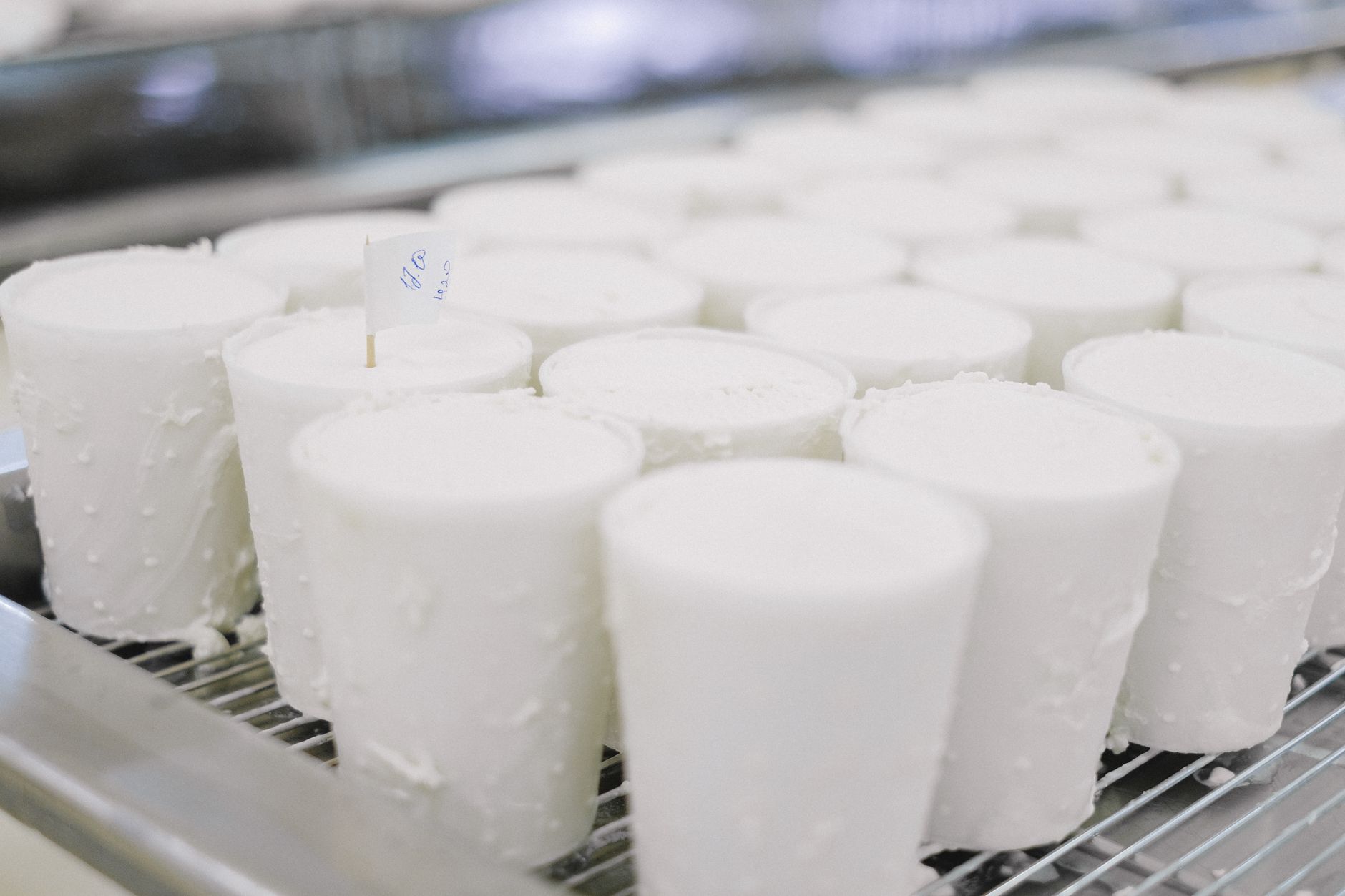
Imagen principal:Anna Shvets / Pexels
Etiqueta de Advertencia sobre Queso de Leche Cruda: Resumen de la Petición a la FDA
Un próximo proyecto de petición ciudadana busca exigir etiquetas de advertencia en el queso de leche cruda para abordar los riesgos de seguridad alimentaria asociados con los productos lácteos no pasteurizados. Marler Blog detalló la solicitud regulatoria preliminar, invitando a la revisión y crítica públicas antes de la presentación formal. Esta revisión investigativa examina los argumentos, el alcance y el contexto que rodean la propuesta de etiquetado obligatorio.
El debate sobre la seguridad de los productos lácteos no pasteurizados ha centrado tradicionalmente su atención en la leche fluida, pero la supervisión regulatoria está cada vez más enfocada en categorías especializadas y artesanales de lácteos. Según Marler Blog, una nueva petición está en preparación para ser presentada a la Administración de Alimentos y Medicamentos de los Estados Unidos (FDA) con el fin de exigir etiquetas de advertencia explícitas en el queso de leche cruda. Los defensores de esta medida argumentan que los consumidores carecen de información suficiente sobre los riesgos microbiológicos potenciales asociados con los alimentos no pasteurizados, mientras que los críticos de la etiquetación obligatoria suelen señalar los procesos tradicionales de envejecimiento y las regulaciones de seguridad existentes. Comprender el marco de esta petición propuesta requiere un examen sistemático del material fuente disponible, su justificación planteada y el panorama regulatorio más amplio.
Introducción a la solicitud propuesta ante la FDA
El mecanismo regulatorio en el centro de esta discusión es una petición ciudadana elaborada para su presentación ante la FDA. Según lo reportado por Marler Blog, el documento propone una exigencia formal de que todos los productos de queso de leche cruda incluyan una etiqueta de advertencia dirigida al consumidor que detalle los posibles riesgos para la salud. Las peticiones ciudadanas son un procedimiento administrativo estándar que permite a organizaciones o individuos solicitar que una agencia federal emita, modifique o revoque una regulación.
Antes de presentar el documento ante los reguladores federales, los redactores publicaron el texto completo en Marler Blog para solicitar retroalimentación y críticas del público. Esta revisión previa inusual al archivo invita a partes interesadas de la industria, expertos en seguridad alimentaria y consumidores a examinar el texto en busca de vulnerabilidades factuales o legales. La afirmación central de la petición es que las normas actuales de etiquetado para el queso de leche cruda no brindan una comunicación adecuada de riesgos para poblaciones vulnerables, lo que exige una intervención federal similar a las advertencias encontradas en otros productos agrícolas.
Objetivos de la Solicitud Regulatoria
El documento solicita modificar cómo se comercializan y venden los quesos de leche cruda entre estados mediante la imposición de advertencias claras, estandarizadas en el punto de venta o en el empaque. Marler Blog destacó que la iniciativa busca cerrar la brecha de información entre los productores de alimentos artesanales y los consumidores cotidianos que pueden no entender la diferencia entre los productos lácteos pasteurizados y no pasteurizados. Al definir lenguaje específico para las etiquetas propuestas, la petición tiene como objetivo estandarizar la divulgación de riesgos a nivel nacional.
Los defensores argumentan que el cumplimiento voluntario o la nomenclatura actual —como mencionar “leche cruda” en texto pequeño dentro de la declaración de ingredientes— no es suficiente para alertar a los compradores. La petición sostiene que las etiquetas de advertencia destacadas empoderarán a los consumidores para tomar decisiones informadas, especialmente a mujeres embarazadas, adultos mayores y personas inmunodeprimidas, quienes enfrentan riesgos elevados por patógenos transmitidos por los alimentos.
Contexto y Antecedentes del Blog de Marler
The publication of the proposed FDA petition via Marler Blog places this regulatory effort within a long-running dialogue regarding food safety and raw dairy. For decades, public health advocates and food safety attorneys have scrutinized unpasteurized dairy products due to their association with pathogenic bacteria such as Listeria monocytogenes, Salmonella, Escherichia coli, and Campylobacter. While federal regulations currently require raw milk cheeses produced in the United States to be aged for a minimum of 60 days at temperatures not less than 35 degrees Fahrenheit, ongoing outbreaks and sporadic infections prompt continuous reevaluation of these standards.
Marler Blog highlighted that the 60-day aging rule, established decades ago, is viewed by some food safety advocates as an outdated safeguard that does not guarantee the elimination of all pathogens. Pathogen survival rates in aged raw milk cheeses can vary significantly depending on acidity, moisture content, salt concentration, and initial bacterial load. This scientific debate serves as the primary backdrop for the new petition, which seeks to shift the regulatory emphasis from reliance on aging alone to mandatory point-of-purchase or package transparency.
The Intersection of Tradition and Food Safety
Artisanal cheese makers and traditional dairy advocates frequently defend raw milk production, arguing that the microflora present in unpasteurized milk contributes to complex flavor profiles that are lost during pasteurization. Marler Blog’s coverage of the petition touches on this tension between culinary heritage and modern microbiological risk assessment. The petition acknowledges the cultural and economic significance of specialty cheeses while maintaining that public health transparency must take precedence.
Critics of additional warning labels often express concern that stigmatizing raw milk cheese could economically harm small-scale farms and specialty cheesemakers who rely on traditional methods. However, the petition’s framework attempts to address safety communication directly without proposing an outright ban on the sale of these products, focusing instead on consumer awareness.
El argumento a favor de las etiquetas de advertencia sobre el queso de leche cruda
The substantive arguments supporting the raw milk cheese warning label petition rest primarily on consumer protection, informed consent, and risk mitigation. According to Marler Blog, the petition argues that purchasers have a fundamental right to clear, unambiguous information regarding the microbiological profile of the foods they consume. Unlike pasteurized products, which undergo thermal processing designed to eliminate vegetative pathogens, raw milk cheeses retain the natural microflora of the milk from which they are made.
Proponents point out that food safety disclosures are standard for other commodities carrying inherent risks, such as unpasteurized juices and raw oysters. Extending a similar labeling requirement to raw milk cheese is framed in the petition as a logical consistency in federal consumer protection policy. The argument emphasizes that specialized knowledge of cheese-making science should not be a prerequisite for purchasing safe food.
Protecting Vulnerable Populations
A central tenet of the petition, as detailed by Marler Blog, is the protection of populations at high risk for severe complications from foodborne illness. Pregnant individuals, neonates, the elderly, and individuals with compromised immune systems are disproportionately affected by pathogens like Listeria monocytogenes, which can survive in certain cheese matrices despite aging.
The proposed warning label is designed to cut through marketing language that emphasizes natural, farm-fresh, or traditional attributes, ensuring that buyers immediately recognize the presence of unpasteurized ingredients. By placing clear cautionary text on the packaging or display case, the petition asserts that avoidable hospitalizations and severe health outcomes can be significantly reduced.
Examinando el alcance de la solicitud
The administrative reach of the petition outlined by Marler Blog encompasses both domestic and imported raw milk cheeses sold within interstate commerce. Regulatory definitions under FDA jurisdiction determine which products fall under the raw milk classification, primarily focusing on cheeses made from milk that has not been pasteurized prior to the cheesemaking process. The petition details specific wording recommendations and placement guidelines to ensure high visibility for the consumer.
Furthermore, the petition evaluates how current labeling practices vary across different retail environments, from dedicated cheese shops to large supermarket chains. It argues that inconsistent signage or hidden ingredient lists create regulatory loopholes that undermine uniform consumer safety. The proposed framework aims to close these gaps by establishing a federally mandated standard that applies universally to all qualifying commercial entities.
Exemptions and Enforcement Considerations
Any comprehensive regulatory petition must account for practical enforcement realities and potential exemptions. While the source material from Marler Blog focuses primarily on the broad push for warning labels, discussions surrounding such petitions typically address how enforcement agencies would monitor compliance among small producers, farmstead operations, and specialty importers.
The petition invites critique regarding how federal and state inspectors would audit retail displays and packaging to ensure that the mandated warnings are clearly visible. By opening the draft to public commentary before submission, the authors seek practical insights into how the rule can be implemented without imposing unmanageable administrative burdens on micro-producers.
Respuesta pública y retroalimentación
A notable aspect of the Marler Blog publication is its interactive nature. Rather than filing the petition unilaterally, the author published the complete text online to gather external critique, corrections, and alternative viewpoints. This crowdsourced fact-checking and review process is designed to strengthen the document by identifying potential factual errors, legal inconsistencies, or overlooked industry nuances prior to official submission to the FDA.
This transparent approach allows producers, scientists, legal scholars, and consumers to examine the evidentiary basis of the claims being made. Public commentary on regulatory petitions often highlights practical challenges that draftsmen may not have considered, ranging from packaging design constraints to international trade implications under existing food safety agreements.
Evaluating Counter-Arguments
Inviting public critique inherently opens the door to counter-arguments from the artisan cheese community and dairy trade associations. These groups frequently emphasize the stringent sanitation protocols practiced during modern dairy farming and cheese production, arguing that microbial contamination is exceedingly rare when proper hygiene is maintained.
By reviewing these counter-arguments ahead of the formal filing, the petition’s proponents have an opportunity to refine their public health justifications and address industry concerns directly. The dialogue hosted on Marler Blog illustrates the ongoing negotiation between regulatory oversight and agricultural tradition in the United States food system.
Próximos pasos para la revisión regulatoria
Following the public review period hosted on Marler Blog, the next phase involves synthesizing feedback, revising the text, and formally submitting the citizen petition to the FDA. Once received, the agency will acknowledge the filing, assign a docket number, and open a formal administrative comment period where all interested parties can submit official statements.
Federal agencies are required to review citizen petitions and respond within a statutory timeframe, though the actual rulemaking process—should the FDA decide to pursue one—can take several years. The initial petition serves as the catalyst for this lengthy administrative procedure, moving the debate from a public blog forum into the formal federal regulatory apparatus.
Tracking the Administrative Docket
Once the petition receives an official FDA docket number, stakeholders and researchers can track public comments, agency correspondence, and scientific evaluations through federal rulemaking portals. This transparent progression ensures that any subsequent regulatory action or denial by the FDA is grounded in an accessible administrative record.
The initial transparency demonstrated by publishing the draft on Marler Blog sets a high standard for public engagement in food safety policy, establishing a collaborative precedent for how regulations regarding traditional foods are formulated.
Análisis de Reclamaciones vs. Pruebas
| Claim Made in Petition Discussion | Evidentiary Basis & Source Evaluation |
|---|---|
| Raw milk cheeses can harbor persistent pathogens despite standard aging periods. | Supported by microbiological data cited in public health literature and referenced in Marler Blog regarding pathogen survival in low-moisture, aged dairy matrices. |
| Current ingredient labeling fails to adequately inform vulnerable consumer populations. | Supported by observations that fine-print disclosures on artisan products are frequently overlooked by casual shoppers. |
| Mandatory warning labels will significantly reduce foodborne illness outbreaks. | Projected outcome based on risk communication principles; direct causality requires post-implementation epidemiological tracking. |
Lista de Señales de Alerta
When evaluating public health proposals and food safety petitions, observers should look for specific indicators of rigorous methodology versus ideological posturing. The following checklist outlines legitimate analytical signals versus problematic warning signs in regulatory debates:
- Reliance on Peer-Reviewed Science: Legitimate petitions cite established microbiological studies regarding pathogen survival rates rather than anecdotal assertions.
- Transparency of Intent: Openly publishing draft petitions for public critique, as seen on Marler Blog, signals a willingness to test arguments against rigorous external review.
- Clear Scope and Definitions: Credible regulatory requests clearly define which products, processes, and entities fall under the proposed mandate.
- Absence of Sensationalism: Evidence-based policy proposals focus on epidemiological data and risk reduction rather than alarmist rhetoric or partisan attacks.
- Proportionality in Enforcement: Well-constructed petitions account for the practical realities of enforcement and differentiate between commercial scales where appropriate.
Preguntas Frecuentes
What is the primary goal of the proposed FDA petition?
As reported by Marler Blog, the primary goal of the petition is to mandate clear consumer warning labels on raw milk cheese to alert buyers to potential microbiological risks, particularly for vulnerable populations.
Why is raw milk cheese considered a food safety risk by petitioners?
Petitioners argue that unpasteurized dairy products can retain pathogenic bacteria such as Listeria monocytogenes and Salmonella, which may survive standard aging processes and pose severe health risks to pregnant individuals, the elderly, and immunocompromised persons.
Where was the draft petition first published for review?
The draft petition was published on Marler Blog to solicit public critique, factual corrections, and feedback from industry stakeholders and experts prior to its formal submission to the FDA.
Does the petition propose banning raw milk cheese entirely?
No. The petition does not seek to ban the production or sale of raw milk cheese, but rather aims to enforce mandatory point-of-sale or package warning labels to improve consumer transparency.
What happens after a citizen petition is submitted to the FDA?
Once formally submitted, the FDA assigns a docket number, opens a public comment period, and reviews the scientific and legal arguments before deciding whether to grant, deny, or take interim action on the request.